Boysenberry
Rubus ursinus x idaeus
- Energy
- 69kcal
- Native
- —
- Top Producer
- —
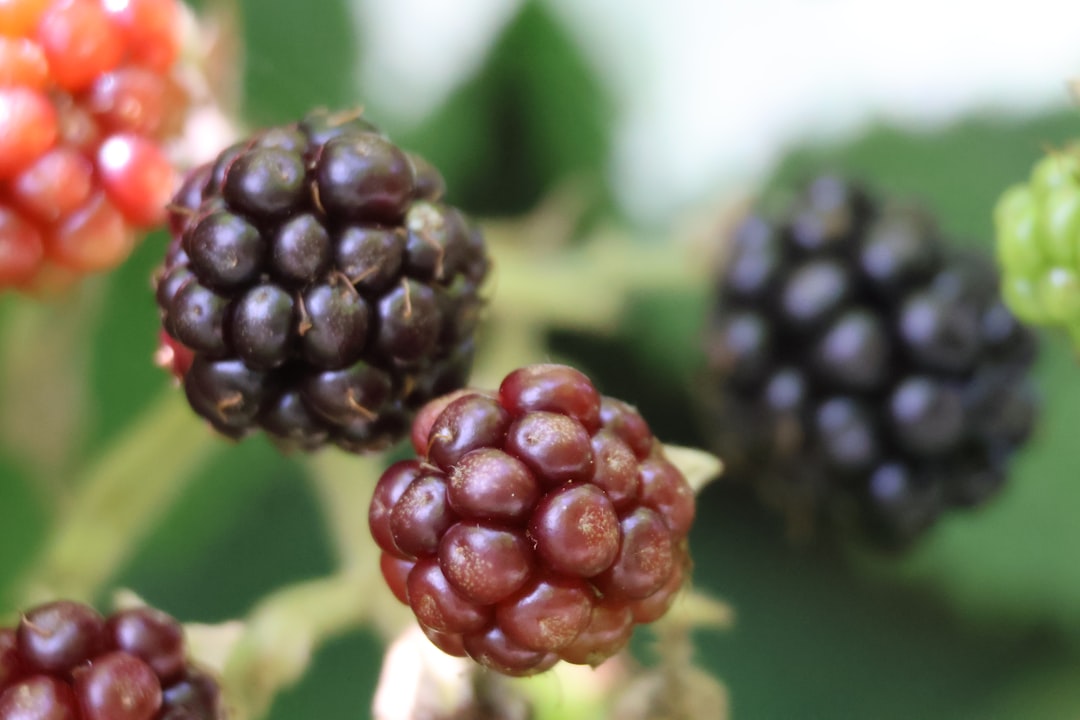
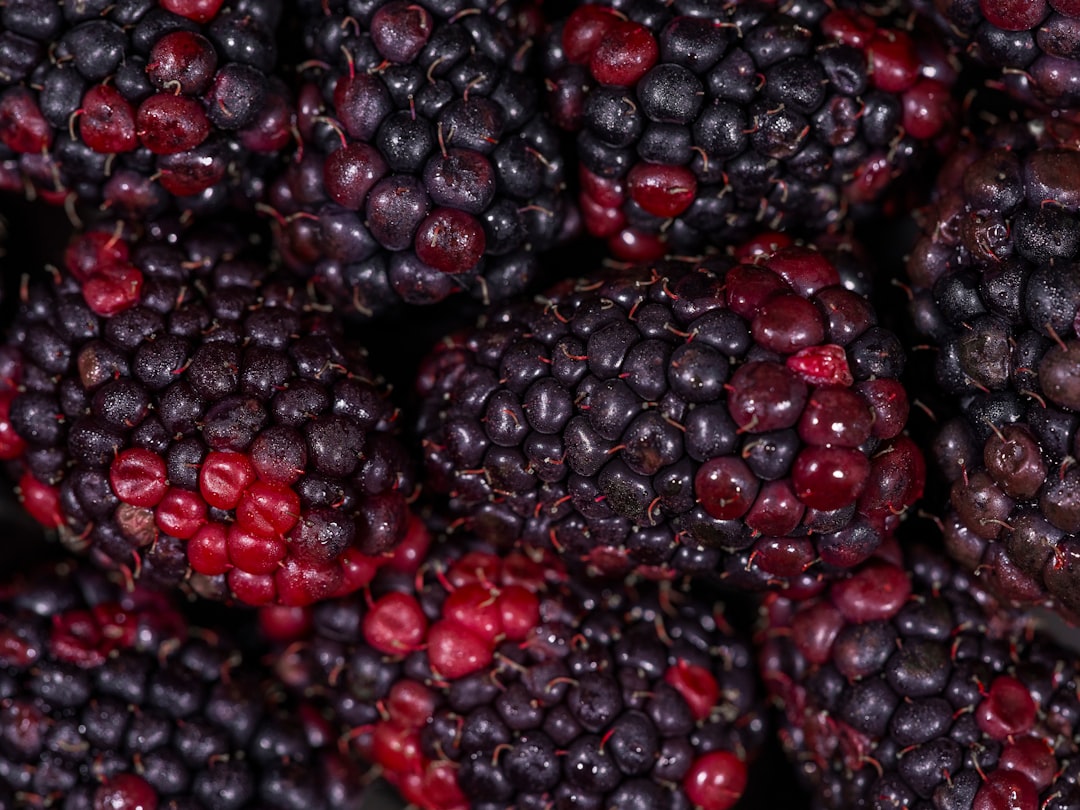
Photo: Andrey Larionov · Unsplash License
Where it comes from
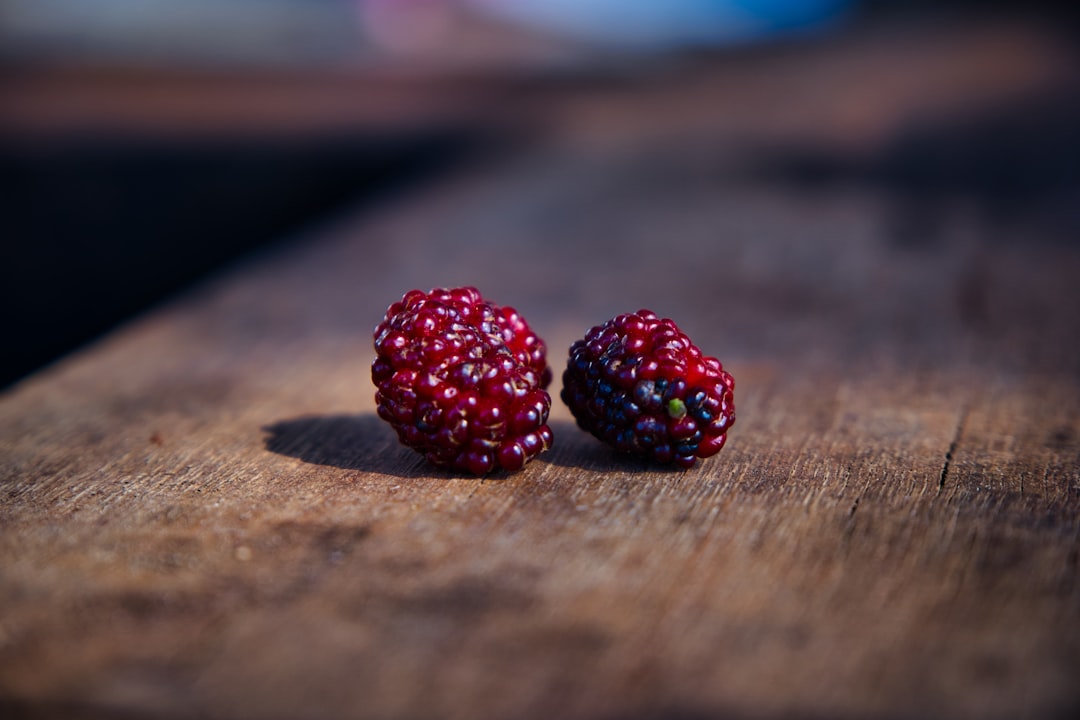
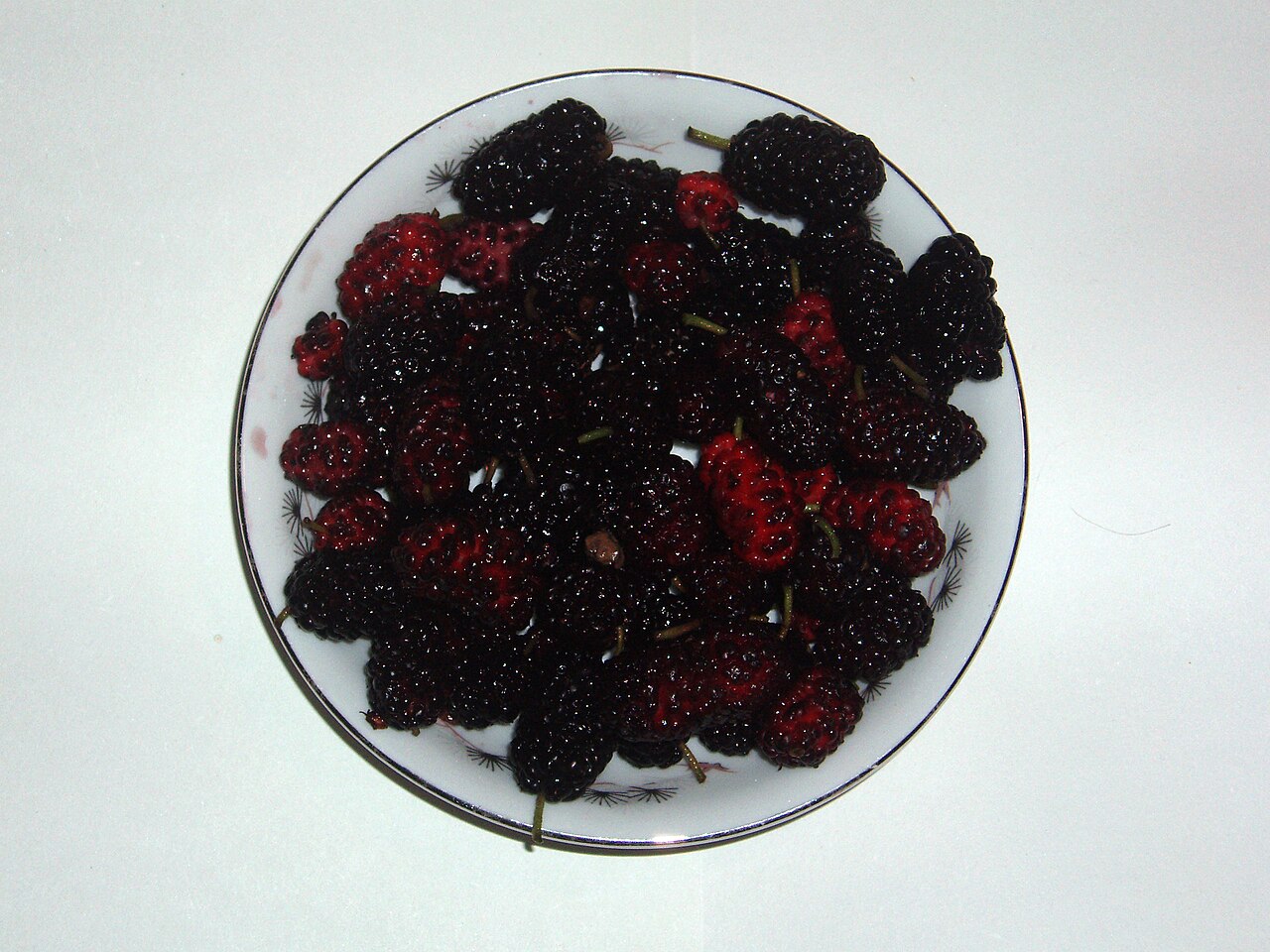
The boysenberry is a cross between the European raspberry, European blackberry, American dewberry, and loganberry.
Things worth knowing
- 01
The boysenberry is a fascinating hybrid, resulting from a cross between four different berry species.
- 02
It combines traits from the European raspberry, European blackberry, American dewberry, and loganberry.
- 03
This unique berry offers a substantial 5.30 grams of dietary fiber for every 100 grams consumed.
- 04
A 100-gram serving of boysenberries provides a notable 54.1 milligrams of vitamin C.
- 05
With 69 kcal per 100 grams, boysenberries offer a moderate energy contribution.
Health & nutrition
- Boysenberries are a source of dietary fiber, which may support digestive health.
- This berry is a good source of vitamin C, an antioxidant that may support immune function.
- The potassium content in boysenberries may help in maintaining healthy blood pressure levels.
- As a fruit, boysenberries provide beneficial plant compounds that are part of a healthy diet.
- The fiber in boysenberries can contribute to feelings of fullness, potentially aiding in weight management.
Informational only · not medical advice
Culinary uses
Boysenberries are prized for their sweet-tart flavor and are used in a variety of culinary applications. They are popular in pies, jams, jellies, and sauces, often enjoyed in regions where they are cultivated. Fresh boysenberries can also be added to fruit salads, smoothies, or used as a topping for desserts like ice cream and yogurt. Their unique flavor profile makes them a versatile ingredient in both sweet and savory dishes.