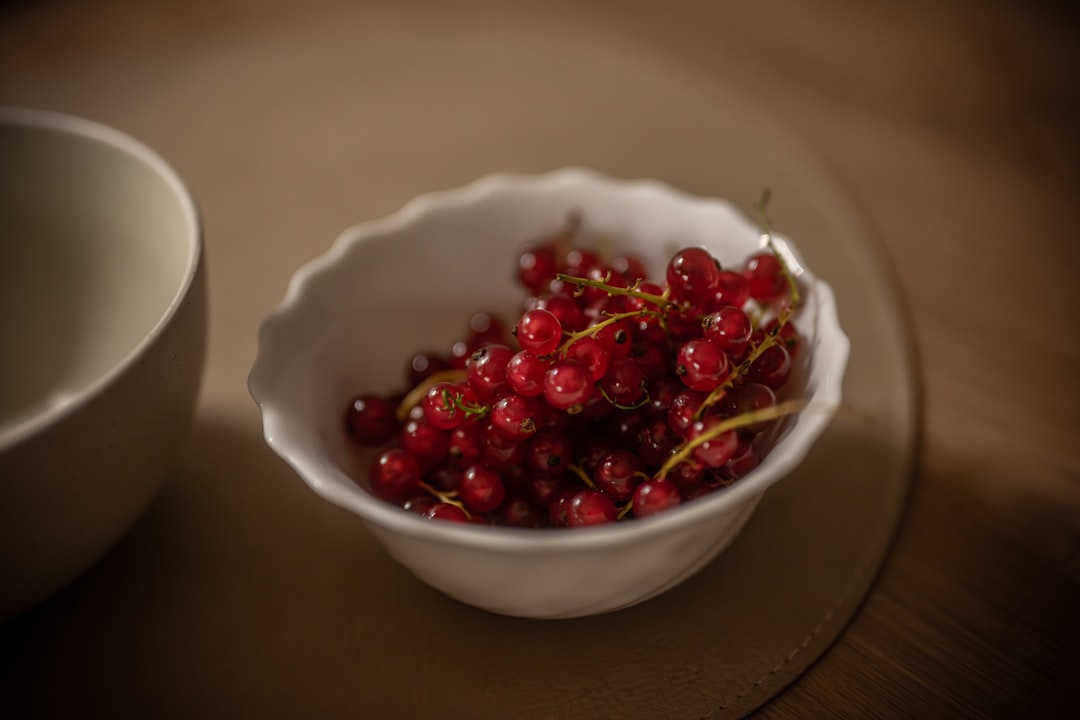
Red Currant
Ribes rubrum
- Energy
- —
- Native
- —
- Top Producer
- RUS
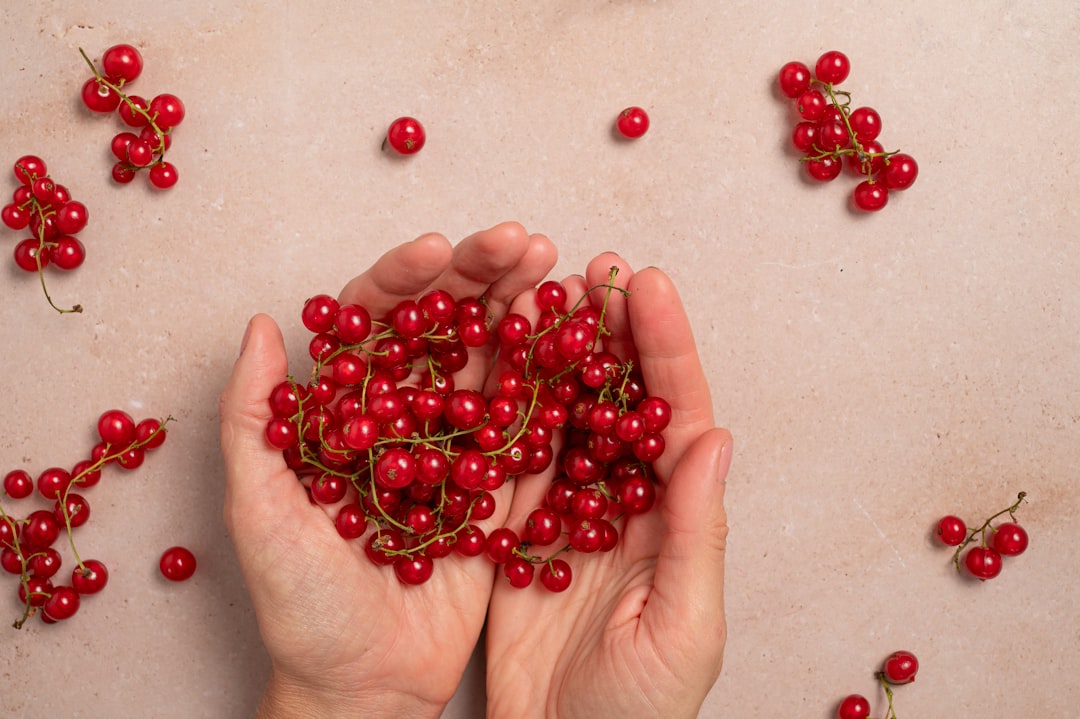
Photo: Kairi Kaljo · Unsplash License
Where it comes from
Red currant is a common name for several plants and may refer to:Ribes rubrum, a shrub native to western Europe and widely cultivated Ribes sanguineum, a shrub native to North America Searsia chirindensis, a tree native to southern Africa
Where it grows
Note · Counted under FAO Currants
Source: FAO STAT — Crops and Livestock Products, 2024
Things worth knowing
- 01
The red currant, scientifically known as Ribes rubrum, is a widely cultivated shrub native to western Europe.
- 02
While its exact native region is unknown, this berry is a popular fruit in many parts of the world.
- 03
Globally, red currants reached a production volume of 0.7 million tonnes according to recent records.
- 04
Russia (RUS) stands as the top producer of red currants in the world as of 2024.
- 05
The term 'red currant' can also refer to related shrubs native to North America and trees from southern Africa.
Health & nutrition
- Red currants are a good source of Vitamin C, which may support a healthy immune system.
- They provide potassium, an essential mineral that may help regulate blood pressure levels.
- The berries contain antioxidants that may help protect the body's cells from damage.
- Dietary fiber in red currants can contribute to digestive wellness.
- As a fruit, red currants are a source of natural sugars for energy.
Informational only · not medical advice
Culinary uses
Red currants are prized for their tart flavor, making them versatile in global cuisine. They are frequently used in jams, jellies, and sauces, often paired with richer meats like duck or game. In Europe, they are popular in desserts such as tarts, crumbles, and mousses, adding a vibrant color and sharp taste. Their juice can also be used to create refreshing beverages and marinades. In some regions, they are even enjoyed fresh as a palate cleanser between courses.