Cranberry
Vaccinium macrocarpon
- Energy
- 335kcal
- Native
- —
- Top Producer
- MEX
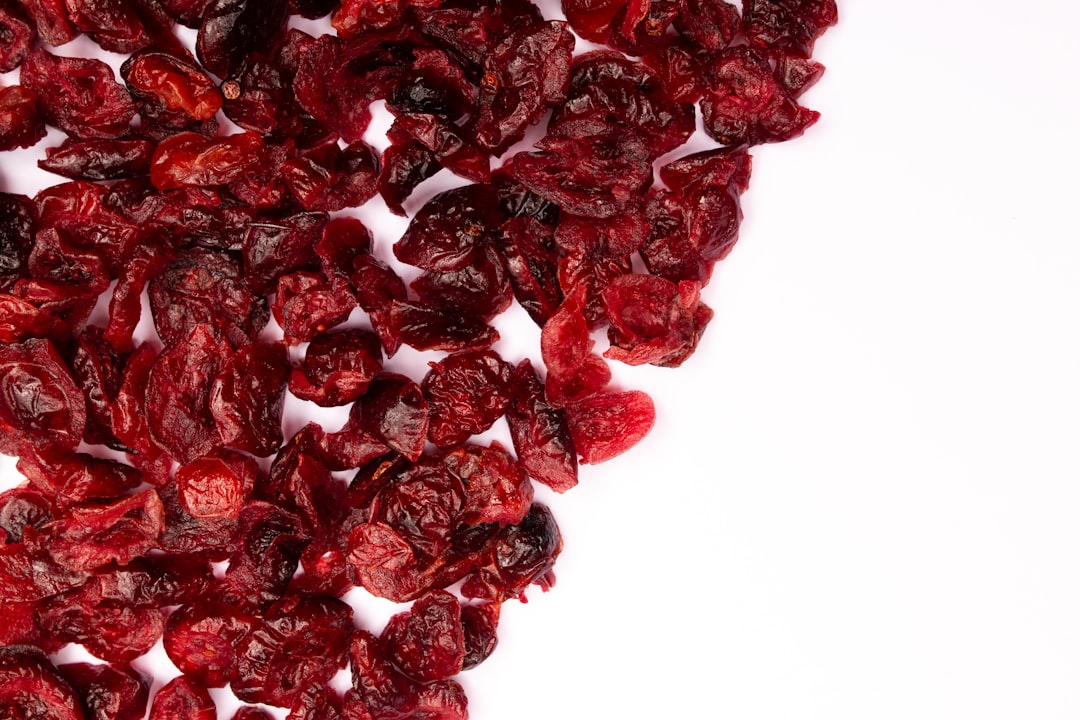
Photo: Tamanna Rumee · Unsplash License
Where it comes from
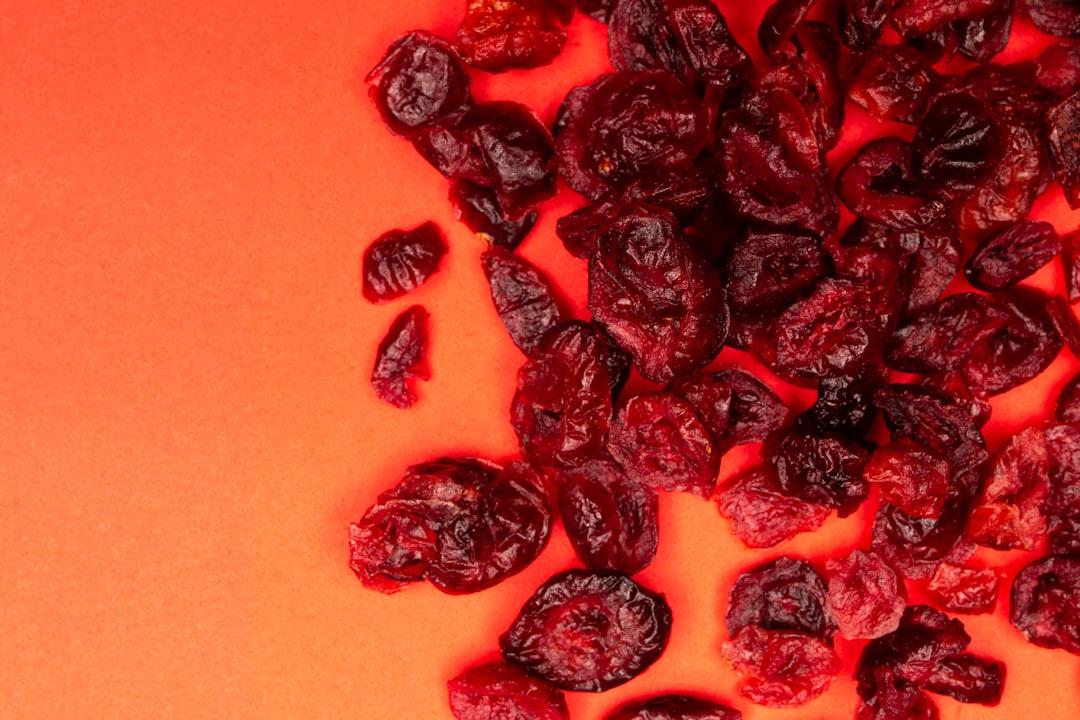
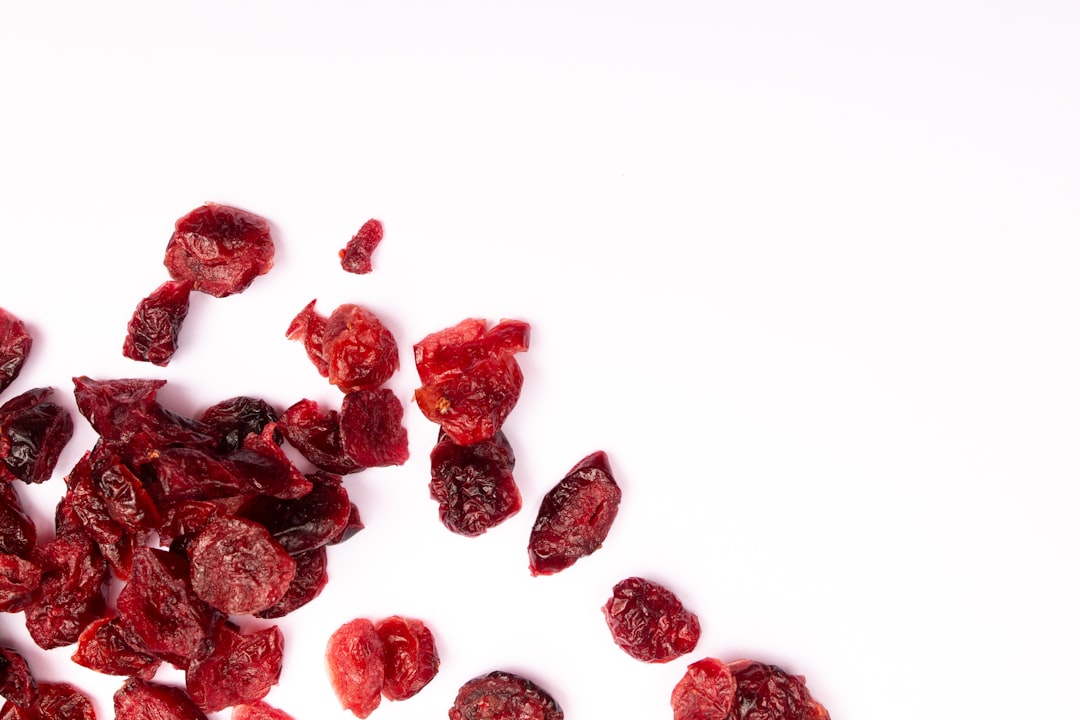
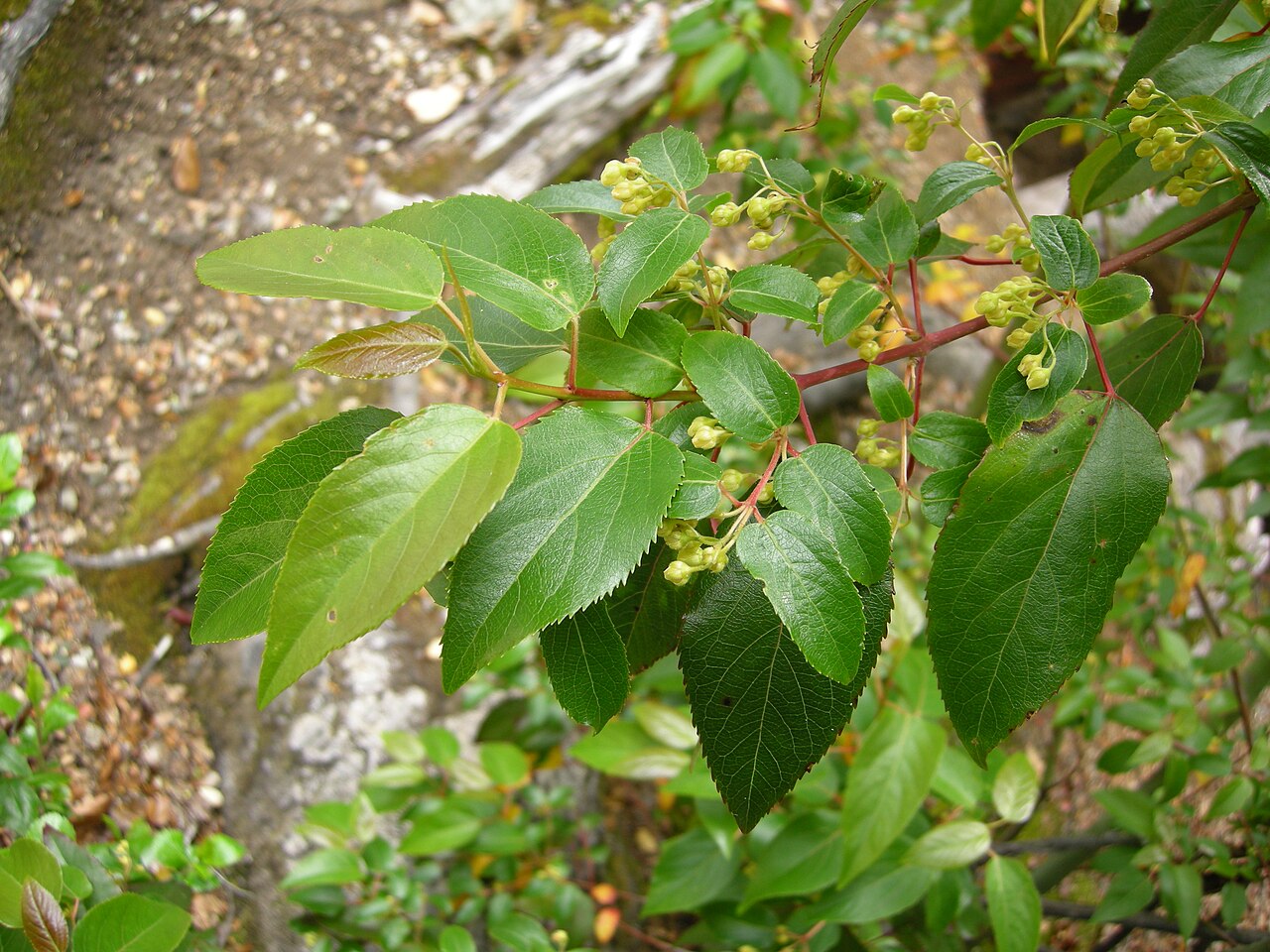
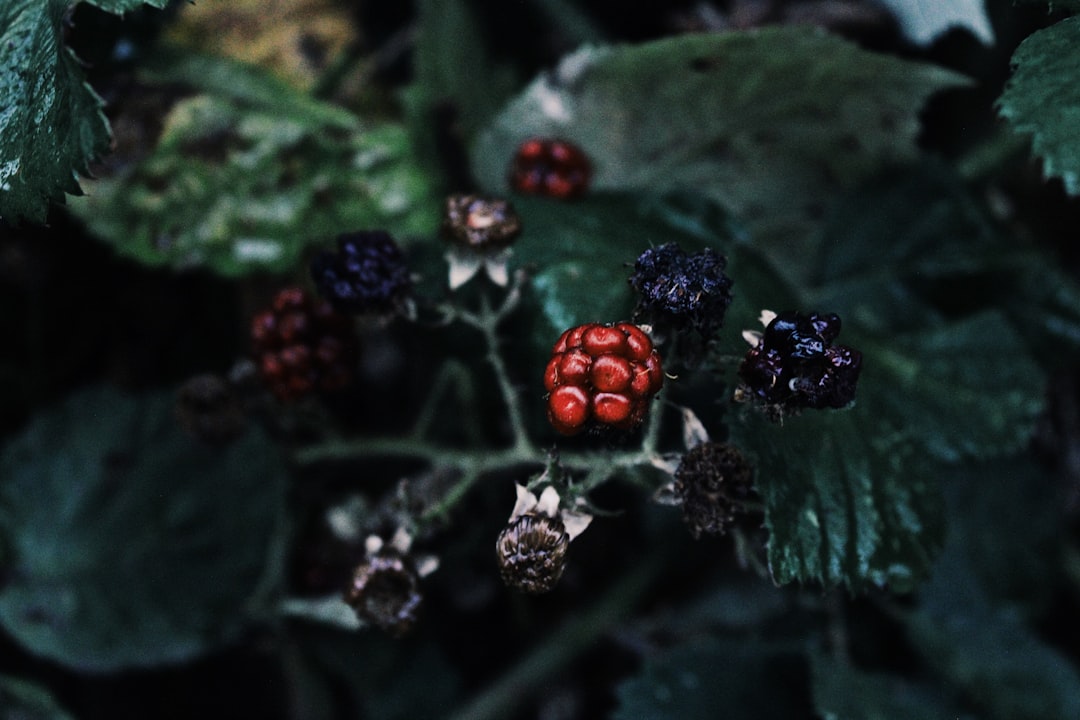
Cranberries are a group of evergreen dwarf shrubs or trailing vines in the subgenus Oxycoccus of the genus Vaccinium. Cranberries are low, creeping shrubs or vines up to 2 meters (7 ft) long and 5 to 20 centimeters in height; they have slender stems that are not thickly woody and have small evergreen leaves. The flowers are dark pink. The fruit is a berry that is larger than the leaves of the plant; it is initially light green, turning red when ripe. It is edible, but has an acidic taste.
Where it grows
Note · FAO 'Other Vaccinium'
Source: FAO STAT — Crops and Livestock Products, 2024
Things worth knowing
- 01
Cranberries belong to the Vaccinium genus, which also includes blueberries and other popular fruits.
- 02
These low-growing, creeping shrubs can extend up to 2 meters (7 ft) in length with small, evergreen leaves.
- 03
The small evergreen leaves of the cranberry plant are adapted to survive harsh winter conditions.
- 04
The delicate flowers of the cranberry plant are a distinctive dark pink color.
- 05
Cranberries are botanically classified as berries, a type of fleshy fruit produced from a single ovary.
Health & nutrition
- Cranberries are a good source of fiber, which may support digestive health.
- This fruit is a source of potassium, an important mineral for bodily functions.
- The fiber content in cranberries may contribute to a feeling of fullness.
- Potassium found in cranberries is essential for maintaining fluid balance.
- Including fiber-rich foods like cranberries in your diet is beneficial.
Informational only · not medical advice
Culinary uses
Cranberries are widely used in sauces, relishes, and juices, particularly during holiday seasons in North America. Their tart flavor also makes them a popular addition to baked goods like muffins and pies. In some regions, they are incorporated into savory dishes, offering a tangy contrast to rich meats.