Black Currant
Ribes nigrum
- Energy
- 54kcal
- Native
- —
- Top Producer
- RUS
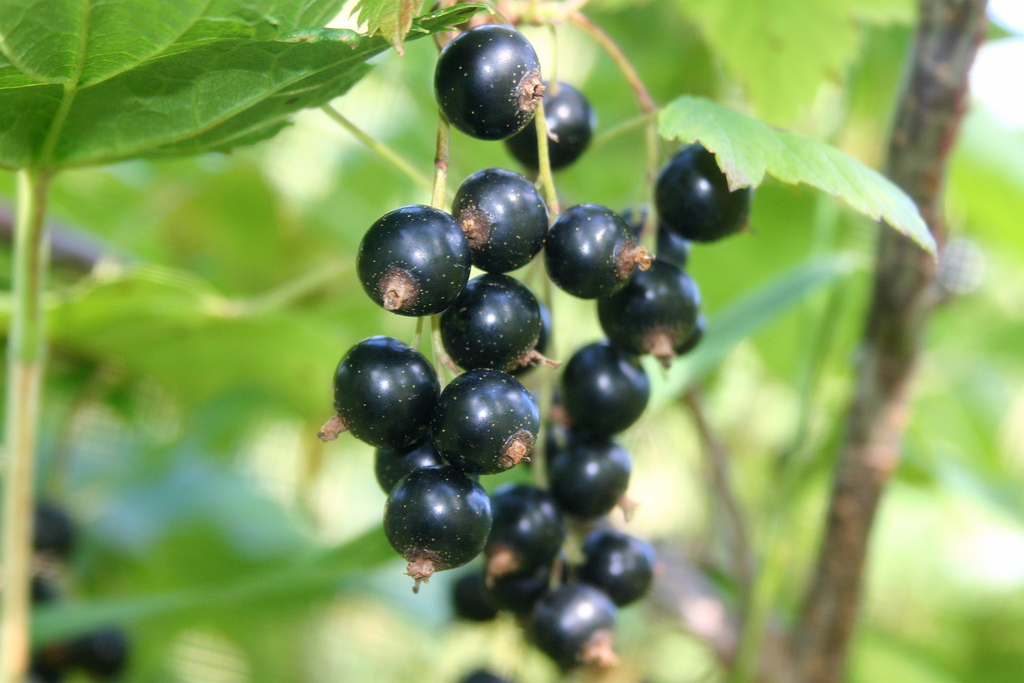
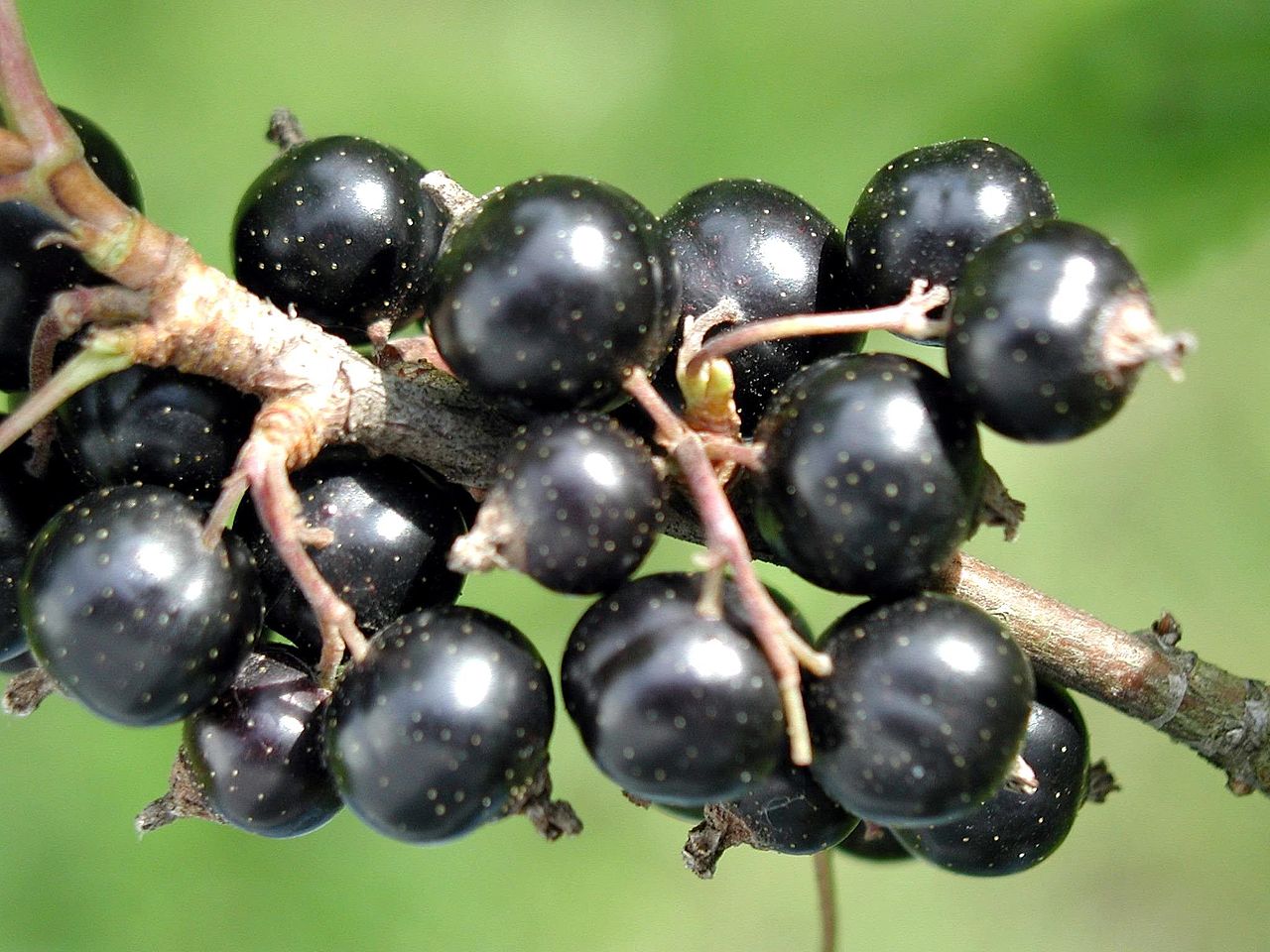
Photo: mako from Kangasala, Suomi (Finland) · CC BY 2.0
Where it comes from
The blackcurrant, black currant or cassis is a deciduous shrub in the family Grossulariaceae grown for its edible berries. It is native to temperate parts of central and northern Europe and northern Asia, where it prefers damp fertile soils. It is widely cultivated both commercially and domestically.
Where it grows
Source: FAO STAT — Crops and Livestock Products, 2024
Things worth knowing
- 01
The blackcurrant, also known as cassis, is a deciduous shrub that produces delicious edible berries.
- 02
This versatile berry is widely cultivated across the globe for both commercial and home use.
- 03
Blackcurrants thrive in damp, fertile soils and are found naturally in temperate regions of Europe and Asia.
- 04
This small but mighty berry is an exceptional source of Vitamin C, offering a significant amount per serving.
- 05
Globally, Russia is the leading producer of blackcurrants, contributing substantially to the world's annual harvest.
Health & nutrition
- Blackcurrants are a good source of dietary fiber, which may support digestive health.
- This fruit is an excellent source of Vitamin C, known for its antioxidant properties.
- The potassium content in blackcurrants may help in maintaining healthy blood pressure levels.
- Rich in antioxidants, blackcurrants are a source of compounds that can help protect cells.
- Consuming blackcurrants as part of a balanced diet is a way to obtain beneficial nutrients.
Informational only · not medical advice
Culinary uses
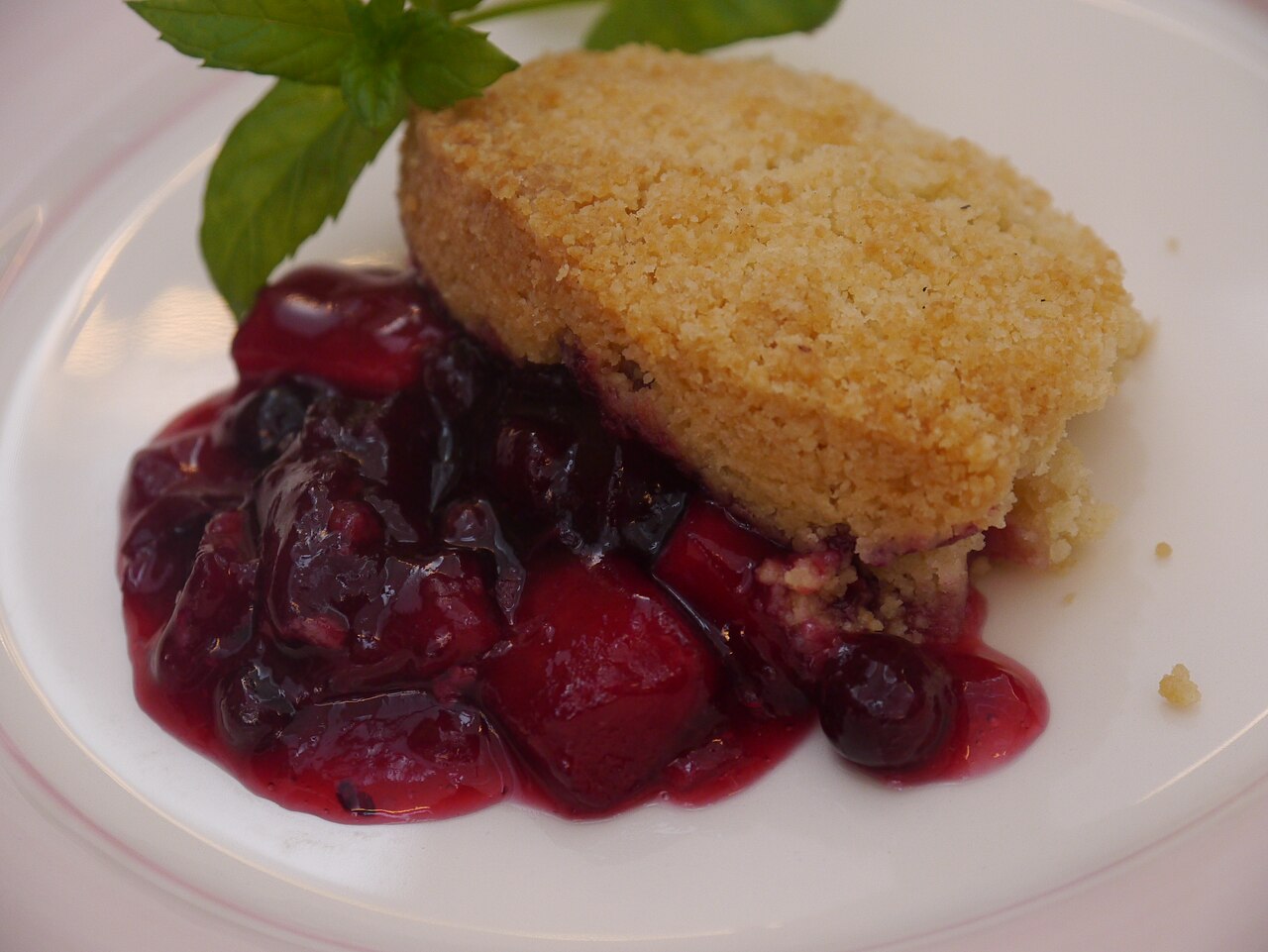
Blackcurrants are enjoyed worldwide in a variety of culinary applications. They are famously used to make the rich, dark cassis liqueur and are a popular choice for jams, jellies, and syrups. In baking, they lend a tart flavor to pies, tarts, and muffins. Blackcurrants can also be incorporated into sauces, smoothies, and desserts, adding a distinctive taste and vibrant color.