Amla
Phyllanthus emblica
- Energy
- 24kcal
- Native
- —
- Top Producer
- IND
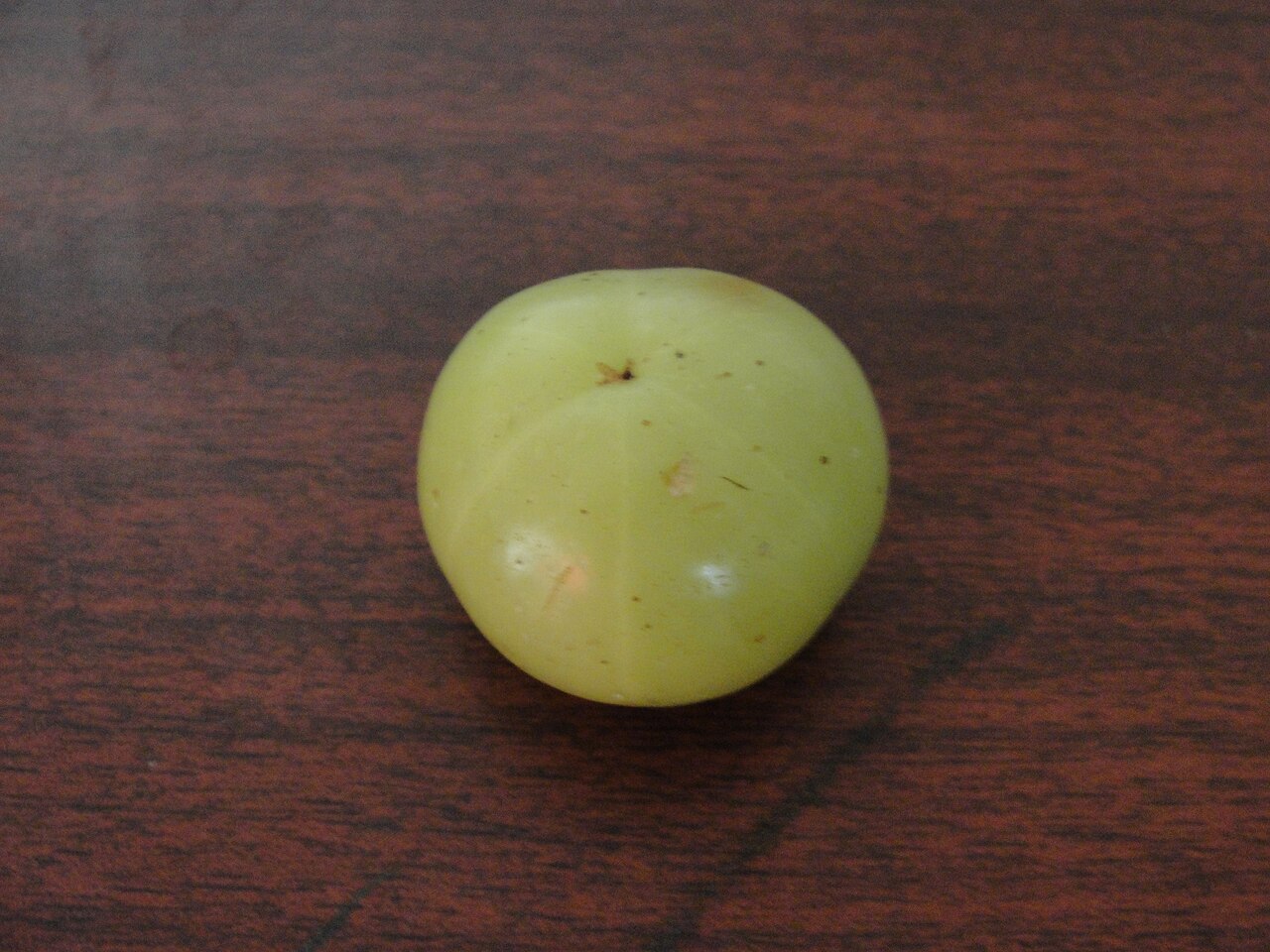
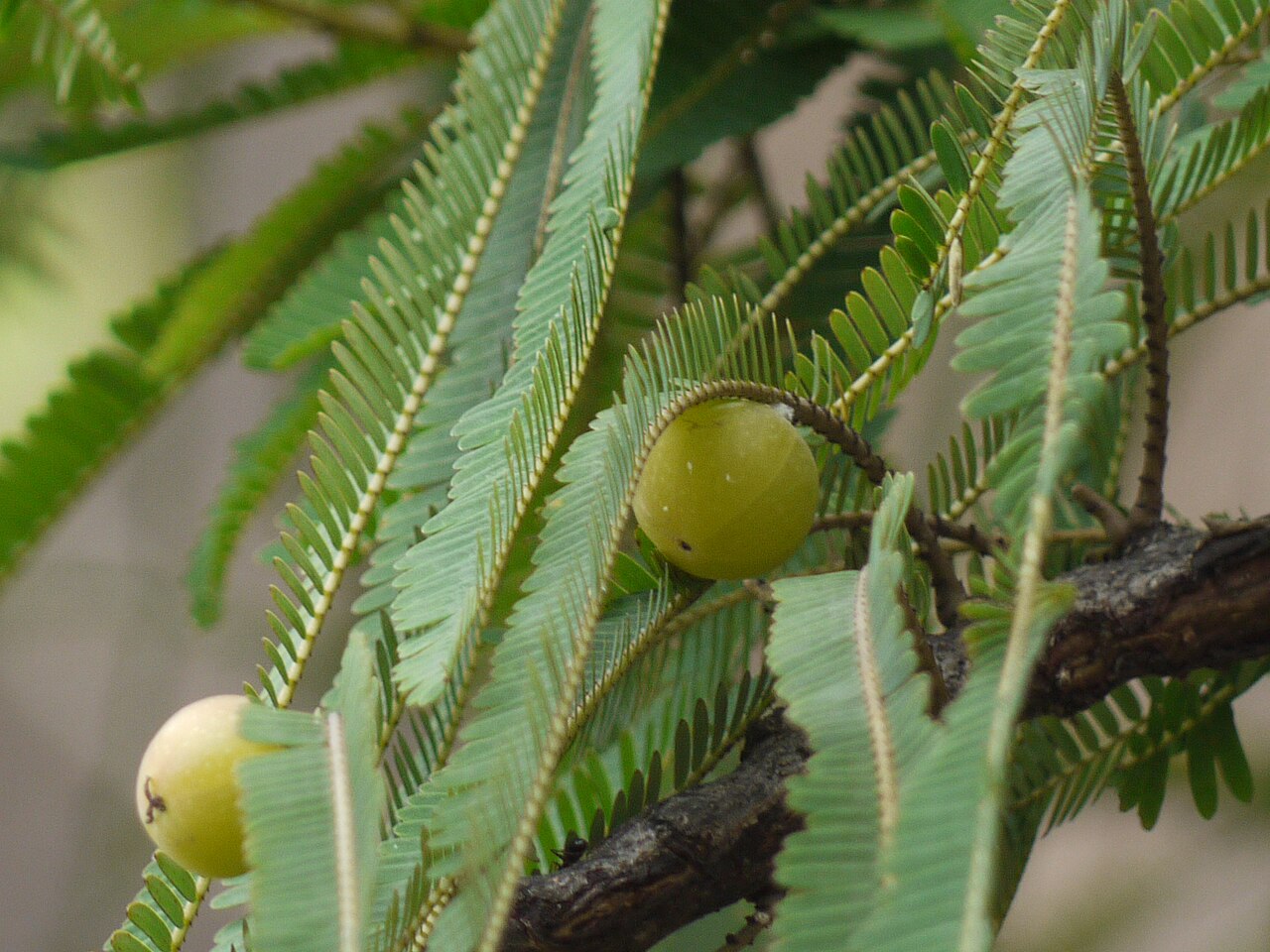
Photo: Thamizhpparithi Maari · CC BY-SA 3.0
Where it comes from
Phyllanthus emblica, also known as emblic, emblic myrobalan, myrobalan, nelikai, Indian gooseberry, Malacca tree, amloki or amla, is a deciduous tree of the family Phyllanthaceae. Its native range is tropical and southern Asia.
Where it grows
Note · Inside FAO 'Other fruits'
Source: FAO STAT — Crops and Livestock Products, 2024
Things worth knowing
- 01
The amla fruit, scientifically named Phyllanthus emblica, is a deciduous tree belonging to the Phyllanthaceae family.
- 02
While its exact native region is unknown, amla is widely recognized as a tropical and southern Asian native.
- 03
This exotic fruit is a nutritional powerhouse, offering a significant amount of Vitamin C per 100 grams.
- 04
Amla boasts a substantial fiber content, making it a beneficial addition to a balanced diet.
- 05
India is the top global producer of amla, contributing a vast quantity to the world's supply.
Health & nutrition
- Amla is a good source of Vitamin C, which may support immune function.
- The fiber content in amla may aid in digestive health.
- Potassium, found in amla, is important for maintaining healthy blood pressure levels.
- Antioxidants present in amla may help protect cells from damage.
- Consuming amla could contribute to overall well-being as part of a varied diet.
Informational only · not medical advice
Culinary uses
Amla is a staple in Indian cuisine, often preserved in pickles or chutneys, and consumed fresh for its tartness. Its distinct sour and astringent flavor also lends itself to beverages and candies in various parts of Asia. In some regions, it's dried and powdered for use in traditional dishes and medicinal preparations.