Persimmon
Diospyros kaki
- Energy
- 70kcal
- Native
- —
- Top Producer
- CHN
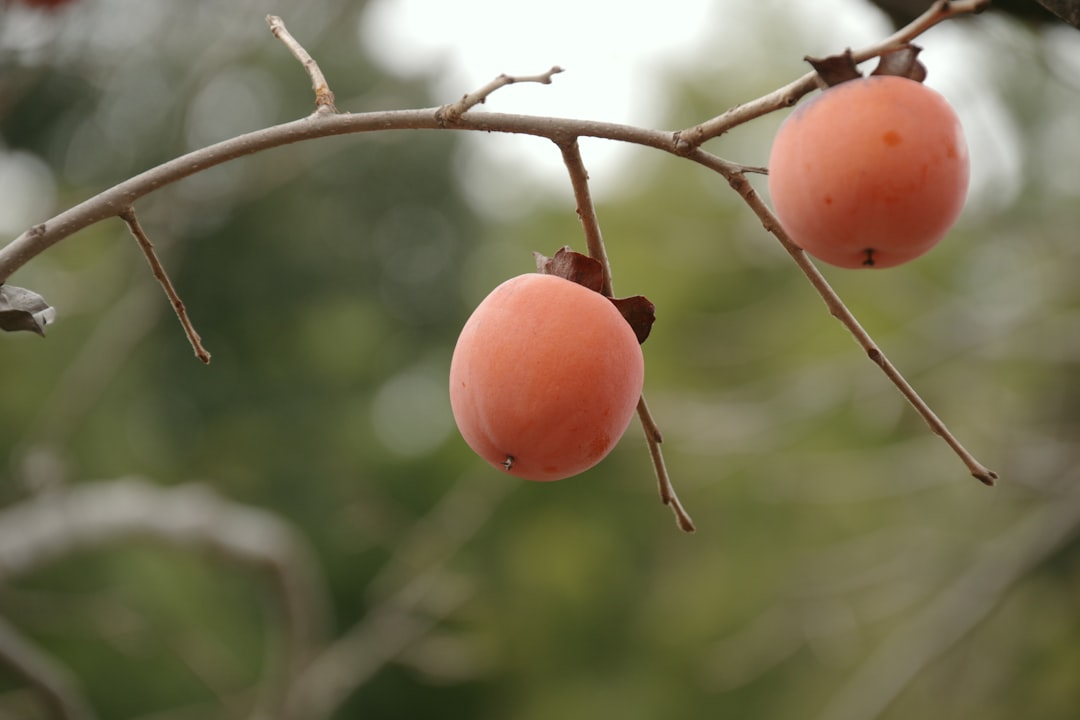
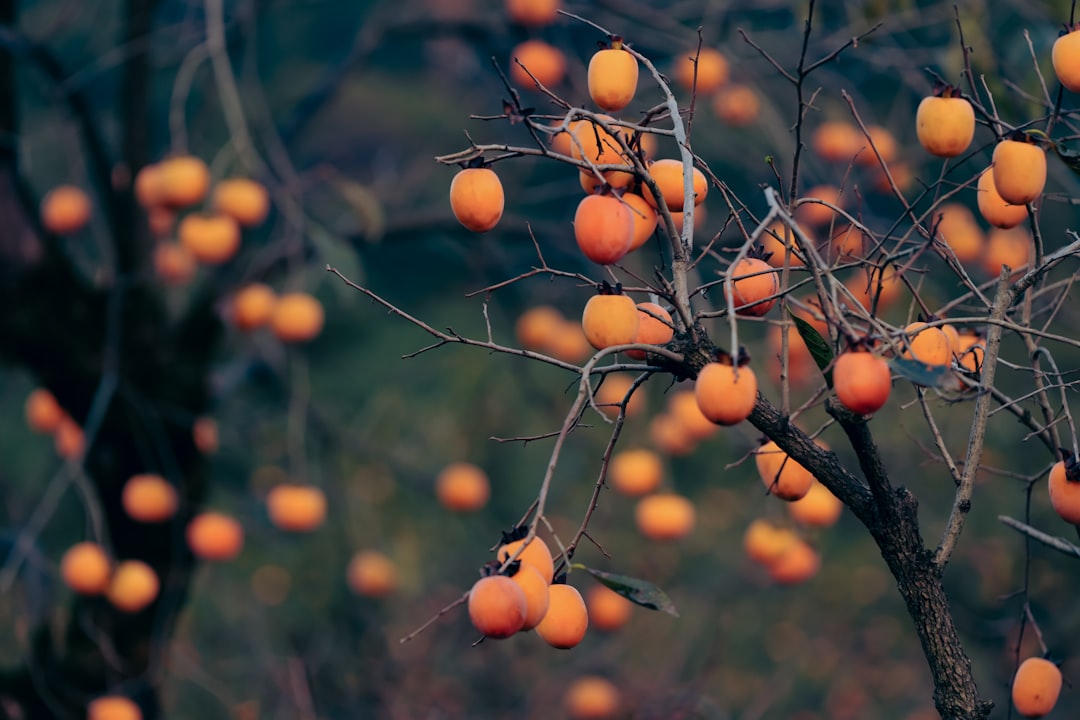
Photo: Takahiro NISHIZONO · Unsplash License
Where it comes from
The persimmon is the edible fruit of a number of species of trees in the genus Diospyros. The most widely cultivated of these is the Chinese, Korean, and Japanese kaki persimmon, Diospyros kaki. In 2023, China produced 80% of the world's persimmons.
Where it grows
Source: FAO STAT — Crops and Livestock Products, 2024
Things worth knowing
- 01
The persimmon, scientifically known as Diospyros kaki, is a popular fruit from the Ebenaceae family, often cultivated in East Asia.
- 02
While its exact native region remains unknown, China is currently the top global producer of persimmons, contributing significantly to world production.
- 03
In 2023 alone, China was responsible for an impressive 80% of the world's total persimmon output, highlighting its dominance.
- 04
This exotic fruit offers a sweet taste and is recognized for its nutritional content, including a good amount of dietary fiber.
- 05
Persimmons are a source of essential nutrients like Vitamin C and potassium, contributing to a balanced diet.
Health & nutrition
- Persimmons are a source of dietary fiber, which may support digestive health.
- They provide Vitamin C, an antioxidant that may help protect cells from damage.
- This fruit is a source of potassium, which is important for maintaining healthy blood pressure levels.
- The sugars in persimmons provide a natural energy source for the body.
- Consuming persimmons may contribute to overall well-being as part of a varied diet.
Informational only · not medical advice
Culinary uses
Persimmons are enjoyed worldwide in various culinary applications. In East Asia, particularly China, Korea, and Japan, they are commonly eaten fresh when ripe and soft, or dried into a chewy treat. Across the globe, persimmons can be incorporated into desserts like pies, puddings, and cakes, or added to salads and savory dishes for a touch of sweetness.