Cupuacu
Theobroma grandiflorum
- Energy
- 69kcal
- Native
- —
- Top Producer
- —
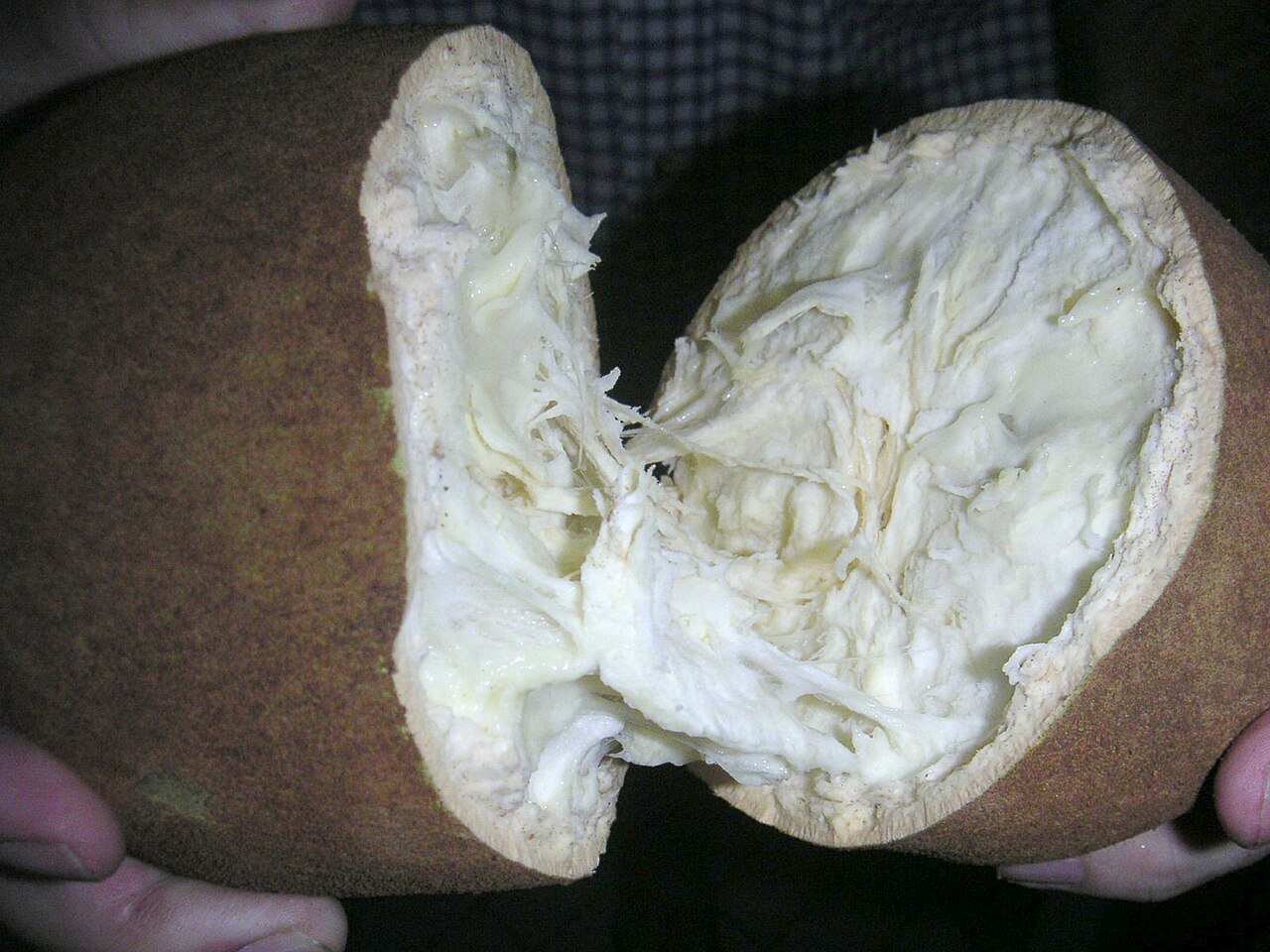
Photo: BjoernS · CC BY-SA 2.0 de
Where it comes from
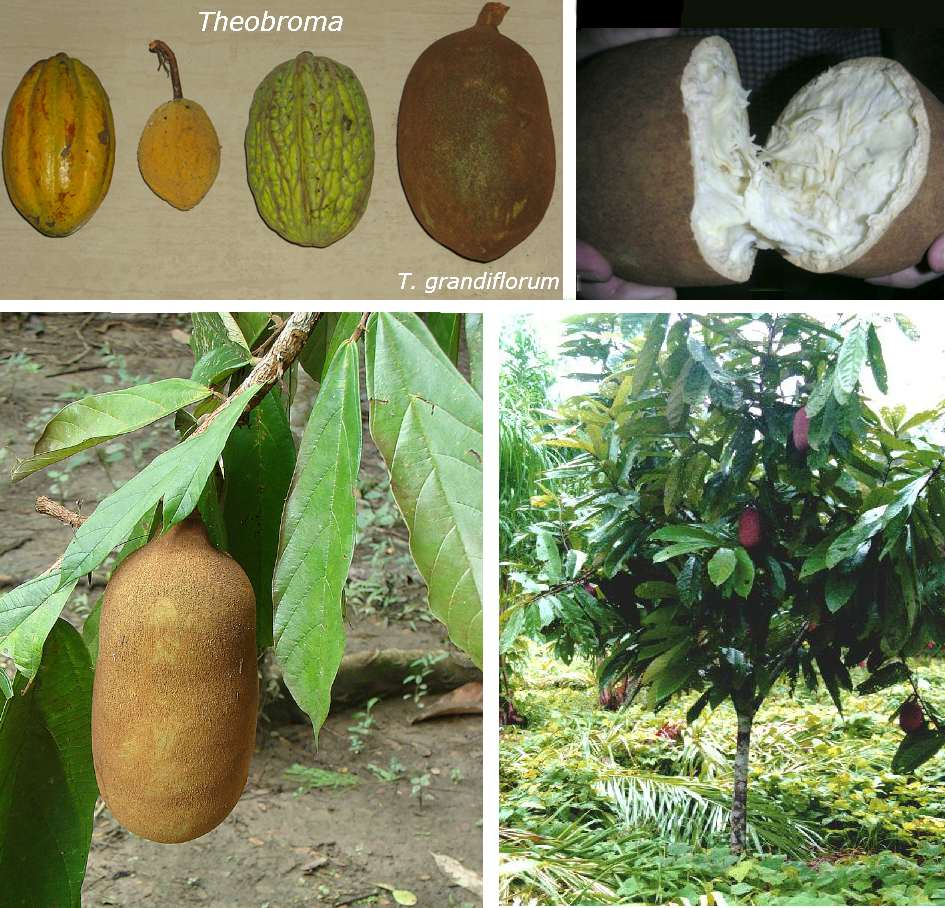
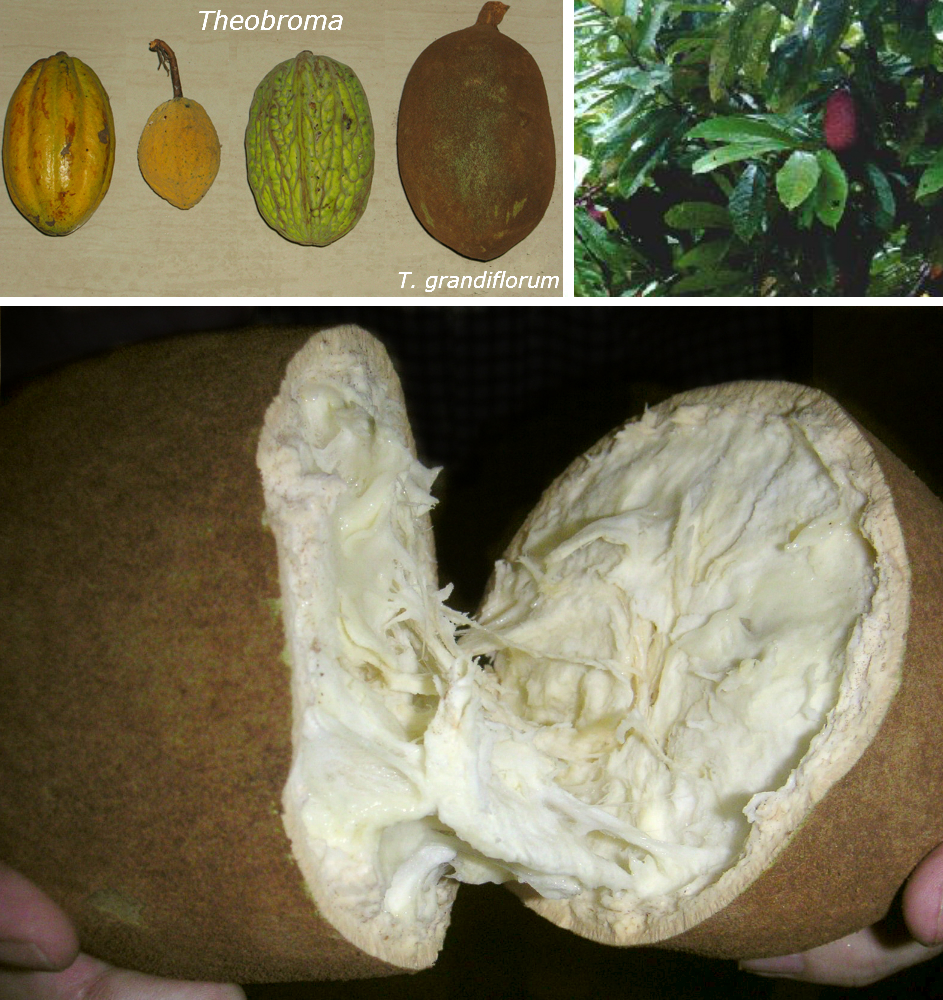
Theobroma grandiflorum, commonly known as cupuaçu, also spelled cupuassu, cupuazú, cupu assu, or copoazu, is a tropical rainforest tree related to cacao. Native and common throughout the Amazon basin, it is naturally cultivated in the jungles of northern Brazil, with the largest production in Pará, Amazonas and Amapá, Colombia, Bolivia and Peru. The pulp of the cupuaçu fruit is consumed throughout Central and South America, especially in the northern states of Brazil, and is used to make ice creams, snack bars, and other products.
Things worth knowing
- 01
Cupuaçu, scientifically known as Theobroma grandiflorum, is a fascinating relative of the cacao tree.
- 02
This tropical rainforest tree is native to and thrives within the vast Amazon basin.
- 03
Its name, cupuaçu, is recognized across several spellings, including cupuassu and copoazu.
- 04
While its exact native origin is unknown, it is cultivated in the jungles of northern Brazil.
- 05
Cupuaçu is considered an exotic fruit, adding a unique profile to global cuisine.
Health & nutrition
- Cupuaçu is a good source of dietary fiber, which may aid in digestive health.
- It provides a notable amount of Vitamin C, an important antioxidant for the body.
- This fruit contains potassium, a mineral that plays a role in maintaining fluid balance.
- The fruit offers a moderate calorie count, making it a sensible addition to a balanced diet.
- Its nutritional profile may contribute to overall well-being as part of a varied eating pattern.
Informational only · not medical advice
Culinary uses
Cupuaçu is a beloved fruit in its native Amazon region, frequently used in juices, ice creams, and desserts. Globally, its unique flavor, often described as a blend of chocolate and pineapple, is increasingly incorporated into gourmet creations. Chefs worldwide are exploring its potential in both sweet and savory dishes, adding an exotic touch.
Specimen photographs