Bael
Aegle marmelos
- Energy
- 136kcal
- Native
- —
- Top Producer
- —
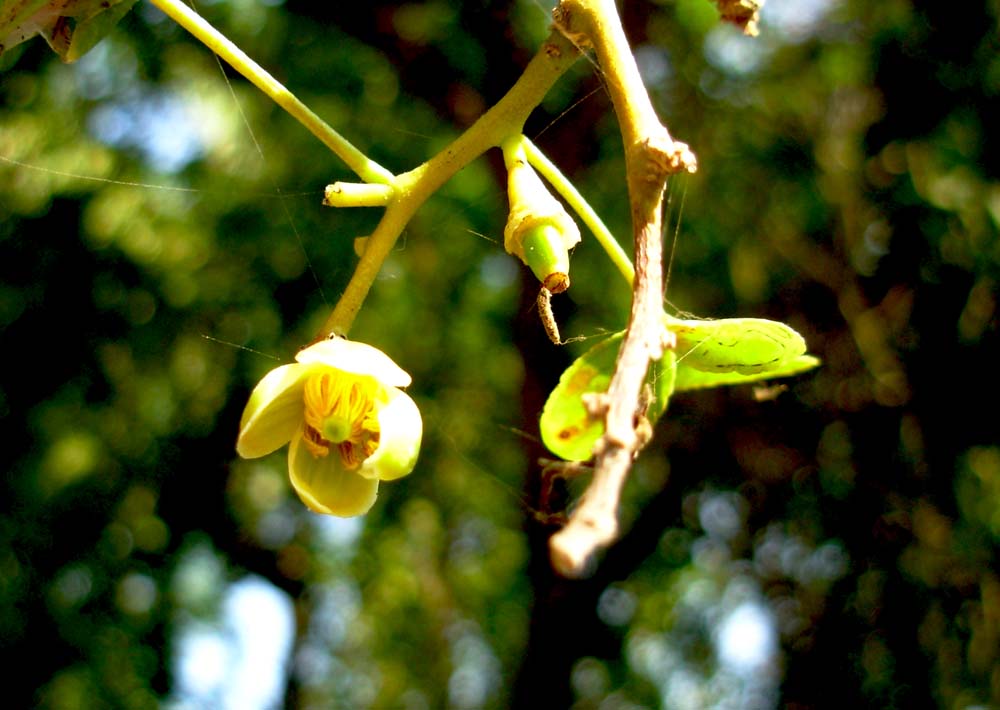
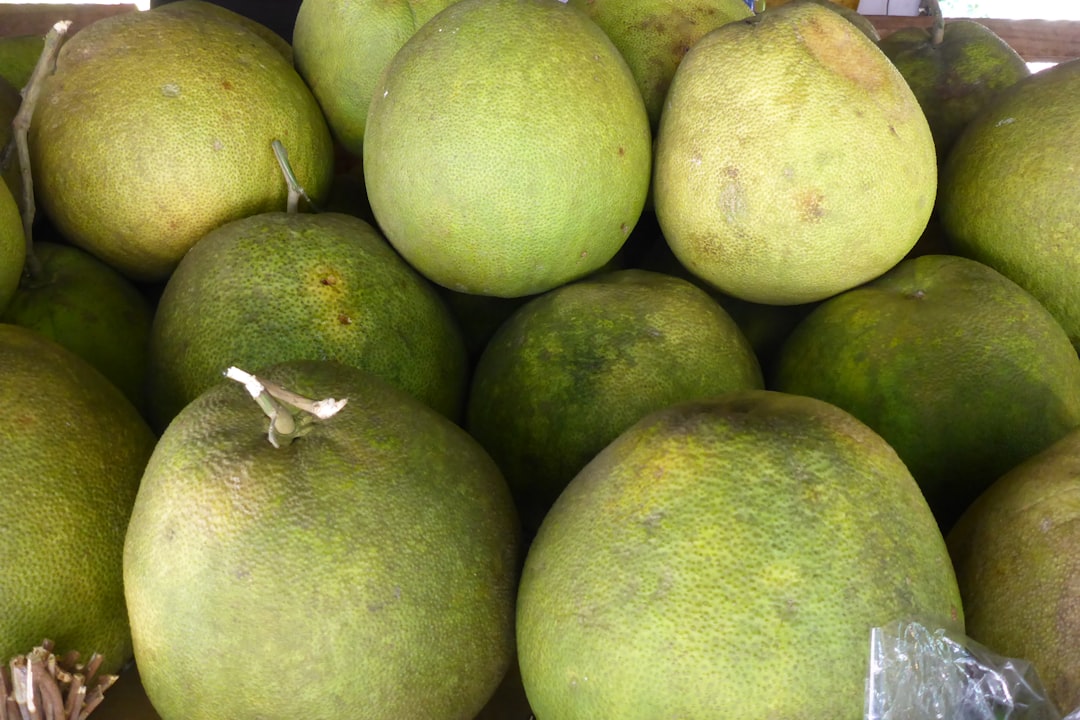
Photo: Arayilpdas at Malayalam Wikipedia · CC BY 2.5
Where it comes from
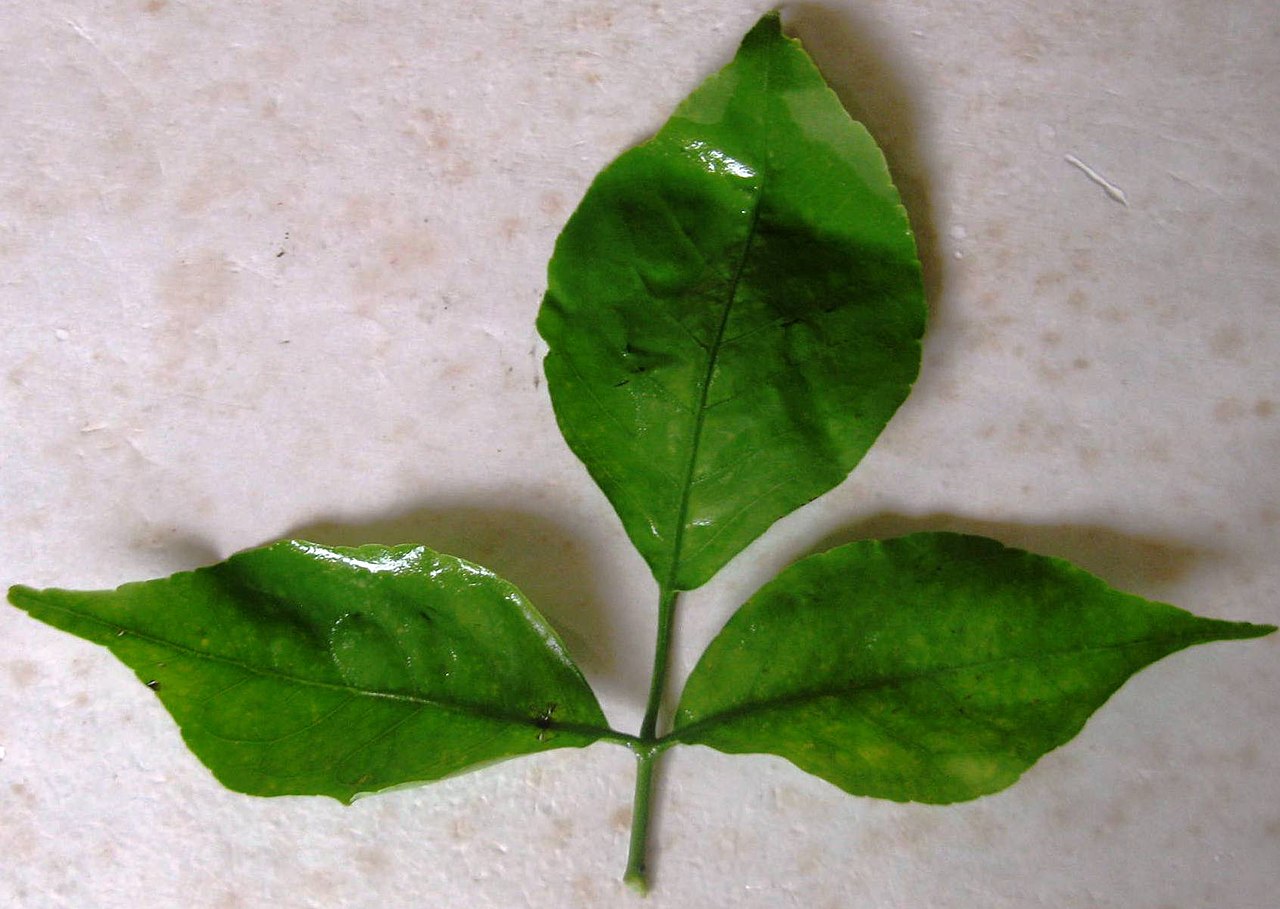
Aegle marmelos, commonly known as bael, also Bengal quince, golden apple, Japanese bitter orange, stone apple or wood apple, is a species of tree native to the Indian subcontinent and Southeast Asia. It is present in India, Pakistan, Bangladesh, Sri Lanka, and Nepal as a naturalized species. The tree is considered to be sacred by Hindus and Buddhists. Bael is the only member of the monotypic genus Aegle.
Things worth knowing
- 01
Bael, scientifically known as Aegle marmelos, is also charmingly called Bengal quince or golden apple.
- 02
This exotic fruit, belonging to the Rutaceae family, is a naturalized species across several South Asian countries.
- 03
The bael tree holds significant cultural and religious importance, revered by both Hindus and Buddhists.
- 04
With 136 kcal per 100g, bael offers a moderate energy contribution from its sweet flesh.
- 05
It is sometimes referred to as stone apple or wood apple, hinting at its hard rind.
Health & nutrition
- Bael is a good source of dietary fiber, which may support digestive health.
- It contains Vitamin C, an antioxidant that may contribute to immune system function.
- The fruit provides potassium, a mineral that is important for maintaining fluid balance.
- Its nutritional profile suggests it may offer various beneficial plant compounds.
- Bael can be part of a balanced diet, contributing essential nutrients.
Informational only · not medical advice
Culinary uses
Bael is enjoyed in various forms across its native regions and beyond. It is often processed into refreshing beverages like juices, smoothies, and traditional sherbets, especially when ripe. In some areas, the pulp is used to make jams, jellies, or candies. Unripe bael fruit can also be cooked in savory dishes or curries.