White Sapote
Casimiroa edulis
- Energy
- 35kcal
- Native
- —
- Top Producer
- —
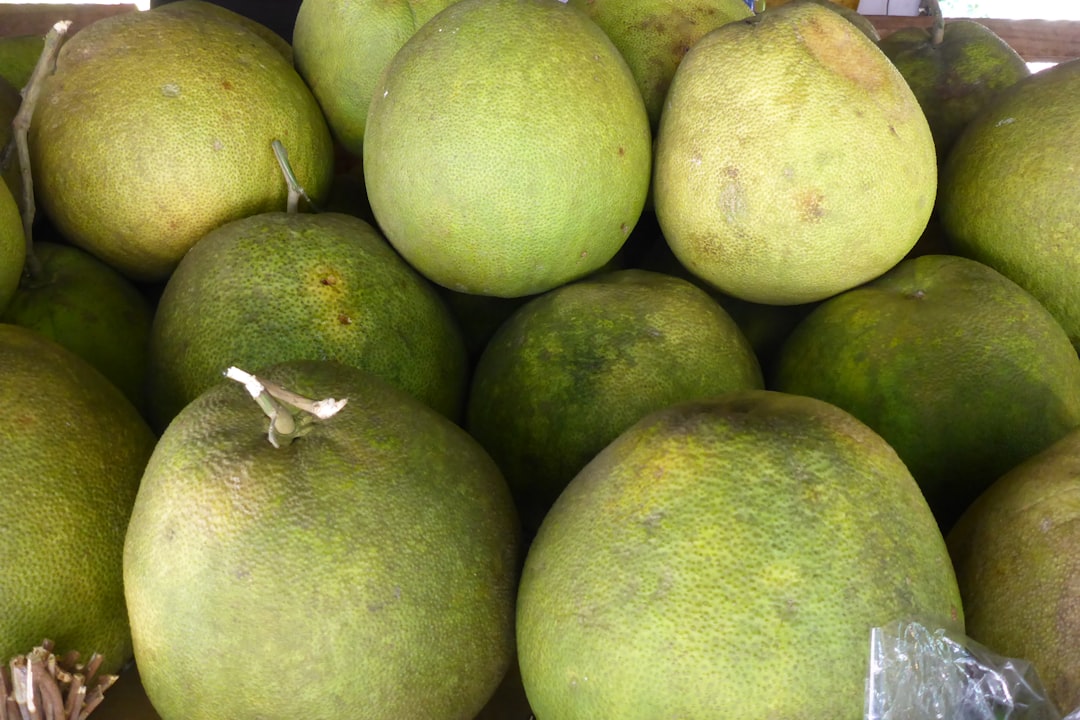
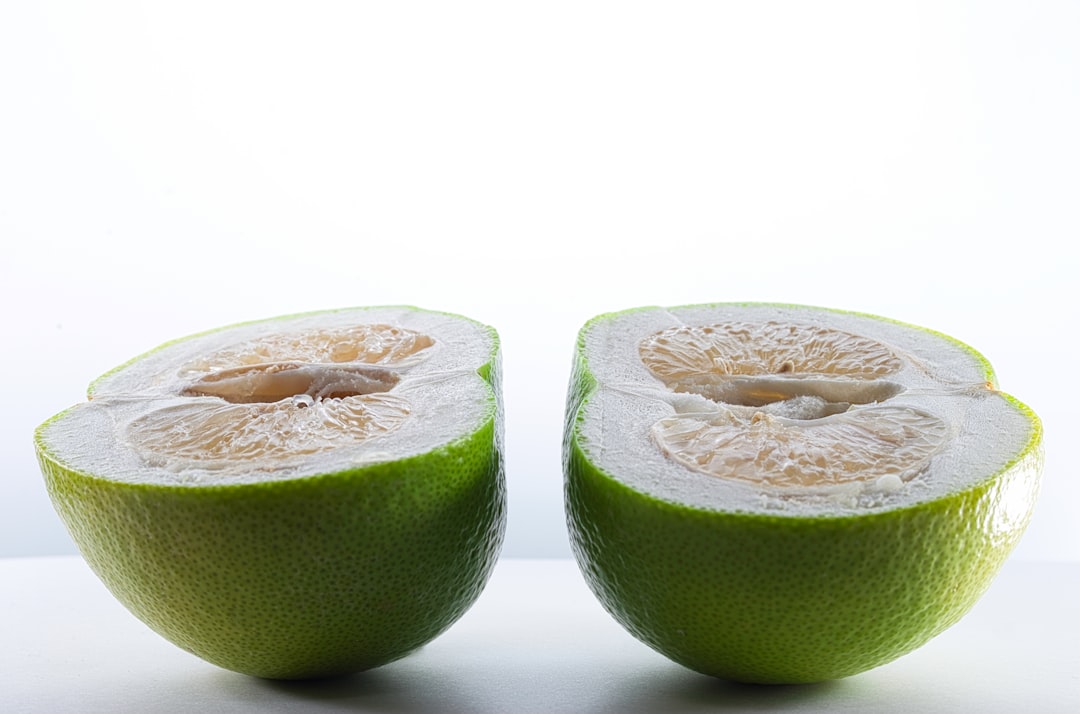
Photo: Alexey Evgen'evich · Unsplash License
Where it comes from
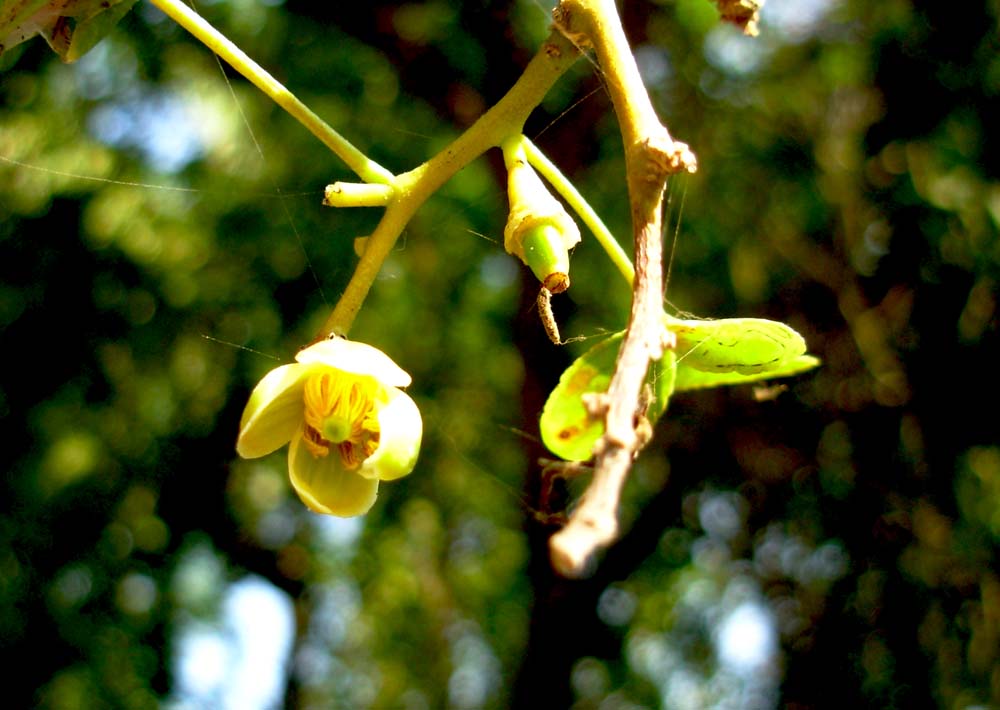
The white sapote, scientific name Casimiroa edulis, also called casimiroa and Mexican apple, and known as cochitzapotl in the Nahuatl language is a species of tropical fruiting tree in the family Rutaceae, native to eastern Mexico and Central America south to Costa Rica. The genus is named for "an Otomi Indian, Casimiro Gómez, from the town of Cardonal in Hidalgo, Mexico, who fought and died in Mexico's war of independence."
Things worth knowing
- 01
White sapote, scientifically known as Casimiroa edulis, is also referred to as Mexican apple by some.
- 02
This tropical fruiting tree belongs to the Rutaceae family, which also includes citrus fruits.
- 03
Its Nahuatl name, cochitzapotl, offers a glimpse into its historical significance in its native regions.
- 04
The genus Casimiroa honors Casimiro Gómez, an Otomi Indian from the town of Cardonal.
- 05
While its exact native region is unknown, it is found from eastern Mexico down to Costa Rica.
Health & nutrition
- White sapote is a source of dietary fiber, which may support digestive health.
- It contains potassium, a mineral that is essential for maintaining healthy blood pressure levels.
- This fruit provides a modest amount of calories, offering energy for daily activities.
- The fiber content may also contribute to feelings of fullness, potentially aiding in appetite control.
- As part of a balanced diet, white sapote can contribute to overall nutrient intake.
Informational only · not medical advice
Culinary uses
White sapote is enjoyed fresh, often eaten out of hand when ripe. Its creamy texture and sweet flavor make it a delightful dessert fruit. In its native regions, it can be used in smoothies, ice creams, or pastries. The fruit's versatility allows for both simple consumption and more elaborate culinary preparations.