Banana
Musa x paradisiaca
- Energy
- 85kcal
- Native
- —
- Top Producer
- IND
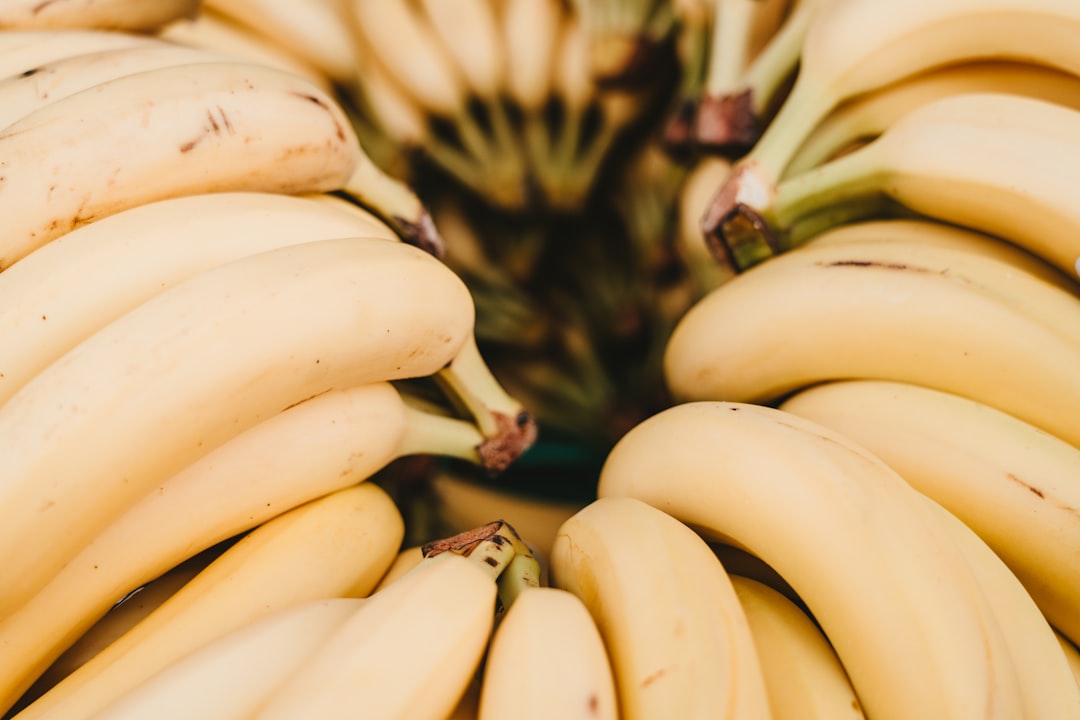
Photo: Claudio Schwarz · Unsplash License
Where it comes from
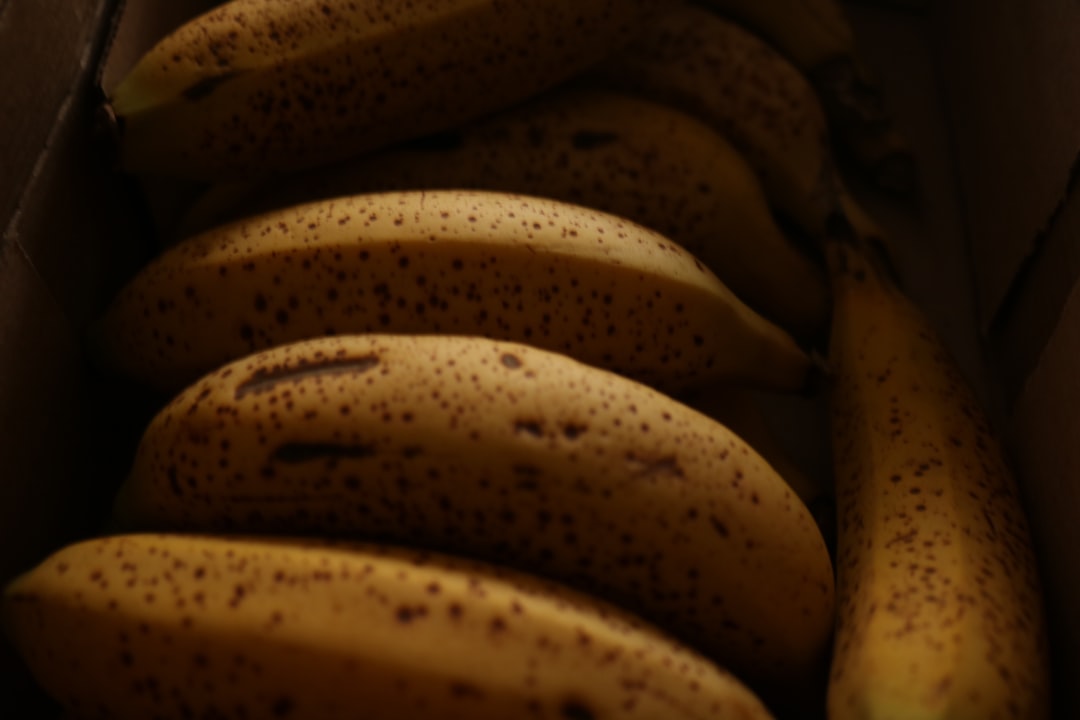
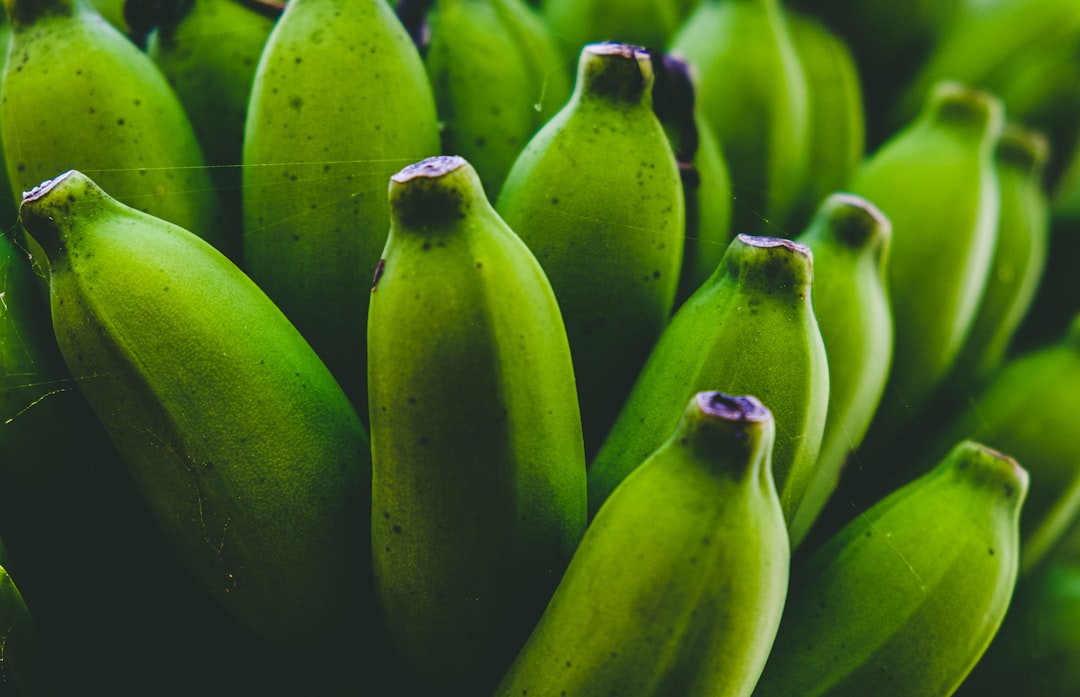
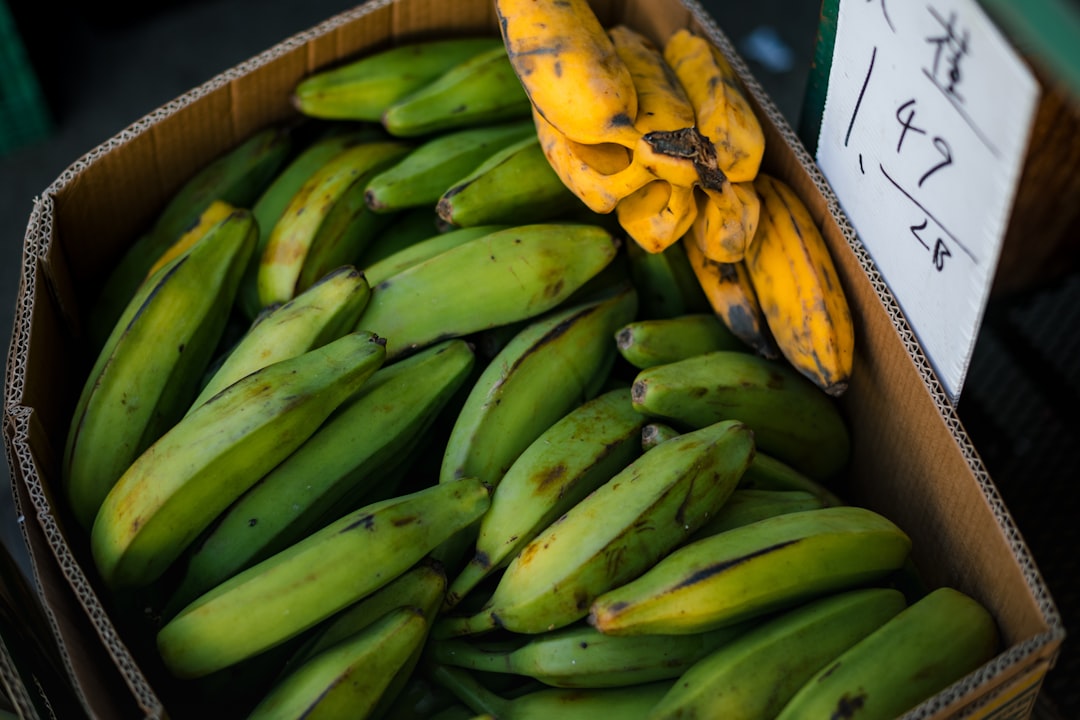
A banana is an elongated, edible fruit—botanically a berry—produced by several kinds of large treelike herbaceous flowering plants in the genus Musa. In some countries, cooking bananas are called plantains, distinguishing them from dessert bananas. The fruit is variable in size, color and firmness, but is usually elongated and curved, with soft flesh rich in starch covered with a peel, which may have a variety of colors when ripe. It grows upward in clusters near the top of the plant. Almost all modern edible seedless (parthenocarp) cultivated bananas come from two wild species – Musa acuminata and Musa balbisiana, or their hybrids.
Where it grows
Source: FAO STAT — Crops and Livestock Products, 2024
Things worth knowing
- 01
The banana, scientifically known as Musa x paradisiaca, belongs to the Musaceae family, though its native region remains unknown.
- 02
Botanically, a banana is classified as an elongated, edible fruit that is technically a berry, growing on large treelike herbaceous plants.
- 03
India is recognized as the top producer of bananas, contributing to a substantial world production of 139.3 million tonnes annually.
- 04
In some countries, cooking bananas are distinctly referred to as plantains, setting them apart from the more commonly consumed dessert bananas.
- 05
The fruit itself is quite variable in its size, color, and firmness, typically appearing elongated and curved with a soft, starchy flesh.
Health & nutrition
- A 100g serving of banana provides approximately 85 kcal, making it a moderate source of energy.
- Bananas are a source of dietary fiber, offering about 1.70g per 100g, which may support digestive health.
- This tropical fruit provides 9.7mg of Vitamin C per 100g, which may contribute to overall wellness.
- With 329mg of Potassium per 100g, bananas are a good source of this essential mineral.
- Consuming bananas can contribute to your daily intake of important nutrients like potassium and vitamin C.
Informational only · not medical advice
Culinary uses
Bananas are widely consumed globally, often enjoyed fresh as a dessert fruit. In many regions, cooking bananas, known as plantains, are a staple and are prepared in various savory dishes. The fruit's soft, starch-rich flesh makes it versatile for baking, frying, or incorporating into smoothies and other beverages. Its distinct flavor and texture lend themselves to both sweet and savory culinary applications.