Avocado
Persea americana
- Energy
- 144kcal
- Native
- —
- Top Producer
- MEX
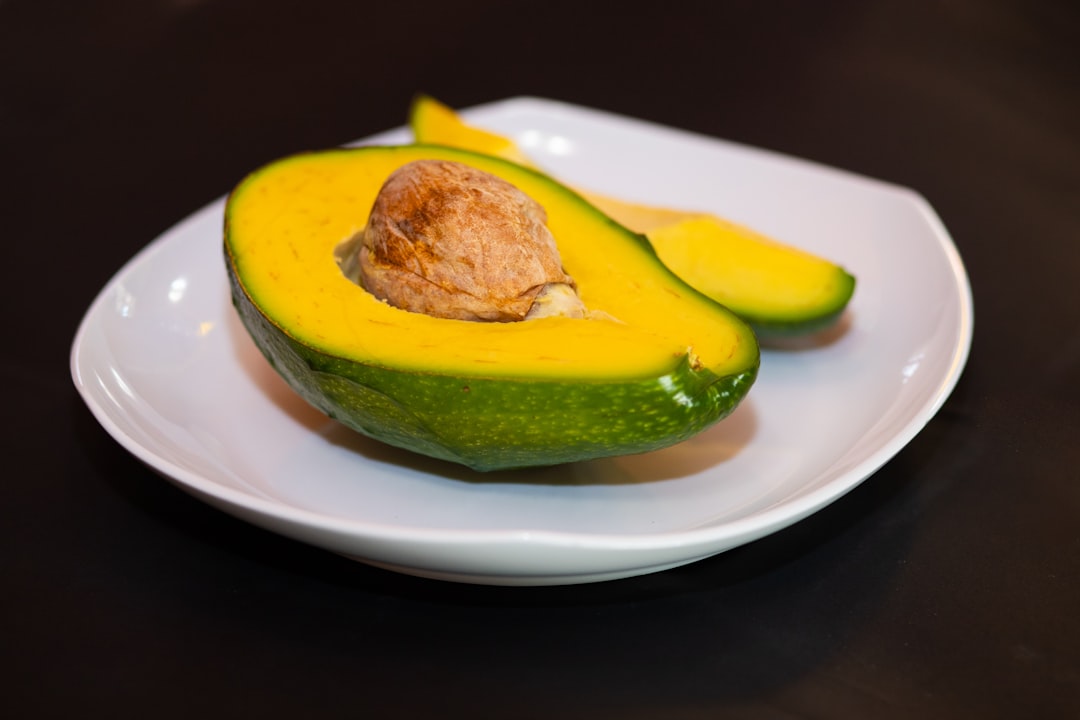
Photo: Stephen Bedase · Unsplash License
Where it comes from
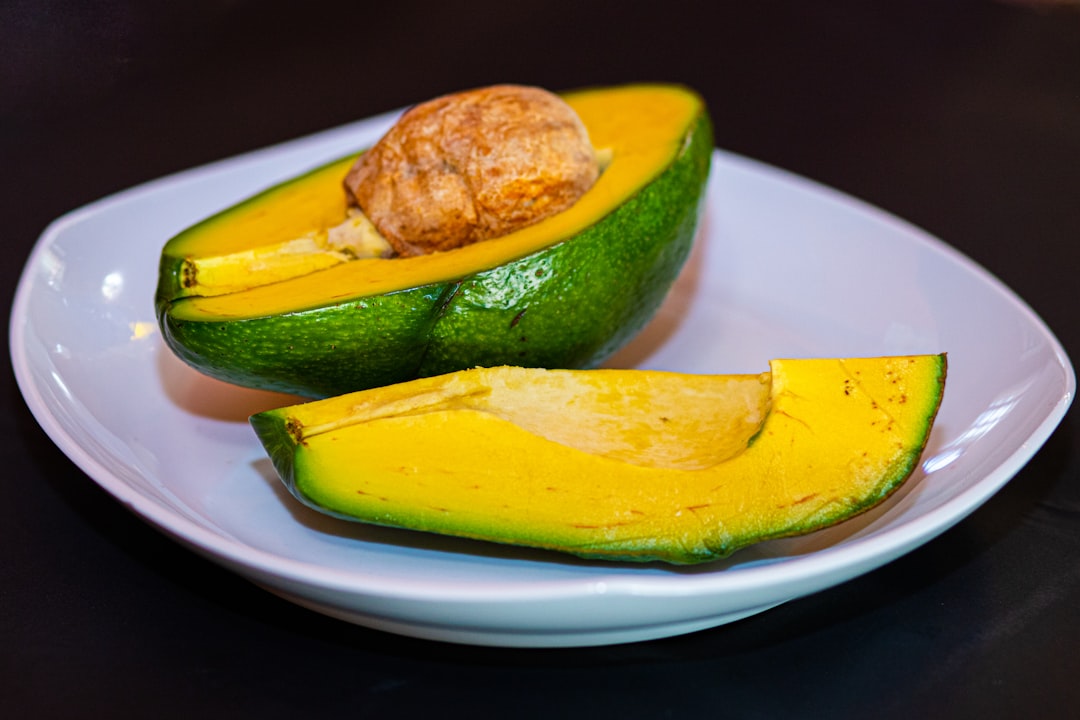
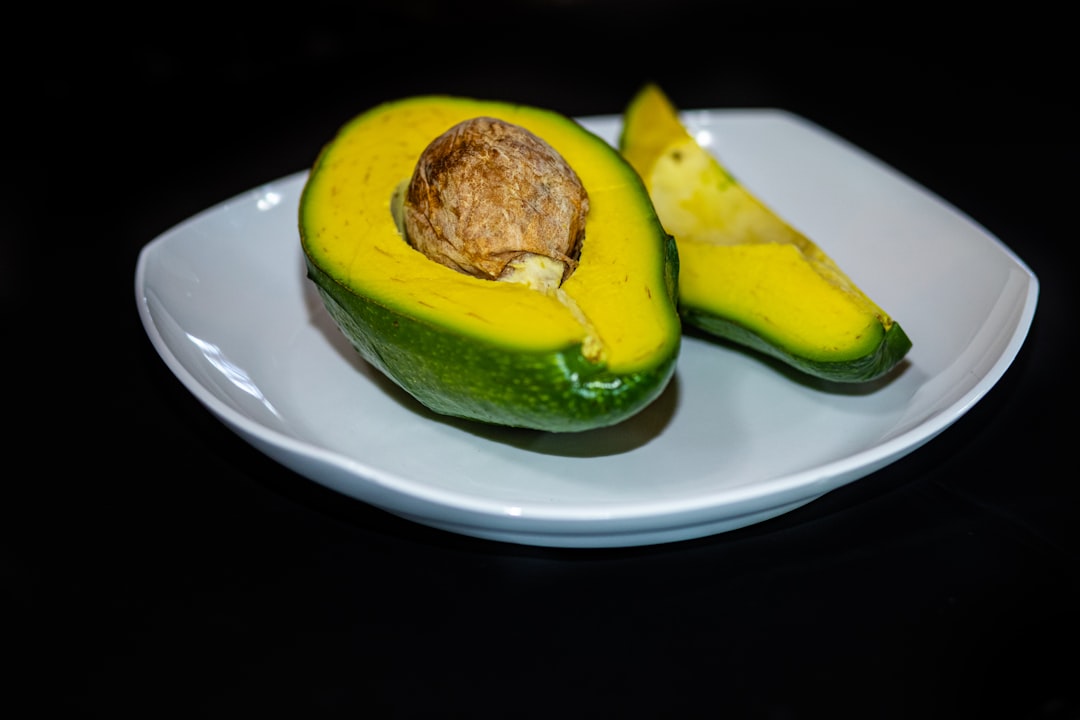
The avocado, alligator pear or avocado pear is an evergreen tree in the laurel family (Lauraceae). It is native to the Americas, with archaeological evidence of early human avocado use dating back thousands of years across various regions of Central and South America. It was prized for its large and unusually oily fruit. The native range of avocado extends from Mexico to Peru, encompassing much of Central America and parts of northern and western South America.
Where it grows
Source: FAO STAT — Crops and Livestock Products, 2024
Things worth knowing
- 01
The avocado, scientifically known as Persea americana, is an evergreen tree belonging to the laurel family (Lauraceae).
- 02
This tropical fruit is also widely known by its common names, alligator pear or avocado pear.
- 03
Archaeological evidence suggests early human use of avocados dates back thousands of years across various regions of Central and South America.
- 04
The fruit of the avocado tree was highly valued for its large size and distinctively oily texture.
- 05
Mexico stands as the top global producer of avocados, contributing significantly to the world's 11.2 million tonnes of production.
Health & nutrition
- Providing 6.69 grams of fiber per 100g, avocado is considered a good source of dietary fiber.
- Avocado supplies 377mg of potassium per 100g, which may support various essential bodily functions.
- With 9.36mg of Vitamin C per 100g, avocado is a source of this important nutrient.
- Each 100g serving of avocado contains 144 kcal, offering a moderate contribution to daily energy intake.
- The fruit has a relatively low sugar content, providing only 1.65g per 100g.
Informational only · not medical advice
Culinary uses
The avocado fruit, prized for its unusually oily texture, is a versatile ingredient in many cuisines. Historically, it was valued across Central and South America, its native range extending from Mexico to Peru. Globally, it is often enjoyed fresh in salads, sandwiches, and as a key component of guacamole. Its creamy texture makes it suitable for both savory dishes and, less commonly, in some sweet preparations.