Bergamot
Citrus bergamia
- Energy
- 69kcal
- Native
- —
- Top Producer
- CHN
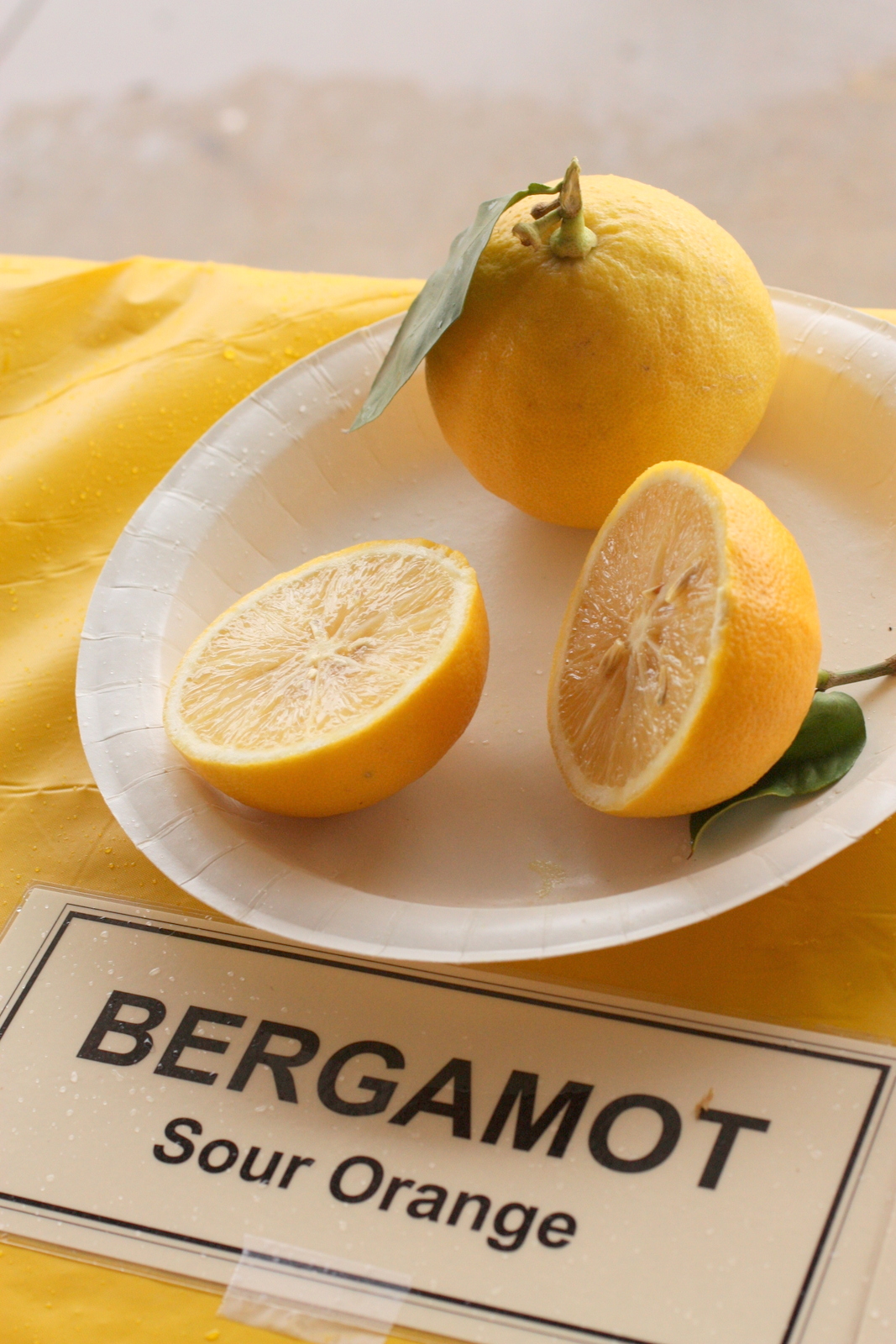
Photo: Leslie Seaton from Seattle, WA, USA · CC BY 2.0
Where it comes from
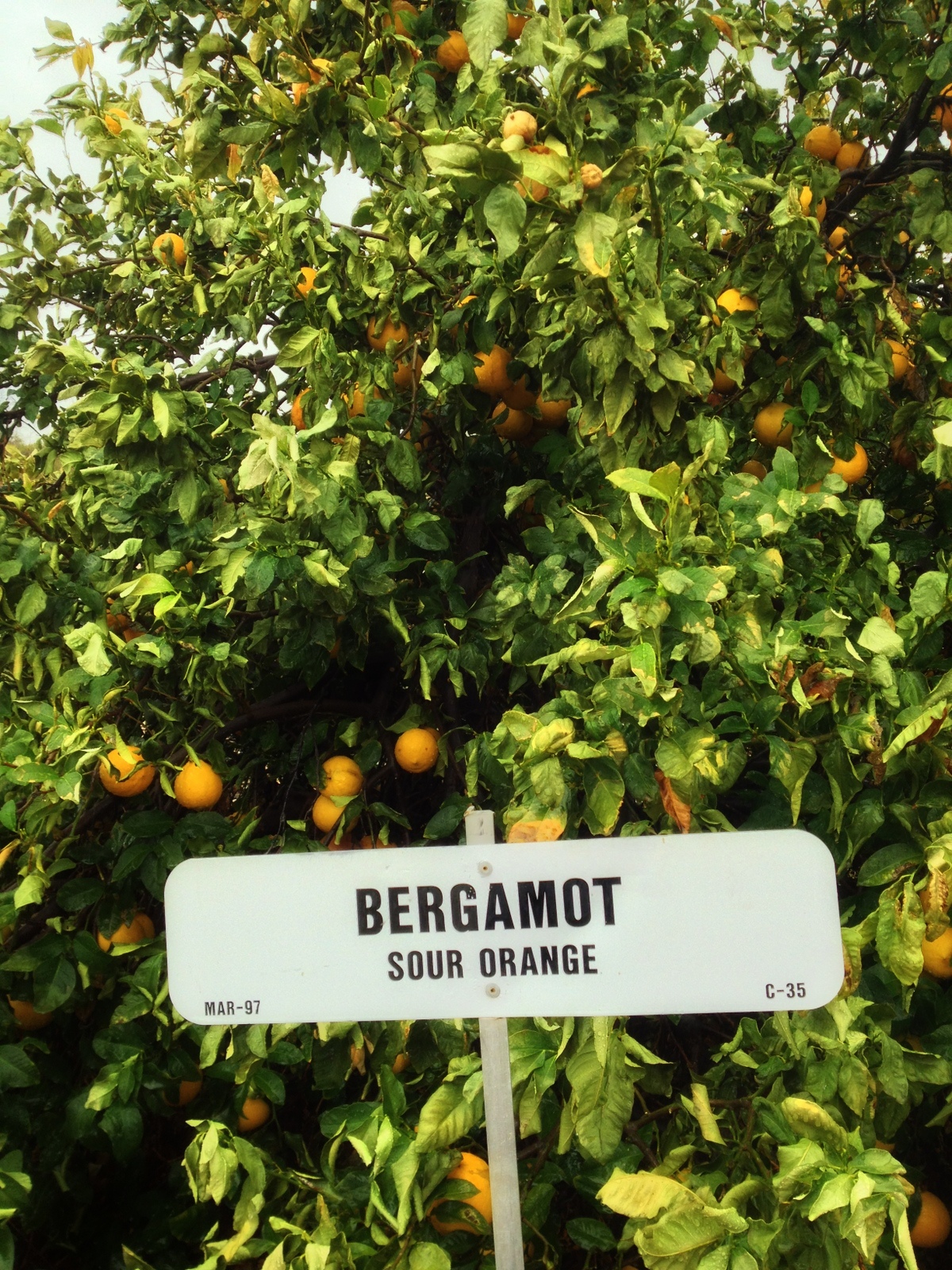
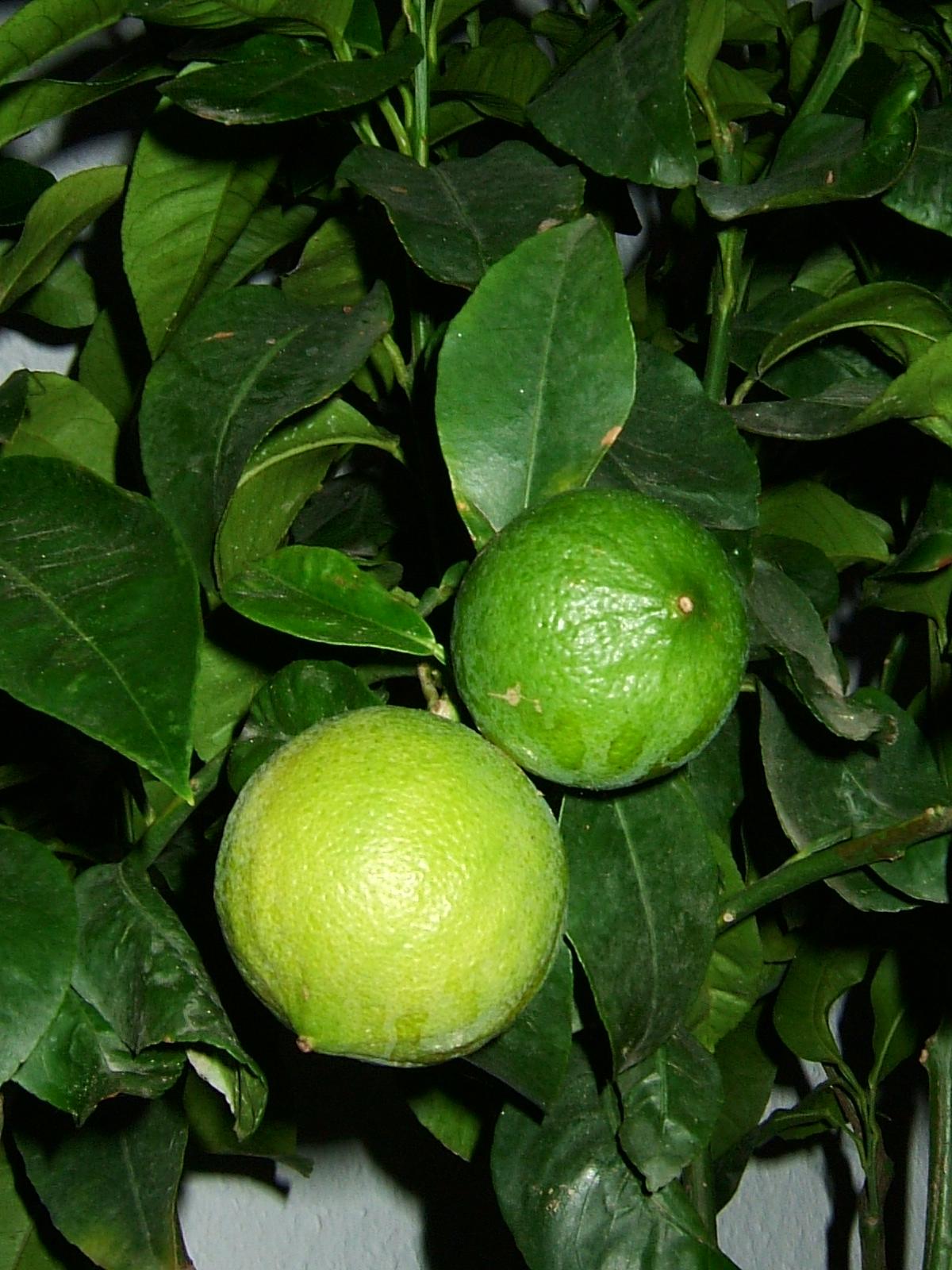
Citrus bergamia, commonly known as the bergamot orange, is a fragrant citrus fruit the size of an orange, with a yellow or green colour similar to a lime, depending on ripeness.
Where it grows
Note · FAO 'Other citrus'
Source: FAO STAT — Crops and Livestock Products, 2024
Things worth knowing
- 01
The bergamot orange, scientifically known as Citrus bergamia, is a fragrant citrus fruit that resembles an orange in size.
- 02
Its vibrant skin can appear yellow or green, with the color often indicating the ripeness of the fruit.
- 03
While its exact native region remains unknown, bergamot is a recognized member of the Rutaceae family.
- 04
Globally, over 13 million tonnes of this citrus fruit are produced annually, with China being the top producer.
- 05
Bergamot offers a unique aromatic profile, making it distinct among other citrus varieties.
Health & nutrition
- Bergamot is a source of Vitamin C, which may support immune function.
- The fruit contains dietary fiber, which can contribute to digestive health.
- It provides potassium, an important mineral that may play a role in maintaining healthy blood pressure.
- Bergamot contains antioxidants that are beneficial for cellular health.
- This citrus fruit offers a modest amount of energy, with approximately 69 kcal per 100 grams.
Informational only · not medical advice
Culinary uses
Bergamot is widely recognized for its distinctive aromatic qualities, most famously used to flavor Earl Grey tea. Beyond its iconic tea application, it finds its way into various desserts, liqueurs, and candies, particularly in Mediterranean cuisine. The zest and juice can also be incorporated into savory dishes, adding a unique citrusy note.