Buddha's Hand
Citrus medica sarcodactylis
- Energy
- 69kcal
- Native
- —
- Top Producer
- CHN
Where it comes from
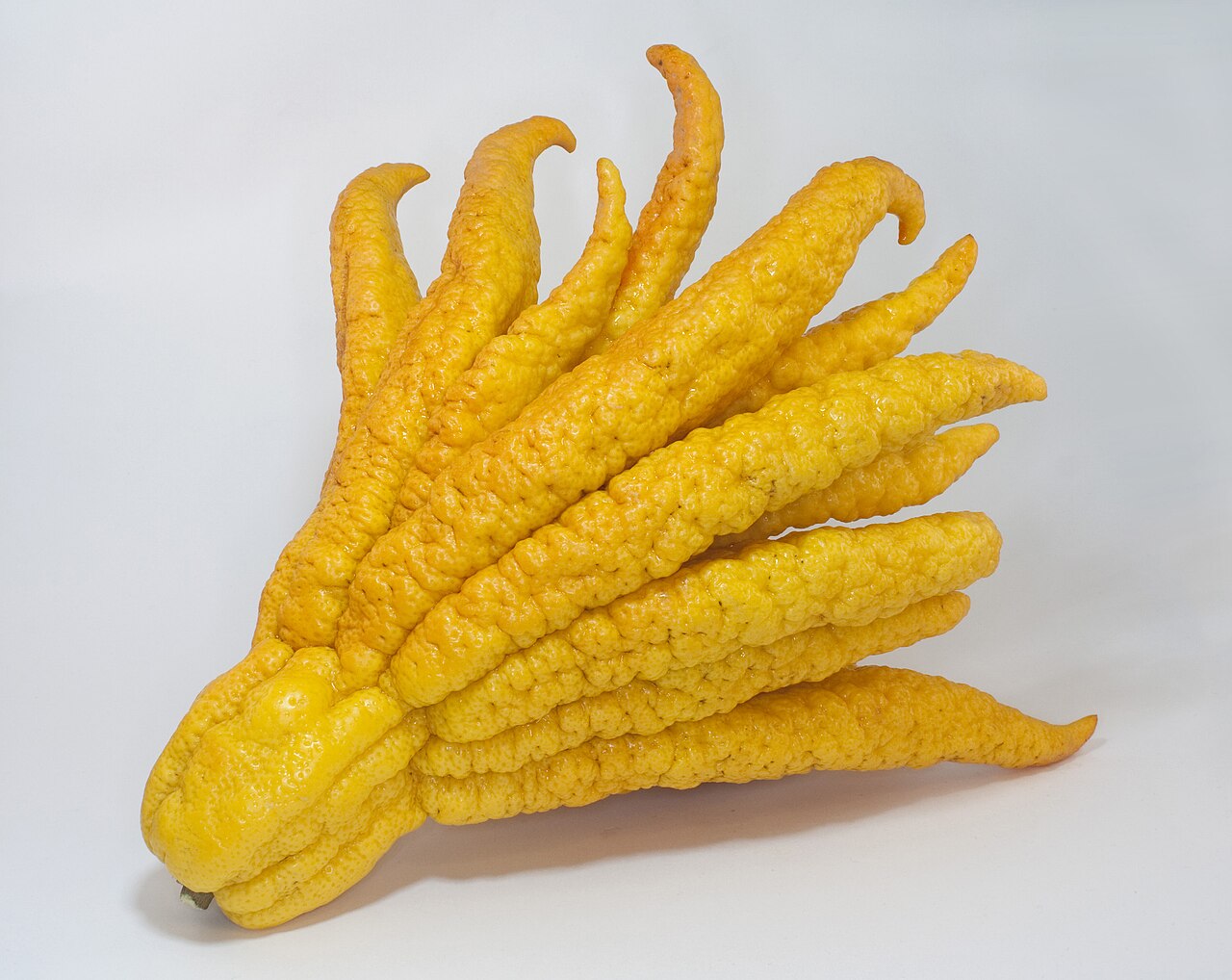
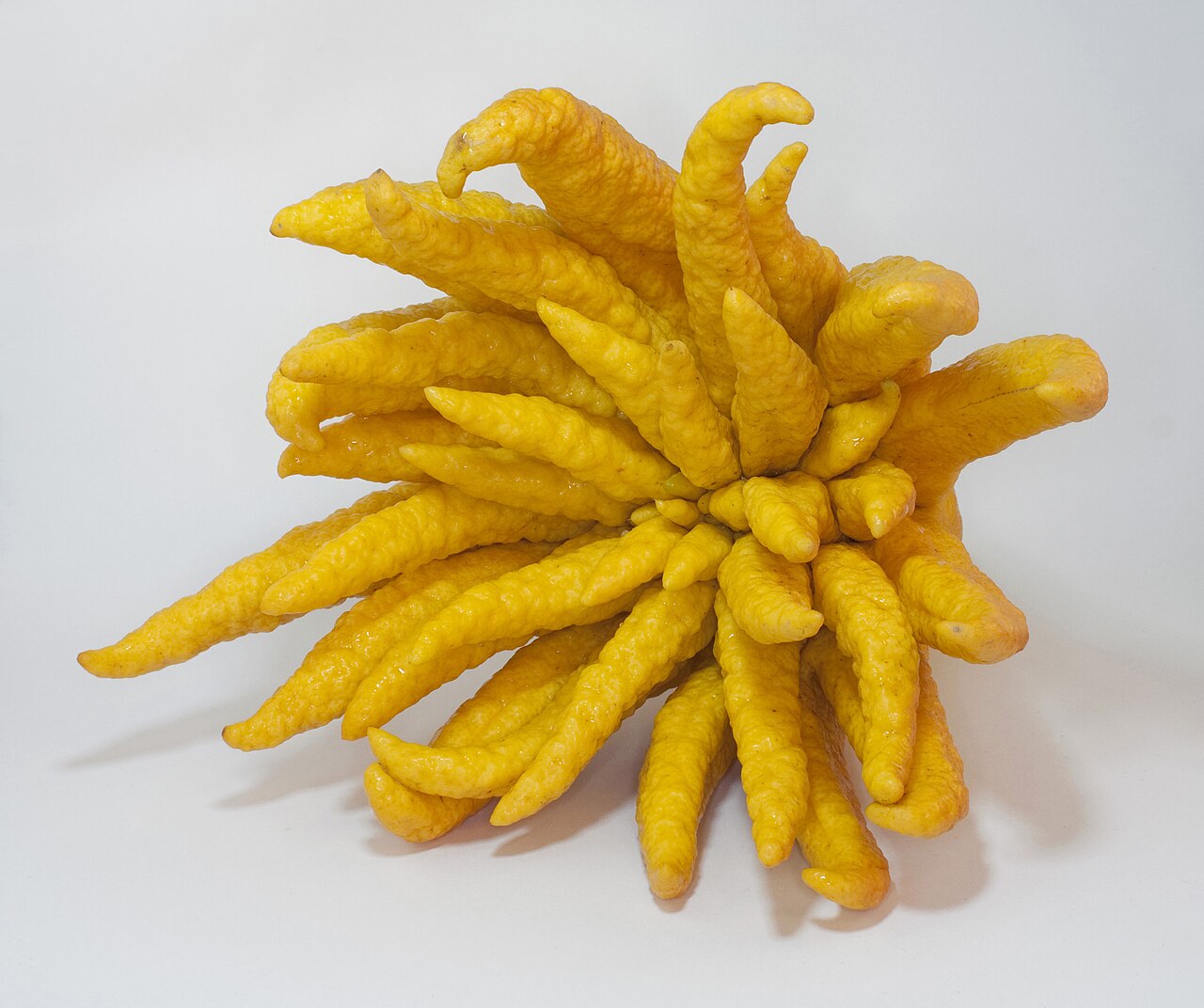
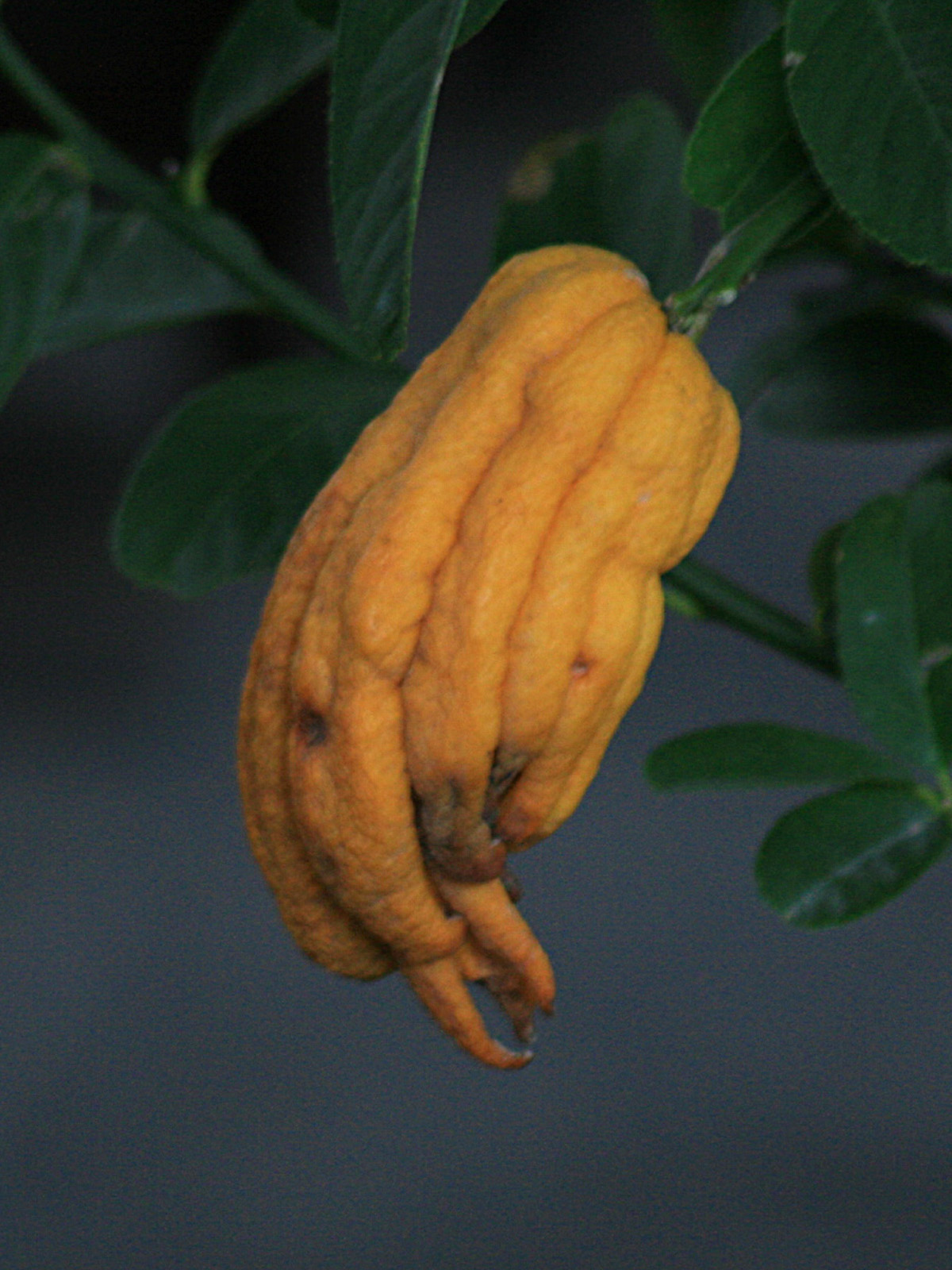
Citrus medica var. sarcodactylis, or the fingered citron, is a citron variety whose fruit is segmented into finger-like sections, resembling those seen on representations of the Buddha. It is called Buddha's hand in many languages including English, Chinese, Japanese, Korean, Vietnamese, German and French. Unlike other citrus fruits, it contains no pulp or juice, but has edible rind and pith.
Where it grows
Note · FAO 'Other citrus'
Source: FAO STAT — Crops and Livestock Products, 2024
Things worth knowing
- 01
The Buddha's Hand, botanically known as Citrus medica sarcodactylis, is a fascinating citrus fruit segmented into finger-like sections.
- 02
This unique citron variety's fruit shape is said to resemble the hands of the Buddha in various depictions.
- 03
Interestingly, the Buddha's Hand is known by this name across many languages, including English, Chinese, Japanese, and French.
- 04
While its exact native region remains unknown, it is a recognized variety within the Rutaceae family.
- 05
China (CHN) is currently the top producer of this distinct citrus fruit, contributing significantly to its global output.
Health & nutrition
- Buddha's Hand is a source of dietary fiber, which may support digestive health.
- This fruit provides Vitamin C, an antioxidant that may contribute to immune system function.
- It contains potassium, an essential mineral that may play a role in maintaining fluid balance.
- The fruit offers a modest amount of energy, with approximately 69 kcal per 100g.
- Its natural sugars provide a source of carbohydrates for the body's energy needs.
Informational only · not medical advice
Culinary uses
Unlike many other citrus fruits, the Buddha's Hand is primarily used for its aromatic zest and peel, often containing little to no pulp or juice. It is commonly candied, infused into liqueurs, or used to flavor desserts and savory dishes. In many regions, its fragrant peel is also utilized in perfumes and traditional remedies. The entire fruit can be zested or thinly sliced to impart a unique floral citrus aroma and flavor.