Sea Buckthorn
Hippophae rhamnoides
- Energy
- 97kcal
- Native
- —
- Top Producer
- —
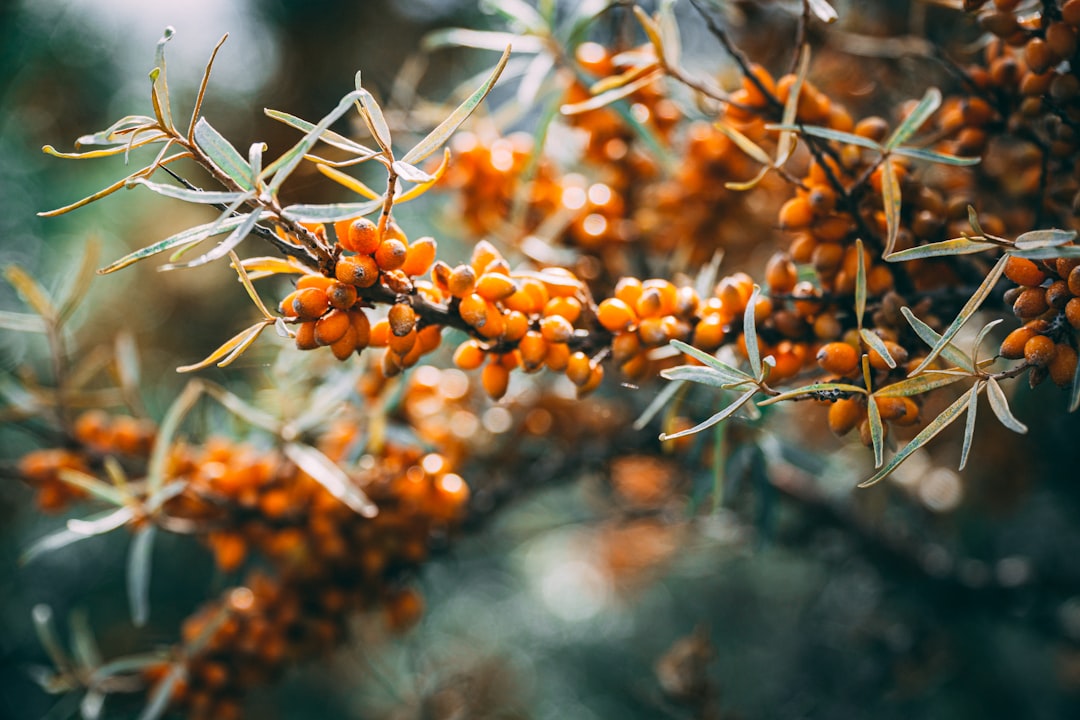
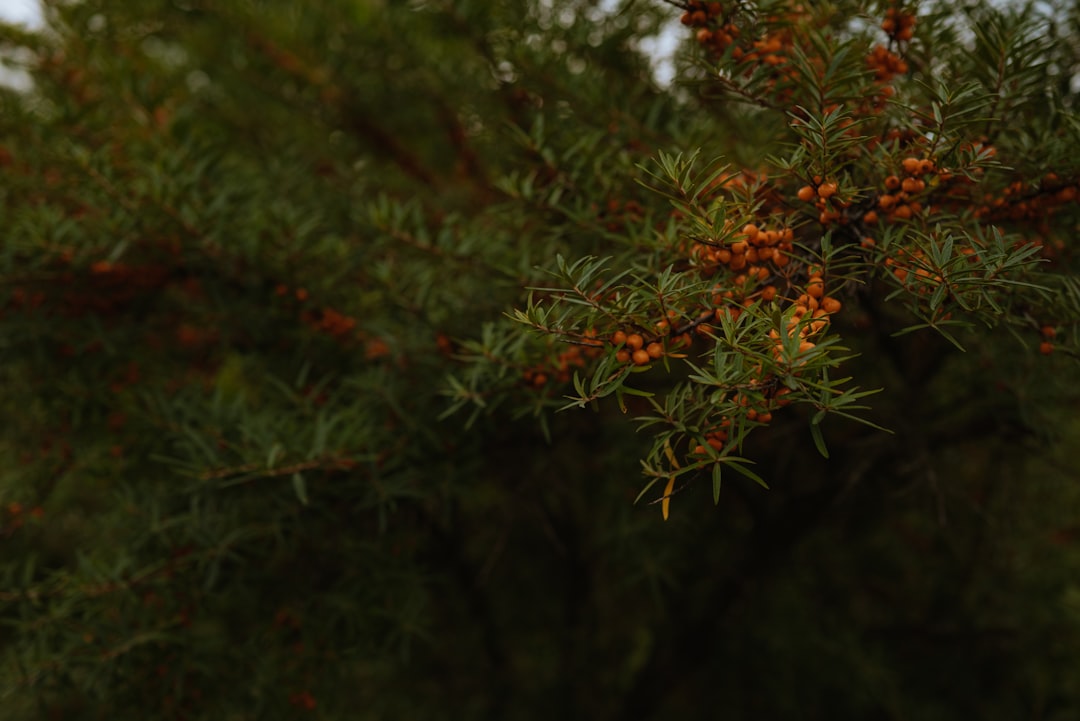
Photo: Philipp Deus · Unsplash License
Where it comes from
Sea-buckthorn, also known as sea buckthorn, sandthorn, sallowthorn or seaberry, is a species of flowering plant in the family Elaeagnaceae, native to cold-temperate regions of Eurasia. It is a spiny deciduous shrub. The fruit has culinary uses, while its extracts, including its oil, are used in the cosmetics industry and within traditional medicine. It is also used as animal fodder, in horticulture, and for ecological purposes.
Things worth knowing
- 01
Sea Buckthorn, scientifically known as Hippophae rhamnoides, belongs to the Elaeagnaceae family of flowering plants.
- 02
Often called sandthorn or seaberry, this plant is a spiny deciduous shrub found in cold-temperate regions of Eurasia.
- 03
While the fruit is edible, its valuable oils and extracts are utilized in cosmetics and traditional healing practices.
- 04
Despite its name, sea buckthorn is not typically found growing along coastlines, but rather in mountainous or arid areas.
- 05
The plant's name 'Hippophae' comes from Greek words meaning 'shining horse,' possibly referencing its use in ancient times to improve horse coats.
Health & nutrition
- Sea buckthorn is a source of potassium, which may support healthy fluid balance in the body.
- The fruit contains nutrients that may contribute to overall well-being.
- Its natural compounds are recognized for their potential to support skin health when used topically.
- Sea buckthorn extracts may offer antioxidant properties, helping to protect cells from damage.
- Consuming sea buckthorn may provide beneficial phytonutrients that contribute to a balanced diet.
Informational only · not medical advice
Culinary uses
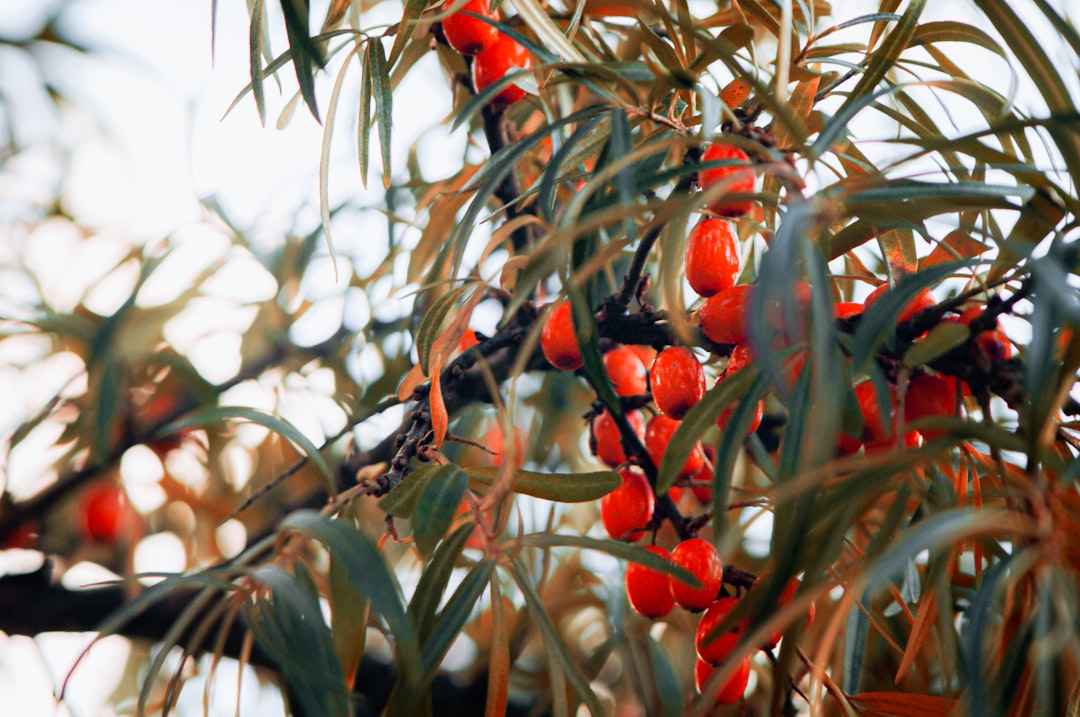
The tart, bright orange berries of the sea buckthorn shrub are used in various culinary applications worldwide. They can be made into juices, jams, jellies, and sauces, often sweetened to balance their intense flavor. In some regions, the berries are dried and used in teas or as a garnish. The unique flavor profile makes them a distinctive ingredient in both sweet and savory dishes.