Cantaloupe
Cucumis melo
- Energy
- 34kcal
- Native
- —
- Top Producer
- CHN
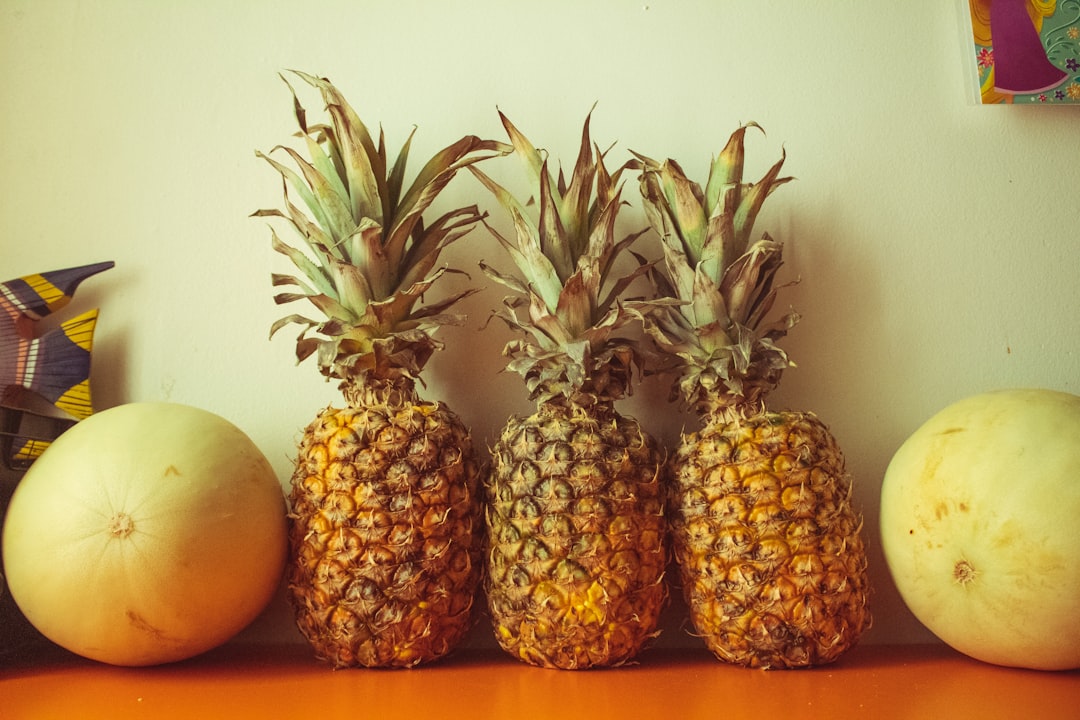
Photo: Brian Wangenheim · Unsplash License
Where it comes from
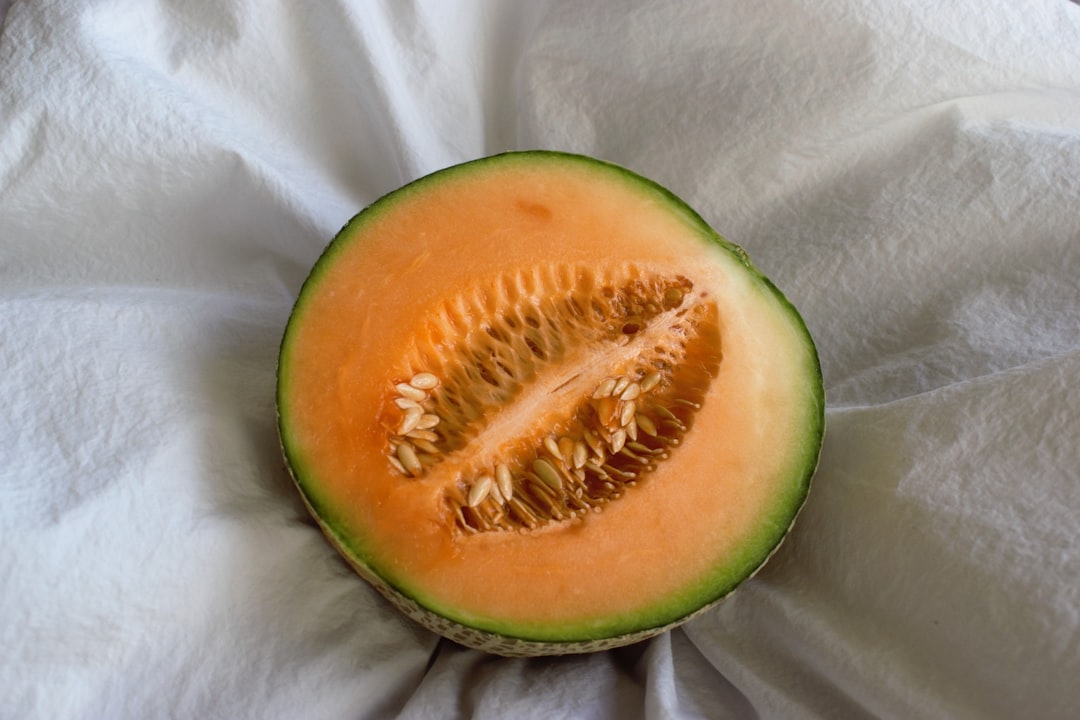
The cantaloupe is a type of true melon with sweet, aromatic, and usually orange flesh. Originally, cantaloup referred to the true cantaloupe or European cantaloupe with non- to slightly netted and often ribbed rind. Today, it also refers to the muskmelon with strongly netted rind, which is called cantaloupe in North America, rockmelon in Australia and New Zealand, and spanspek in Southern Africa. Cantaloupes range in mass from 0.5 to 5 kilograms.
Where it grows
Note · FAO 'Cantaloupes and other melons'
Source: FAO STAT — Crops and Livestock Products, 2024
Things worth knowing
- 01
The cantaloupe, scientifically known as Cucumis melo, belongs to the Cucurbitaceae family, which includes gourds and cucumbers.
- 02
This melon is characterized by its sweet, aromatic, and typically orange flesh, making it a popular fruit worldwide.
- 03
Globally, 28.2 million tonnes of cantaloupe are produced, with China being identified as the top producer in 2024.
- 04
While originally referring to European cantaloupe, the term "cantaloupe" now also includes muskmelons, called rockmelon in Australia.
- 05
In North America, the strongly netted muskmelon is commonly known as cantaloupe, distinct from the non-netted European variety.
Health & nutrition
- Cantaloupe is a low-calorie fruit, providing approximately 34 kcal per 100g serving, making it a light choice.
- With 0.80g of fiber per 100g, cantaloupe is a source of dietary fiber, which may support digestive health.
- This melon is a notable source of Vitamin C, offering 10.9mg per 100g, which may contribute to immune function.
- Cantaloupe also provides potassium, with 157mg per 100g, a mineral that may support maintaining normal fluid balance.
- Its combination of fiber, Vitamin C, and potassium makes cantaloupe a nutritious addition to a balanced diet.
Informational only · not medical advice
Culinary uses
The cantaloupe is a type of true melon prized for its sweet, aromatic, and usually orange flesh. This appealing profile makes it a popular fruit, enjoyed for its inherent taste and fragrant qualities.