Watermelon
Citrullus lanatus
- Energy
- —
- Native
- —
- Top Producer
- CHN
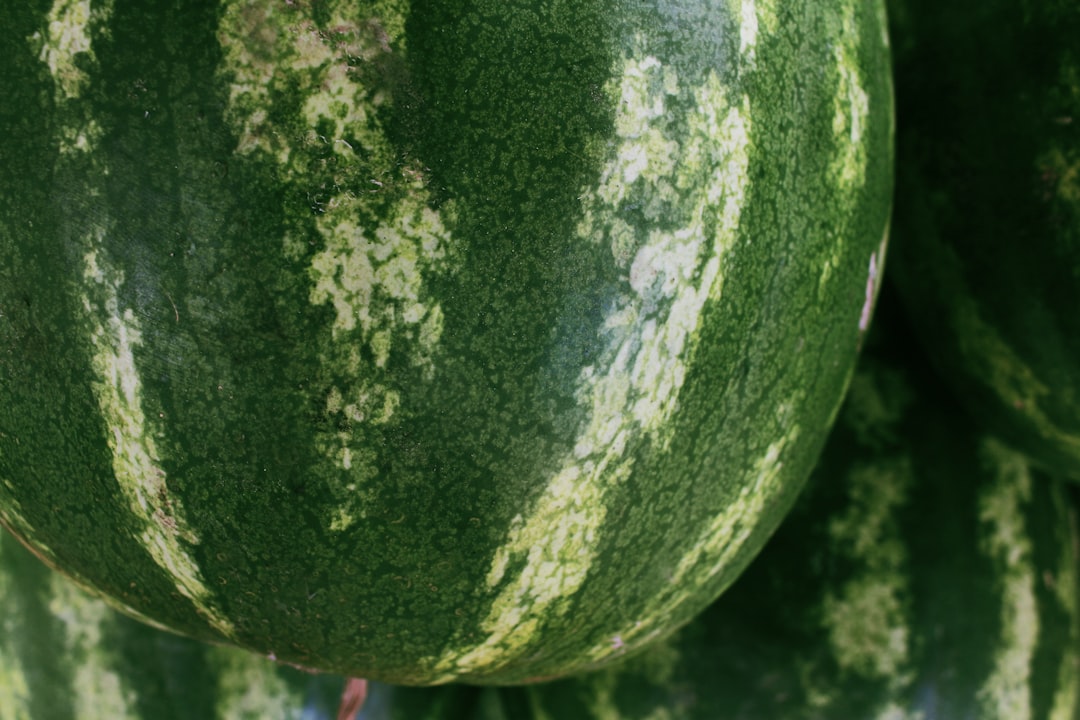
Photo: Daniel Dan · Unsplash License
Where it comes from
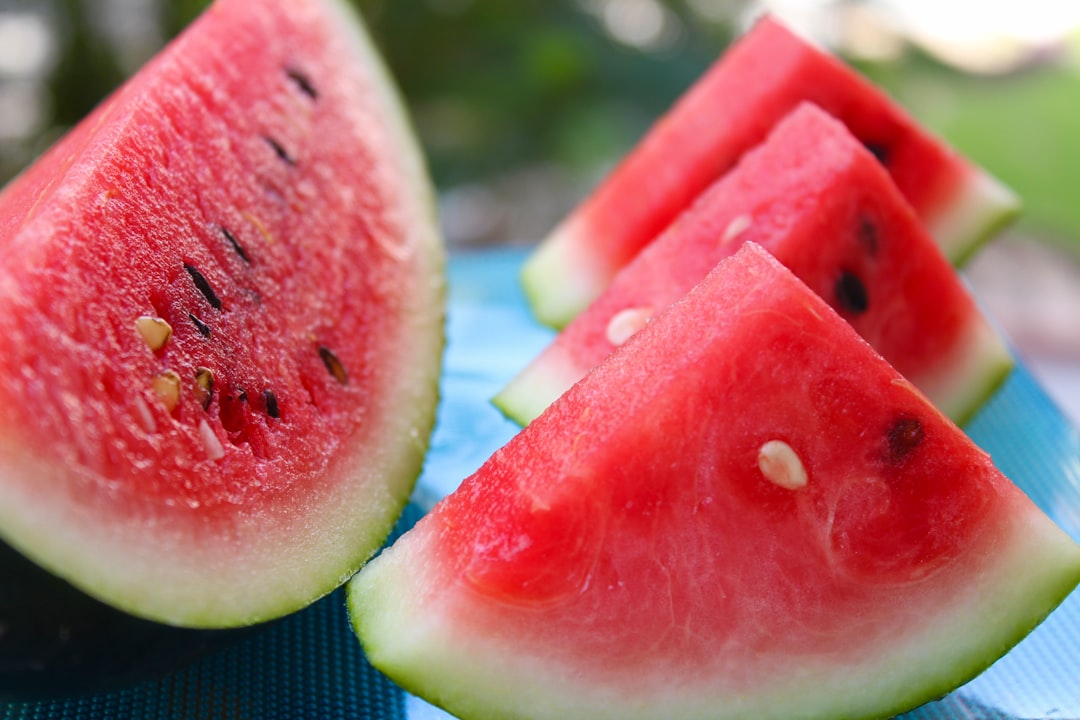
The watermelon is a species of flowering plant in the family Cucurbitaceae, that has a large, edible fruit. It is a scrambling and trailing vine-like plant, and is widely cultivated worldwide, with more than 1,000 varieties.
Where it grows
Source: FAO STAT — Crops and Livestock Products, 2024
Things worth knowing
- 01
Watermelons are scientifically known as Citrullus lanatus and belong to the Cucurbitaceae family of plants.
- 02
While its exact native region remains unknown, this melon is now widely cultivated across the globe.
- 03
China is the top producer of watermelons, contributing significantly to the world's total production of 104.9 million tonnes.
- 04
There are over 1,000 different varieties of watermelon, showcasing incredible diversity within this single species.
- 05
This scrambling, trailing vine-like plant produces a large, edible fruit that is enjoyed by many.
Health & nutrition
- Watermelon is a source of Vitamin C, which may support immune function.
- It contains potassium, an important mineral that may help regulate blood pressure.
- The fruit's water content may contribute to hydration and overall well-being.
- Certain compounds in watermelon may offer antioxidant properties.
- It provides essential nutrients that are part of a balanced diet.
Informational only · not medical advice
Culinary uses
Watermelon is globally enjoyed as a refreshing fruit, often eaten fresh on its own. In many regions, it is incorporated into fruit salads, juices, and smoothies. Some culinary traditions also use watermelon in savory dishes, such as grilled preparations or as a component in light summer salads, highlighting its versatile nature.