Honeydew
Cucumis melo inodorus
- Energy
- —
- Native
- —
- Top Producer
- CHN
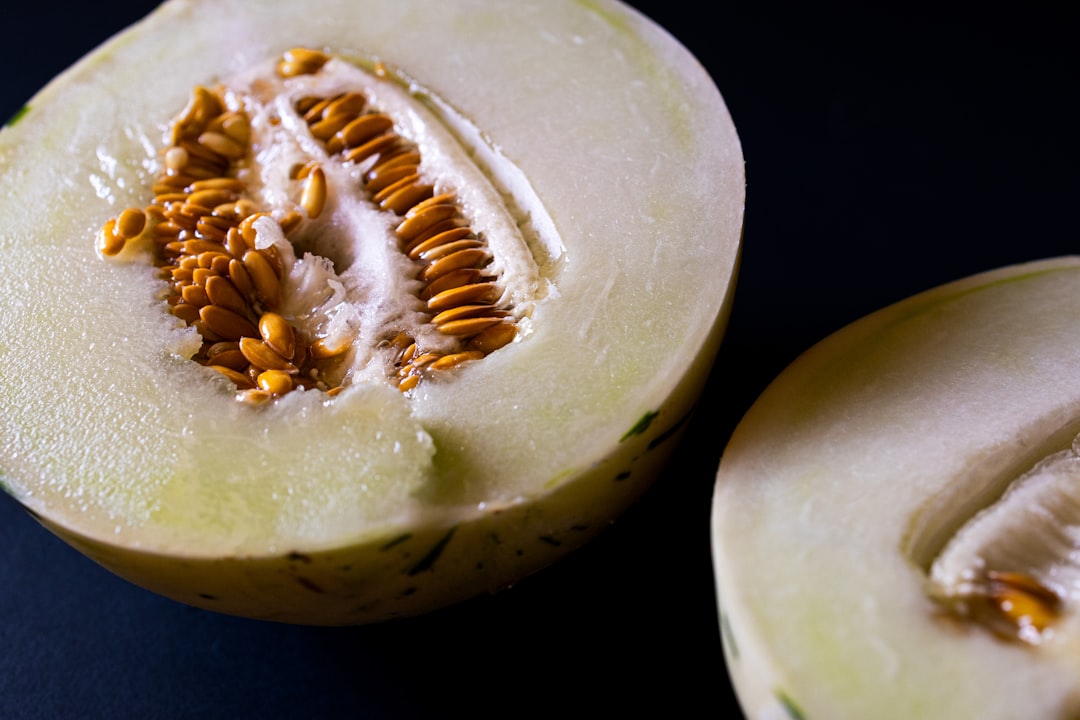
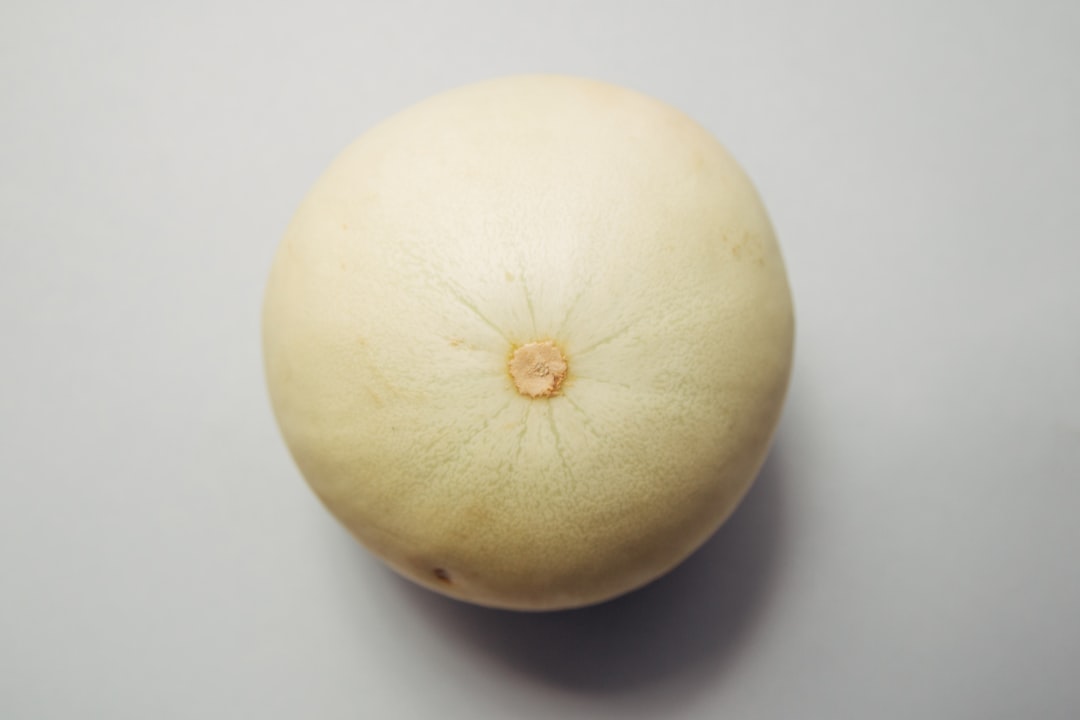
Photo: Stephanie Sarlos · Unsplash License
Where it grows
Note · FAO 'Cantaloupes and other melons'
Source: FAO STAT — Crops and Livestock Products, 2024
Things worth knowing
- 01
The honeydew melon, scientifically known as Cucumis melo inodorus, belongs to the vast Cucurbitaceae family, which includes cucumbers and squashes.
- 02
Its precise native region remains a botanical mystery, adding an element of intrigue to this popular variety of melon.
- 03
China is currently the leading global producer of honeydew melons, contributing significantly to the world's total output.
- 04
Globally, approximately 28.2 million tonnes of honeydew melons are produced each year, showcasing its widespread cultivation.
- 05
Honeydew melons are a delightful and refreshing fruit, enjoyed by people across many different cultures and regions worldwide.
Health & nutrition
- Honeydew melon is a good source of Vitamin C, which may support a healthy immune system.
- This melon provides potassium, an important mineral that may help maintain healthy blood pressure levels.
- The fruit contains water and fiber, which can contribute to digestive wellness.
- Its natural sugars offer a source of energy for the body.
- Honeydew melon's nutrient profile may contribute to overall well-being as part of a balanced diet.
Informational only · not medical advice
Culinary uses
Honeydew melons are enjoyed worldwide for their sweet, refreshing flavor and smooth texture. They are commonly eaten fresh, sliced, or balled, often served chilled as a dessert or snack. In many regions, honeydew is incorporated into fruit salads, smoothies, and sorbets. Some culinary traditions also pair honeydew with savory ingredients like prosciutto for a delightful sweet and salty contrast.