Clementine
Citrus clementina
- Energy
- 47kcal
- Native
- —
- Top Producer
- CHN
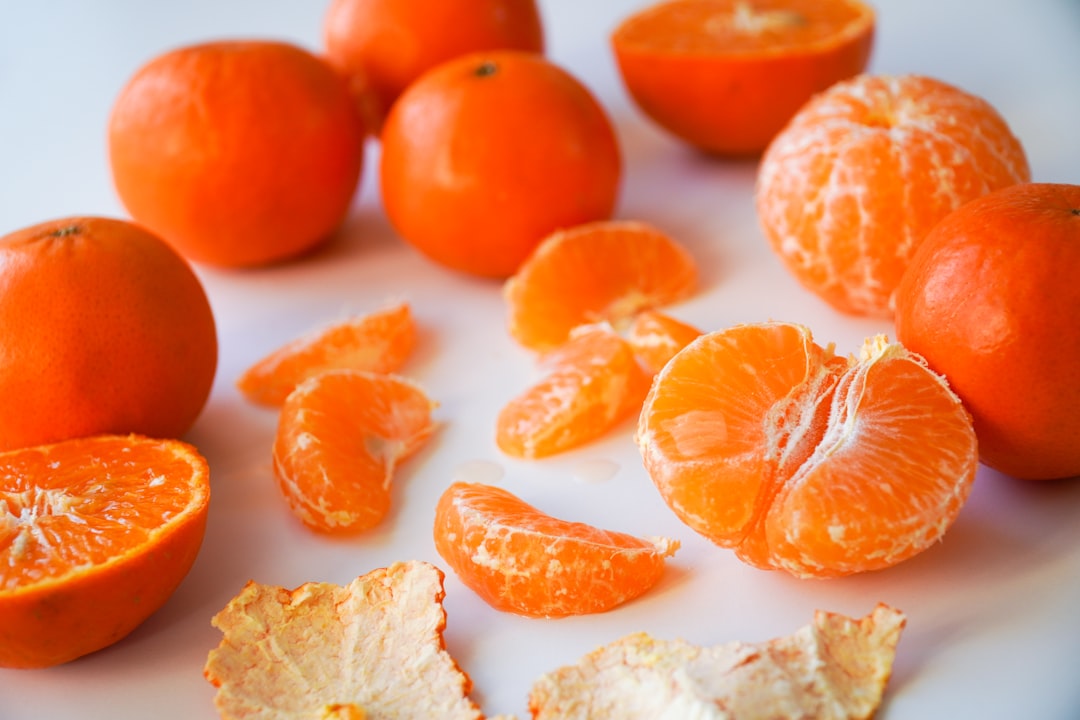
Photo: Karolina Kołodziejczak · Unsplash License
Where it comes from
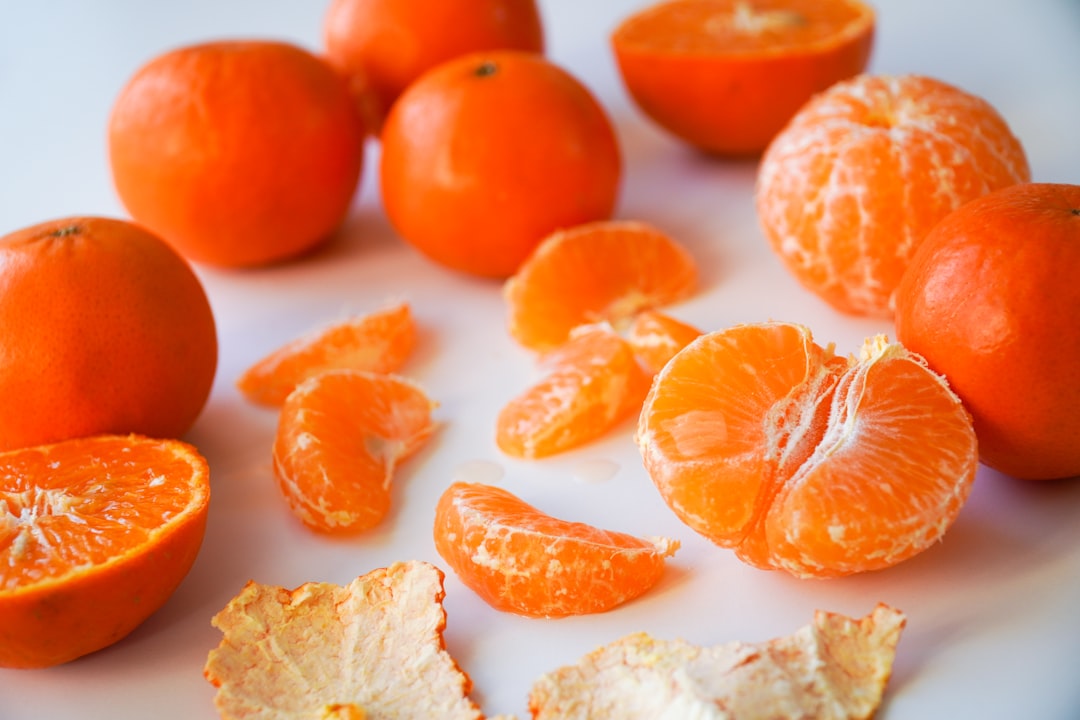
A clementine is a tangor, a citrus fruit hybrid between a willowleaf mandarin orange and a sweet orange, named in honor of Clément Rodier, a French missionary who first discovered and propagated the cultivar in Algeria. The exterior is a deep orange colour with a smooth, glossy appearance. Clementines can be separated into 7 to 14 segments. Similar to tangerines, they tend to be easy to peel. They are typically juicy and sweet, with less acid than oranges. Their oils, like other citrus fruits, contain mostly limonene as well as myrcene, linalool, α-pinene and many complex aromatics.
Where it grows
Note · FAO bundle
Source: FAO STAT — Crops and Livestock Products, 2024
Things worth knowing
- 01
The clementine, a hybrid citrus fruit, gets its name from a French missionary named Clément Rodier.
- 02
This vibrant fruit is a cross between a mandarin orange and a sweet orange, offering a delightful flavor.
- 03
Clementines boast a smooth, glossy exterior that is a deep orange color, making them visually appealing.
- 04
Each clementine is typically divided into seven to fourteen juicy segments, easy to peel and enjoy.
- 05
China is the leading producer of clementines worldwide, contributing significantly to global supply.
Health & nutrition
- Clementines are a good source of Vitamin C, which may support immune function.
- The fiber content in clementines can contribute to digestive health.
- Potassium, found in clementines, may play a role in maintaining healthy blood pressure.
- As a citrus fruit, clementines provide antioxidants that may help protect cells.
- These fruits offer a modest amount of energy with around 47 calories per 100 grams.
Informational only · not medical advice
Culinary uses
Clementines are enjoyed globally as a convenient fresh snack due to their easy-to-peel nature and sweet taste. They are frequently used in fruit salads, desserts, and as a garnish for both sweet and savory dishes. In some regions, their juice is incorporated into beverages, marinades, and sauces, adding a bright citrus note.