Tangerine
Citrus tangerina
- Energy
- 53kcal
- Native
- —
- Top Producer
- CHN
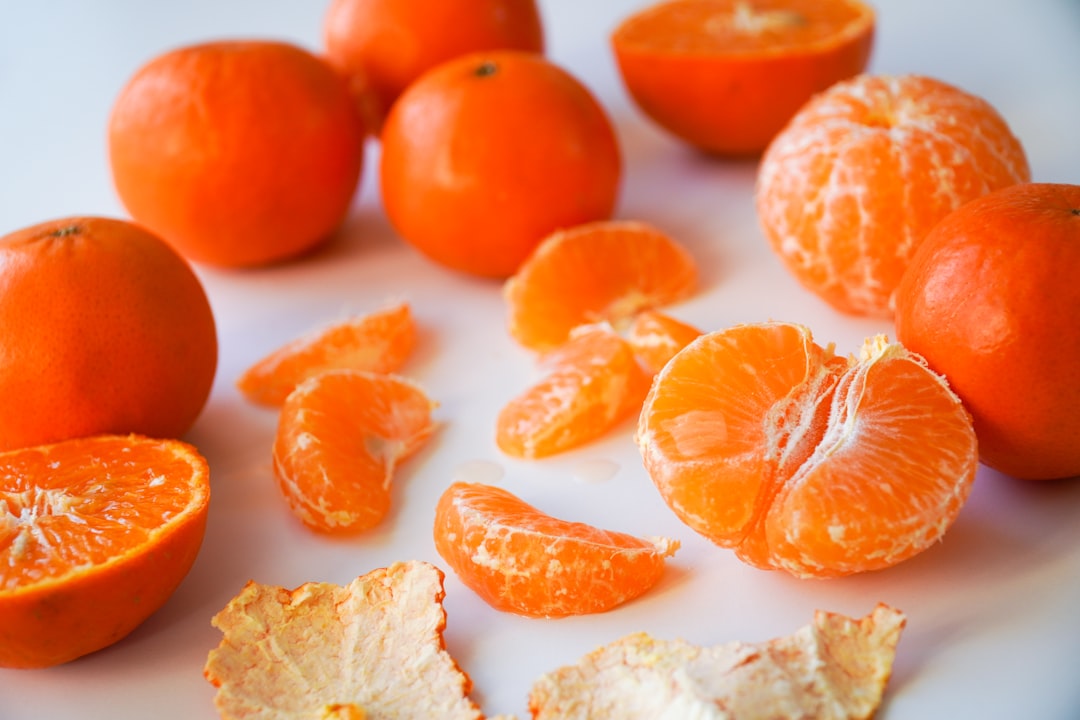
Photo: Karolina Kołodziejczak · Unsplash License
Where it comes from
The tangerine is a type of citrus fruit that is orange in colour, that is considered either a variety of the mandarin orange, or a closely related species, under the name Citrus tangerina, or yet as a hybrid of mandarin orange varieties, with some pomelo contribution.
Where it grows
Note · FAO bundles tangerines+mandarins+clementines
Source: FAO STAT — Crops and Livestock Products, 2024
Things worth knowing
- 01
The tangerine, scientifically known as Citrus tangerina, is a popular citrus fruit recognized for its vibrant orange hue.
- 02
While often considered a variety of mandarin orange, some botanists classify it as a closely related species or even a hybrid.
- 03
This delightful fruit is a member of the Rutaceae family, a diverse group of flowering plants known for their aromatic oils.
- 04
China is the leading global producer of tangerines, contributing significantly to the over 51.9 million tonnes harvested worldwide annually.
- 05
Interestingly, the precise native region of the tangerine remains unknown to botanists, adding a touch of mystery to its origins.
Health & nutrition
- Tangerines are a good source of dietary fiber, which may support digestive health.
- This citrus fruit provides vitamin C, an important nutrient that may help bolster the immune system.
- The potassium content in tangerines may contribute to maintaining healthy blood pressure levels.
- As a source of antioxidants, tangerines are believed to help protect the body's cells from damage.
- With a moderate calorie count, tangerines can be a healthy addition to a balanced diet.
Informational only · not medical advice
Culinary uses
Tangerines are enjoyed worldwide for their sweet, juicy flesh and easy-to-peel skin. They are commonly eaten fresh as a snack or used in fruit salads. In various regional cuisines, their zest and juice add a bright citrus note to both sweet and savory dishes, from baked goods to marinades and sauces. Their versatility makes them a popular ingredient in both home kitchens and professional culinary settings.