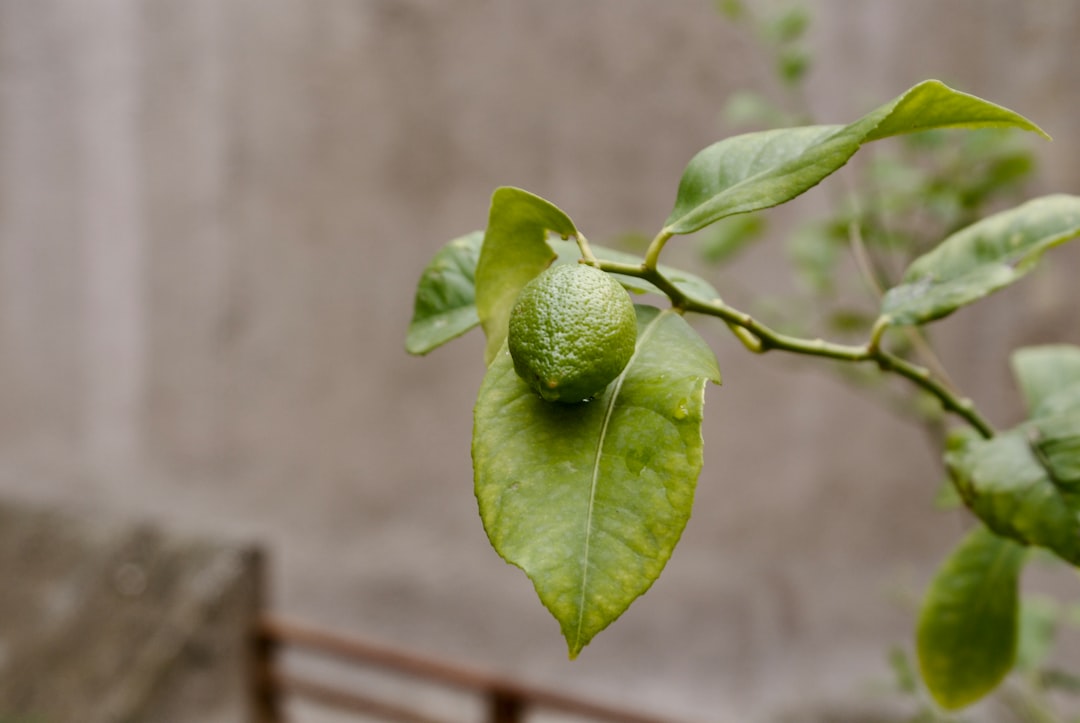
Pomelo
Citrus maxima
- Energy
- 69kcal
- Native
- —
- Top Producer
- CHN

Photo: Irina Iacob · Unsplash License
Where it comes from
The pomelo, also known as a shaddock, is the largest citrus fruit. It is an ancestor of several cultivated citrus species, including the bitter orange and the grapefruit. It is a natural, non-hybrid citrus fruit, native to Southeast Asia. Similar in taste to a sweet grapefruit, the pomelo is commonly eaten and used for festive occasions throughout Southeast and East Asia. As with the grapefruit, phytochemicals in the pomelo have the potential for drug interactions.
Where it grows
Note · FAO bundle pomelos+grapefruits
Source: FAO STAT — Crops and Livestock Products, 2024
Things worth knowing
- 01
The pomelo, scientifically known as Citrus maxima, is the largest citrus fruit known to exist.
- 02
It is recognized as an ancestor to many popular citrus varieties, including the grapefruit.
- 03
Unlike many other citrus fruits, the pomelo is a natural, non-hybrid species.
- 04
While its exact native region is unknown, it is believed to originate from Southeast Asia.
- 05
China is currently the top global producer of pomelos, contributing significantly to world production.
Health & nutrition
- Pomelos are a good source of dietary fiber, which may support digestive health.
- They are a notable source of Vitamin C, an important antioxidant for the body.
- The fruit provides potassium, a mineral that may play a role in maintaining fluid balance.
- With approximately 69 kcal per 100g, pomelos offer a relatively low-calorie option.
- Their sugar content is moderate, making them a potentially suitable choice for mindful eating.
Informational only · not medical advice
Culinary uses
The pomelo, a naturally sweet citrus fruit, is enjoyed across various cultures, often featured during festive celebrations. Its large size and mild, sweet flavor, reminiscent of grapefruit but less bitter, make it a popular choice for fresh consumption. In Southeast Asian cuisine, the flesh is frequently used in salads and as a refreshing garnish. The rind can also be candied or used in marmalades, showcasing its versatility in the kitchen.