Coconut
Cocos nucifera
- Energy
- 354kcal
- Native
- —
- Top Producer
- IDN
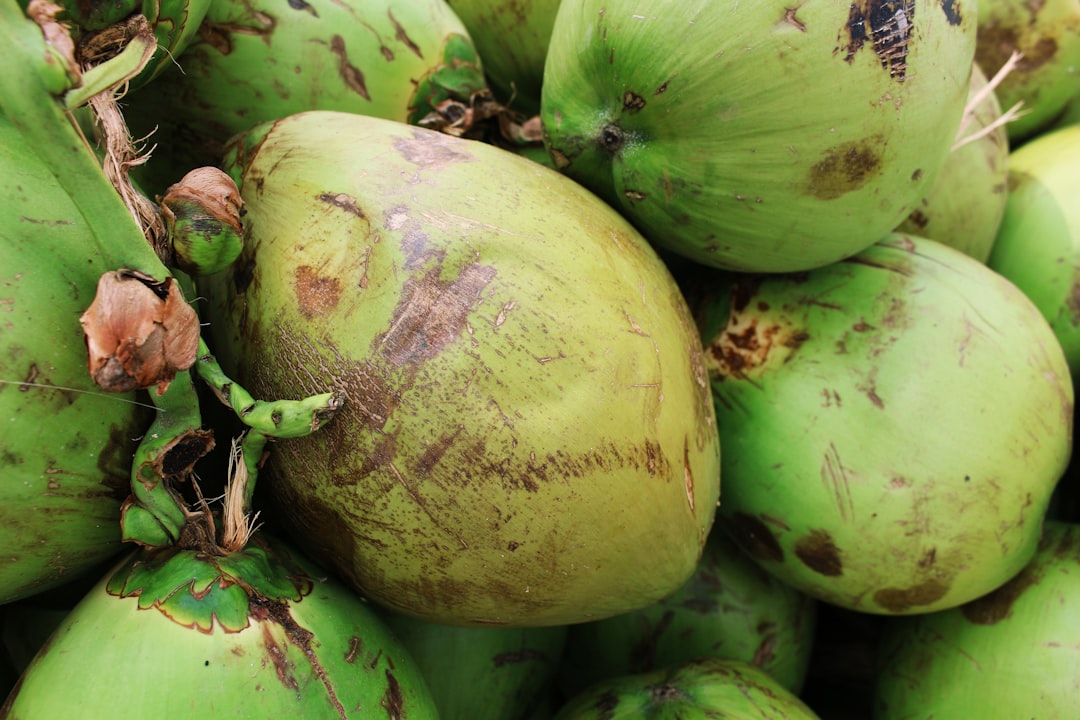
Photo: Daniel Dan · Unsplash License
Where it comes from
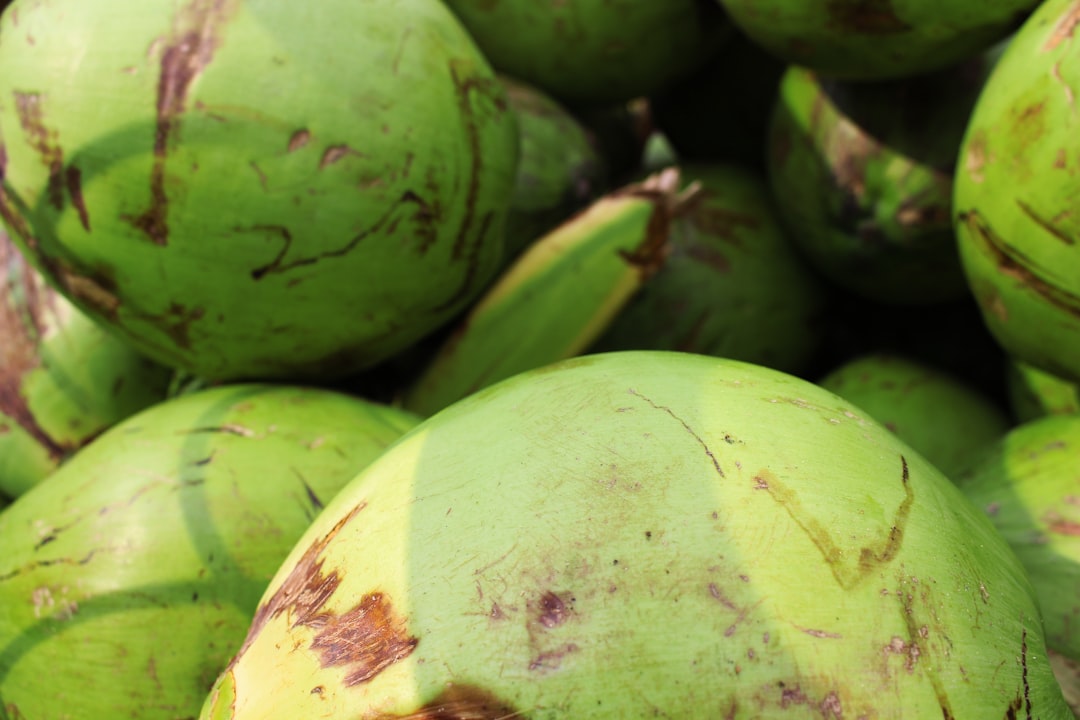
The coconut is a member of the palm family (Arecaceae) and the only living species of the genus Cocos. The term "coconut" can denote the whole coconut palm tree or the large hard fruit. Originally native to Central Indo-Pacific, they are ubiquitous in coastal tropical regions.
Where it grows
Source: FAO STAT — Crops and Livestock Products, 2024
Things worth knowing
- 01
The coconut is the sole living species within the genus Cocos, belonging to the Arecaceae palm family.
- 02
While its exact native region remains unknown, coconuts are now commonly found in coastal tropical areas worldwide.
- 03
The versatile term 'coconut' refers to both the entire palm tree and its distinctive large, hard fruit.
- 04
Indonesia stands as the top global producer of coconuts, contributing significantly to the world's annual harvest.
- 05
Indonesia produced an impressive 65.5 million tonnes of coconuts in the most recent production year.
Health & nutrition
- Coconut is a source of dietary fiber, which may support healthy digestion.
- This tropical fruit provides potassium, an essential mineral that plays a role in bodily functions.
- Coconut contains Vitamin C, an antioxidant that may contribute to overall well-being.
- The fruit's energy content comes from its healthy fats, carbohydrates, and protein.
- Consuming coconut as part of a balanced diet may offer nutritional benefits.
Informational only · not medical advice
Culinary uses
Coconuts are a staple in tropical cuisines worldwide. The flesh can be eaten fresh, dried, or processed into milk, cream, and oil. Coconut milk and cream are fundamental ingredients in curries, soups, and desserts across Southeast Asia, the Caribbean, and parts of Africa. Coconut oil is widely used for cooking and baking, imparting a distinct flavor to dishes.