Date
Phoenix dactylifera
- Energy
- 277kcal
- Native
- —
- Top Producer
- SAU
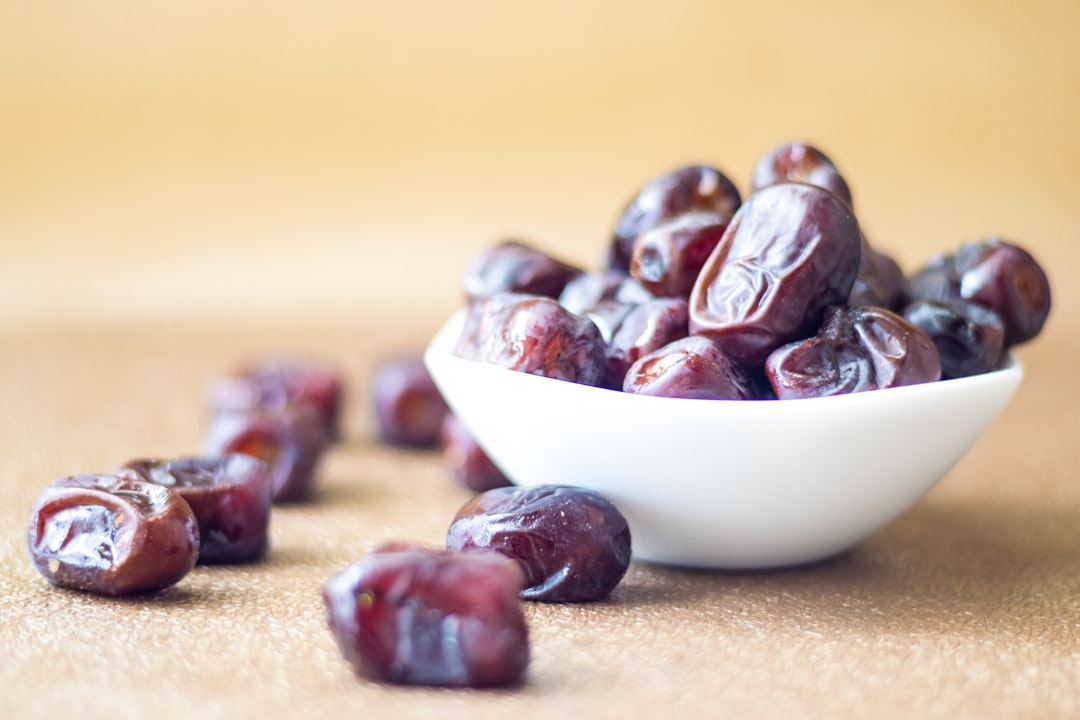
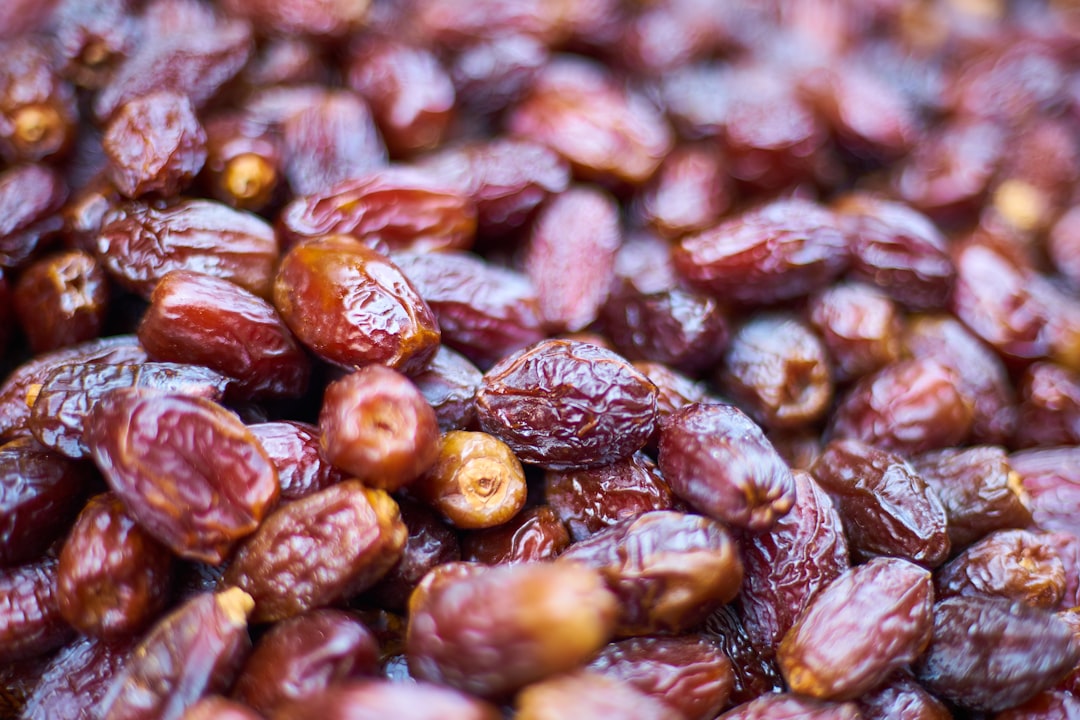
Photo: VD Photography · Unsplash License
Where it comes from
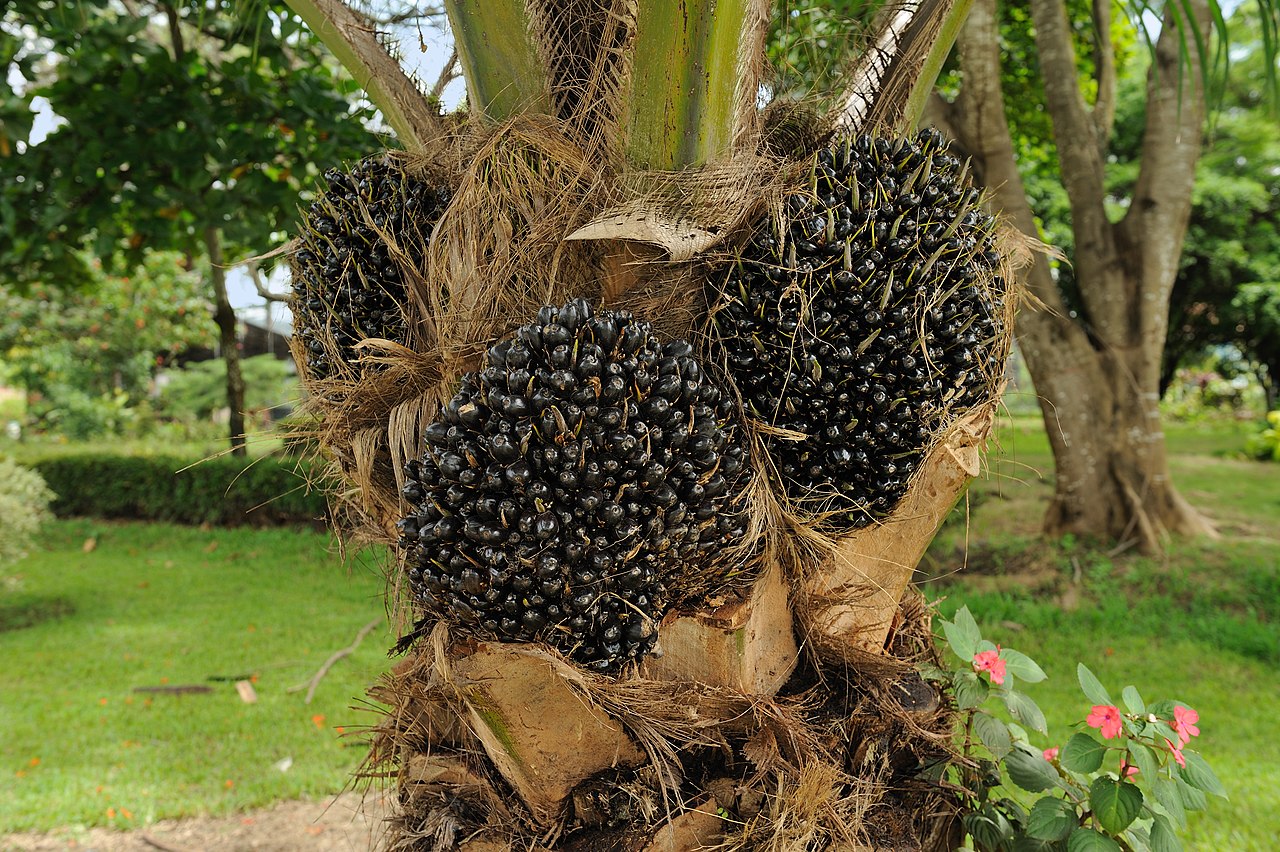
Phoenix dactylifera, commonly known as the date palm, is a flowering-plant species in the palm family Arecaceae, native to the region from the Gulf States to Pakistan. It is cultivated for its edible sweet fruit called dates. The species is widely cultivated across northern Africa, the Middle East, Australia, South and Southeast Asia, Portugal, Spain, coastal Mediterranean basin, and the desert regions of Southern California. It is naturalised in many tropical and subtropical regions worldwide. P. dactylifera is the type species of genus Phoenix, which contains 12–19 species of wild date palms.
Where it grows
Source: FAO STAT — Crops and Livestock Products, 2024
Things worth knowing
- 01
The date palm, scientific name Phoenix dactylifera, is a flowering-plant species belonging to the palm family Arecaceae.
- 02
This exotic fruit is cultivated for its edible sweet dates, with a significant world production of 9.9 million tonnes.
- 03
Saudi Arabia is currently identified as the top producer of dates, according to data from FAO in 2024.
- 04
Despite being widely cultivated across many regions, the exact native region of the date palm remains unknown.
- 05
Dates are broadly cultivated across northern Africa, the Middle East, Australia, South and Southeast Asia, and parts of Europe.
Health & nutrition
- Dates are a good source of dietary fiber, providing 6.70g per 100g, which may support digestive health.
- With 696mg of potassium per 100g, dates are a notable source of this essential mineral.
- The fruit contains 277 kcal per 100g, offering a concentrated source of energy for the body.
- Dates contain 66.50g of sugar per 100g, contributing to their natural sweetness and energy content.
- Their nutritional profile, including fiber and potassium, may contribute to overall well-being as part of a balanced diet.
Informational only · not medical advice
Culinary uses
The date palm is cultivated specifically for its edible sweet fruit, known simply as dates. These fruits are widely enjoyed for their natural sweetness and are consumed both fresh and dried. Dates can be incorporated into various dishes, serving as a popular ingredient in desserts, baked goods, and as a natural sweetener. They are a staple in many cuisines globally, particularly across northern Africa and the Middle East.