Palm Fruit
Borassus flabellifer
- Energy
- 24kcal
- Native
- —
- Top Producer
- —
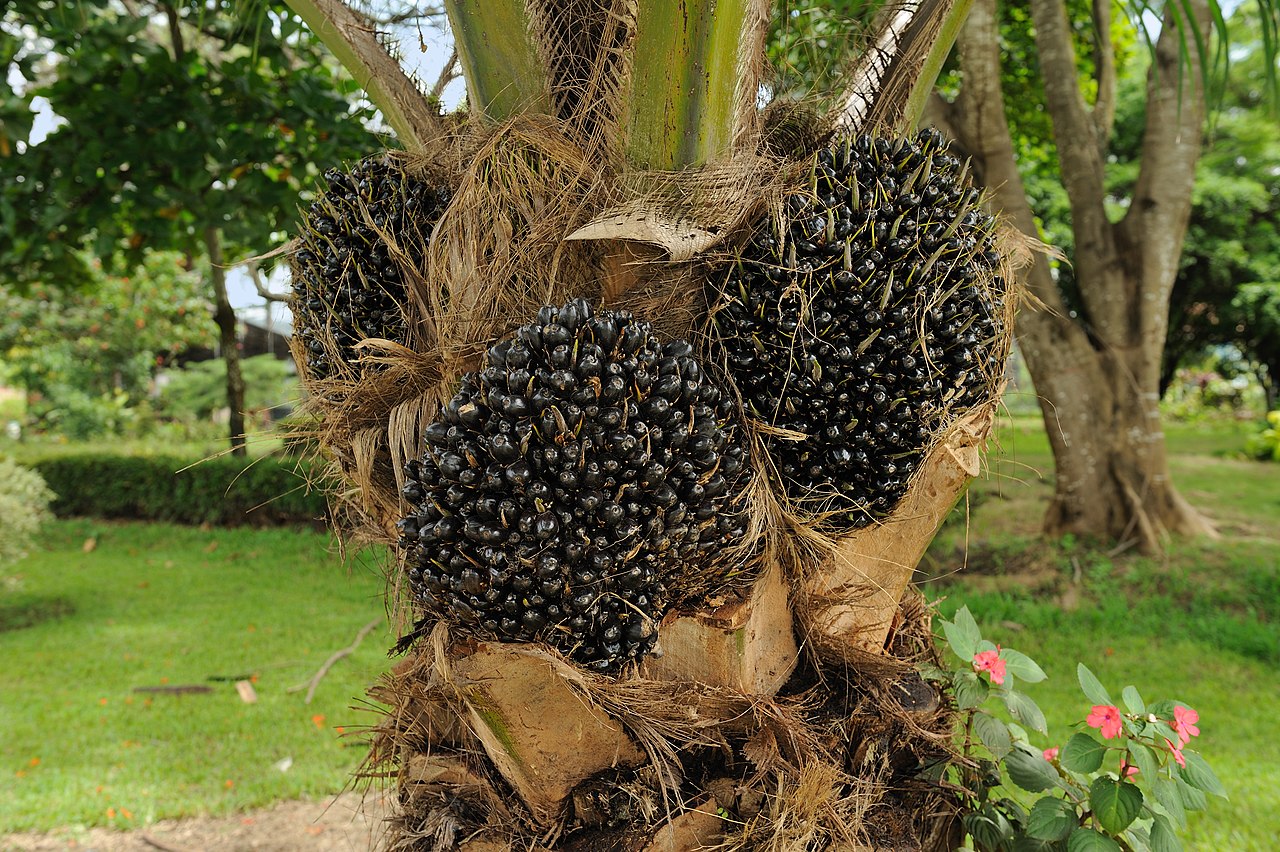
Photo: Cayambe · CC BY-SA 3.0
Where it comes from
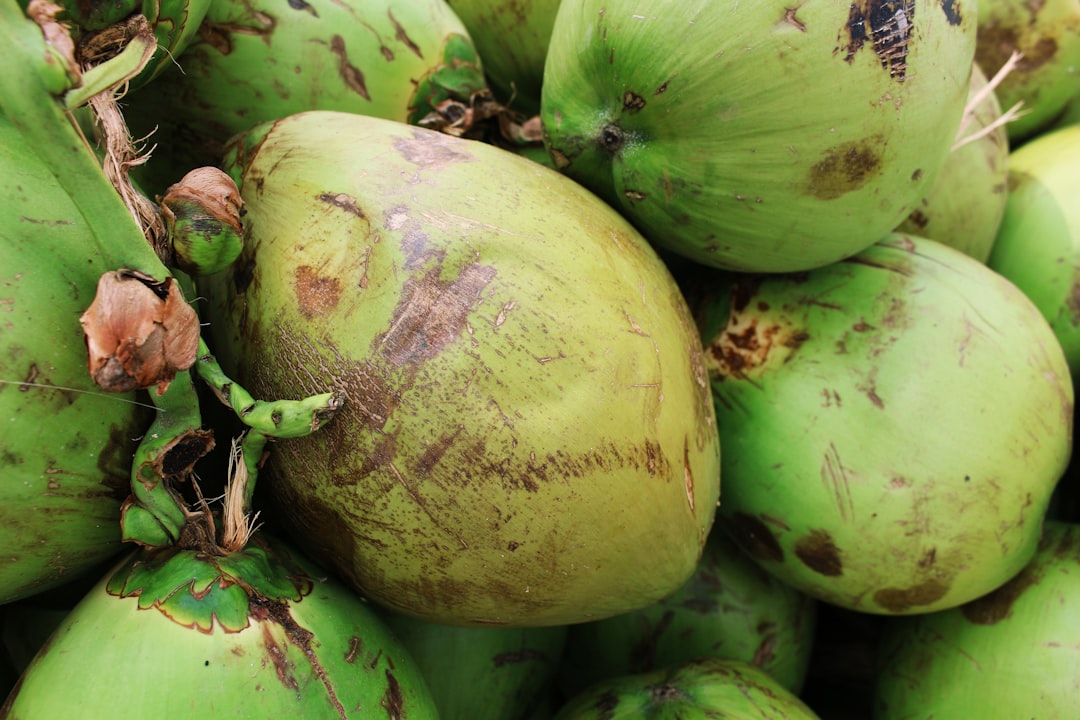
Borassus flabellifer, commonly known as doub palm, palmyra palm, tala, tal palm, toddy palm, lontar palm, wine palm, or ice apple, is a fan palm native to South Asia and Southeast Asia. It is reportedly naturalized in Socotra.
Things worth knowing
- 01
The palm fruit, also called ice apple, grows on the Borassus flabellifer, a type of fan palm native to South and Southeast Asia.
- 02
This versatile palm tree is known by many names, including doub palm, tala palm, and wine palm, highlighting its cultural significance.
- 03
While its native region is unknown, the palm fruit has naturalized in places like Socotra, indicating its adaptability.
- 04
Despite its sweet-sounding name, palm fruit is quite low in sugar, containing only 0.19 grams per 100 grams.
- 05
Palm fruit offers a modest amount of Vitamin C, with 0.25 milligrams per 100 grams, contributing to its nutritional profile.
Health & nutrition
- Palm fruit is a source of dietary fiber, which may support healthy digestion.
- It contains potassium, an essential mineral that may play a role in maintaining fluid balance.
- The fruit provides a small amount of Vitamin C, an antioxidant that may help protect cells.
- With only 24 kcal per 100g, palm fruit can be a low-calorie addition to meals.
- Its fiber content might contribute to feelings of fullness, potentially aiding in appetite management.
Informational only · not medical advice
Culinary uses
Palm fruit is enjoyed in various ways across South and Southeast Asia. The translucent jelly-like flesh, known as ice apple, is often eaten fresh as a cooling treat, especially in summer. It can also be used in desserts, drinks, and jams, adding a unique texture and subtle sweetness to regional dishes.