Blackberry
Rubus fruticosus
- Energy
- 54kcal
- Native
- —
- Top Producer
- IND
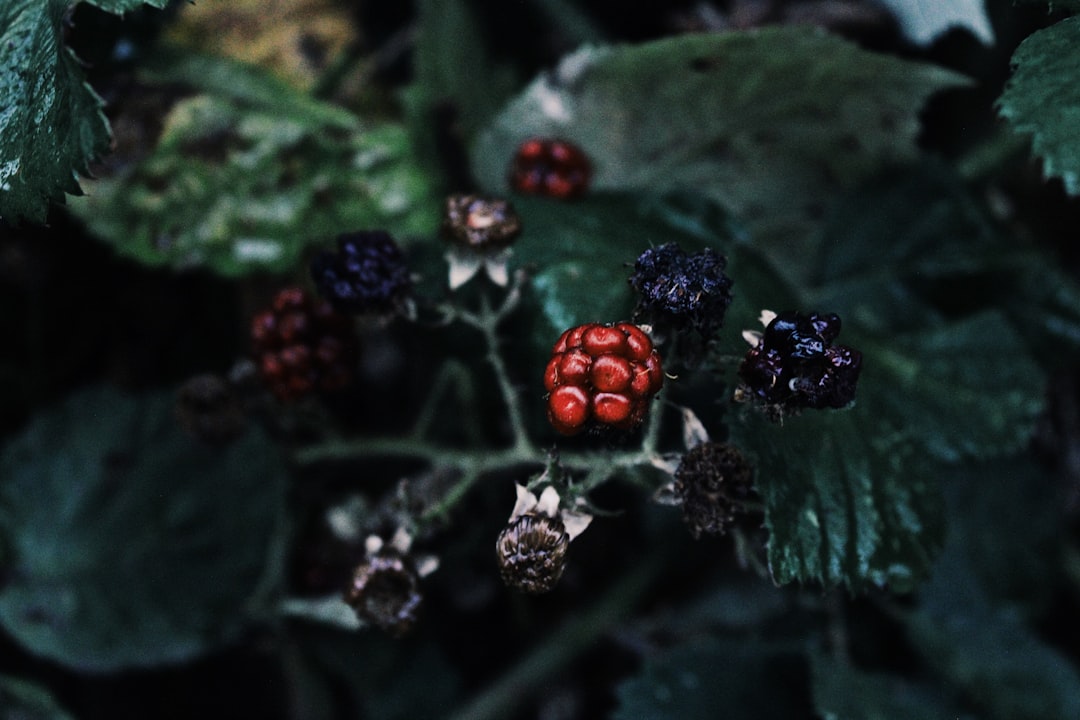
Photo: Ava Tyler · Unsplash License
Where it comes from
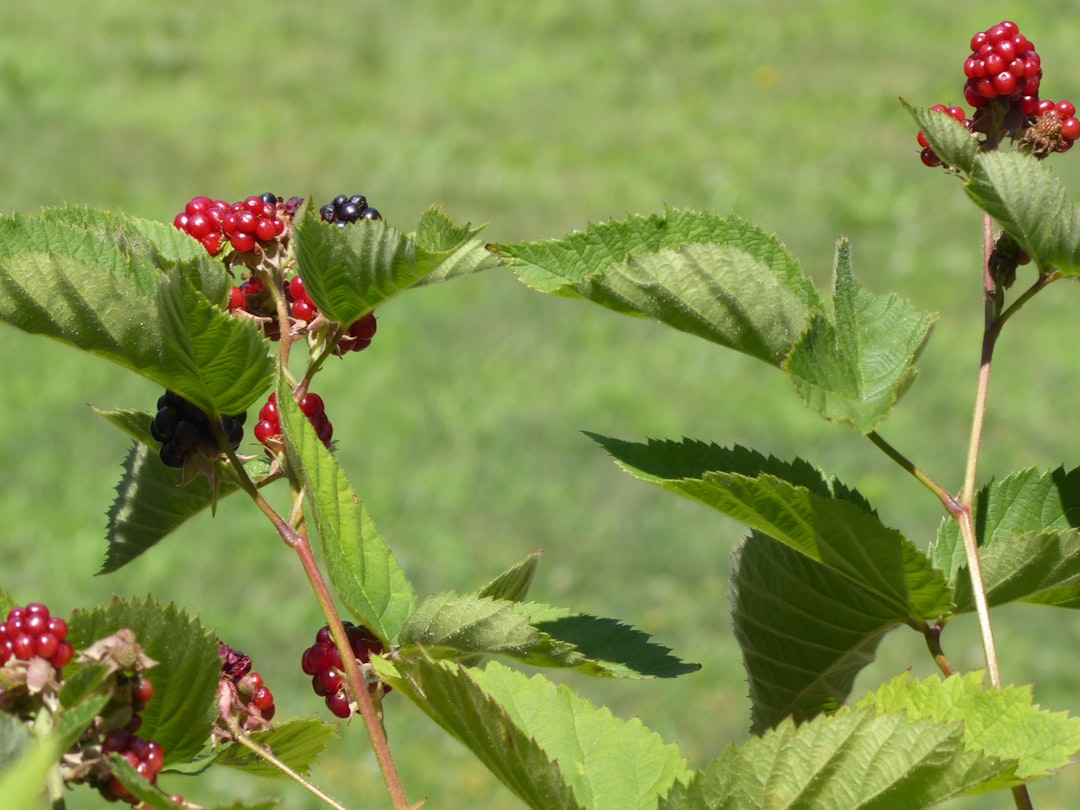
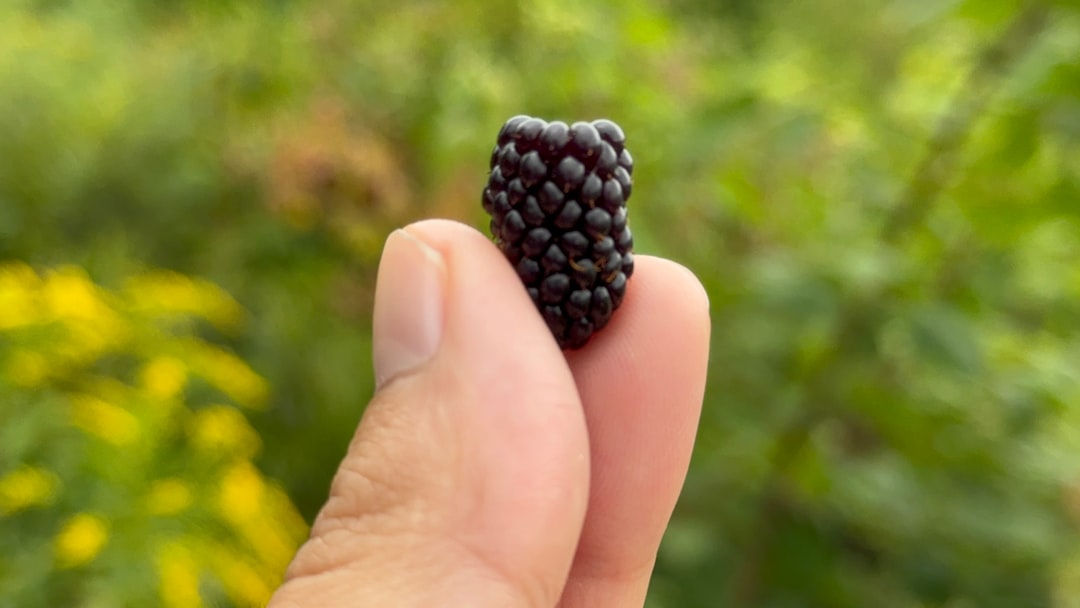
The blackberry is an edible fruit produced by many species in the genus Rubus in the family Rosaceae, hybrids among these species within the subgenus Rubus, and hybrids between the subgenera Rubus and Idaeobatus. The taxonomy of blackberries has historically been confused because of hybridization and apomixis so that species have often been grouped together and called species aggregates.
Where it grows
Note · Inside FAO 'Other fruits'
Source: FAO STAT — Crops and Livestock Products, 2024
Things worth knowing
- 01
Blackberries, belonging to the Rosaceae family, are the edible fruits of many species within the Rubus genus.
- 02
The exact native region of the blackberry remains a botanical mystery, adding to its intriguing history.
- 03
Blackberry taxonomy has historically been complex due to frequent hybridization and apomixis among species.
- 04
A 100-gram serving of blackberries provides a modest 54 kilocalories of energy.
- 05
India is currently the top global producer of blackberries, contributing significantly to world production.
Health & nutrition
- Blackberries are a source of dietary fiber, which may support digestive health.
- These berries contain Vitamin C, an antioxidant that may contribute to immune system function.
- The potassium content in blackberries may play a role in maintaining healthy fluid balance.
- As a berry, blackberries are a source of various beneficial plant compounds.
- The fiber and modest calorie count may support a balanced dietary approach.
Informational only · not medical advice
Culinary uses
Blackberries are enjoyed worldwide for their tart and sweet flavor. They are commonly used in desserts like pies, crumbles, and jams, adding a burst of flavor and color. Regionally, they are also incorporated into savory dishes, sauces, and beverages, showcasing their versatility in global cuisine.