Maqui Berry
Aristotelia chilensis
- Energy
- 69kcal
- Native
- —
- Top Producer
- —
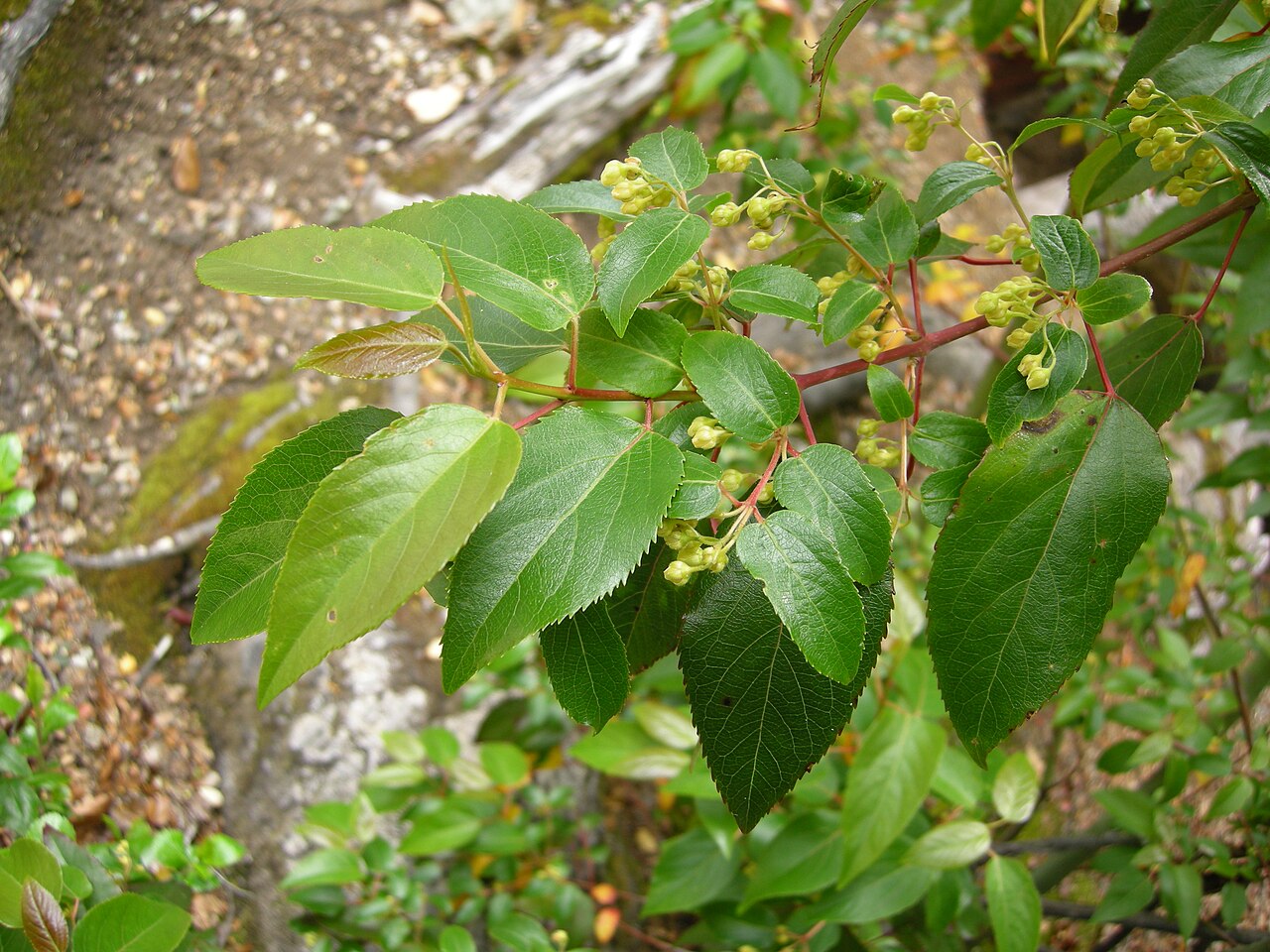
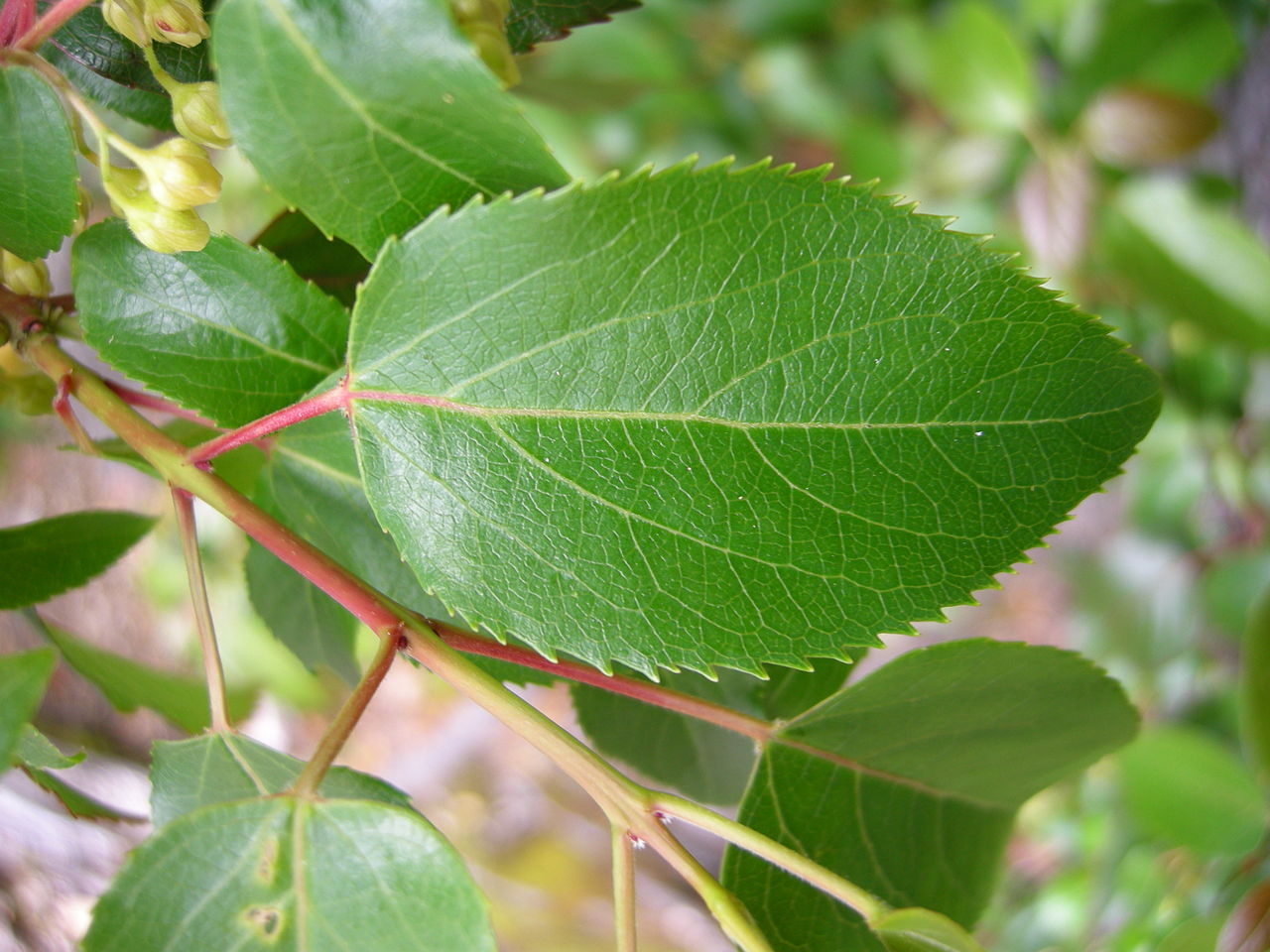
Photo: Gagea · CC BY-SA 3.0
Where it comes from
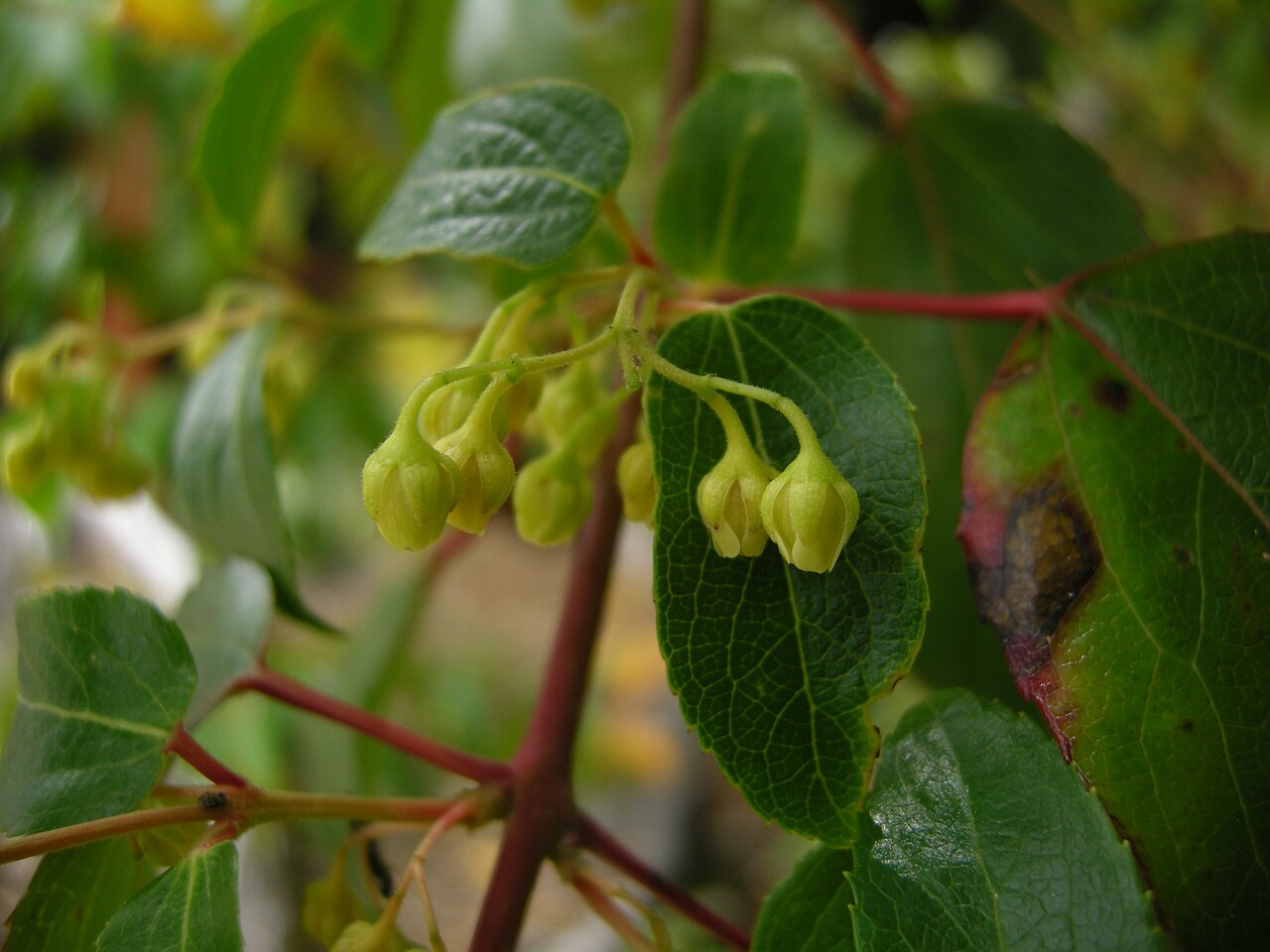
Aristotelia chilensis, known as maqui or Chilean wineberry, is a tree species in the Elaeocarpaceae family native to South America in the Valdivian temperate forests of Chile and adjacent regions of southern Argentina. Limited numbers of these trees are cultivated in gardens for their small edible fruits. Wild-harvested fruits are commercially marketed.
Things worth knowing
- 01
The maqui berry, scientifically named Aristotelia chilensis, is a small edible fruit from a tree native to South America.
- 02
This berry belongs to the Elaeocarpaceae family, a group known for its diverse plant species.
- 03
While not widely cultivated, maqui trees are sometimes grown in gardens for their desirable small fruits.
- 04
The wild-harvested maqui berries are an important commercial product in their native regions.
- 05
Maqui berries are a good source of dietary fiber, contributing to their unique nutritional profile.
Health & nutrition
- Maqui berries are a good source of Vitamin C, which may support a healthy immune system.
- These berries provide dietary fiber, which may aid in digestive health.
- The potassium content in maqui berries may contribute to maintaining healthy blood pressure levels.
- As a source of antioxidants, maqui berries may help protect cells from damage.
- The natural sugars in maqui berries provide a source of energy.
Informational only · not medical advice
Culinary uses
Globally, maqui berries are often processed into juices, powders, and supplements due to their vibrant color and nutritional content. Regionally, in Chile and Argentina, they are traditionally consumed fresh or used in jams and desserts. Their tart flavor makes them a versatile ingredient in smoothies, yogurts, and baked goods, adding both color and a unique taste.