Karonda
Carissa carandas
- Energy
- 34kcal
- Native
- —
- Top Producer
- —
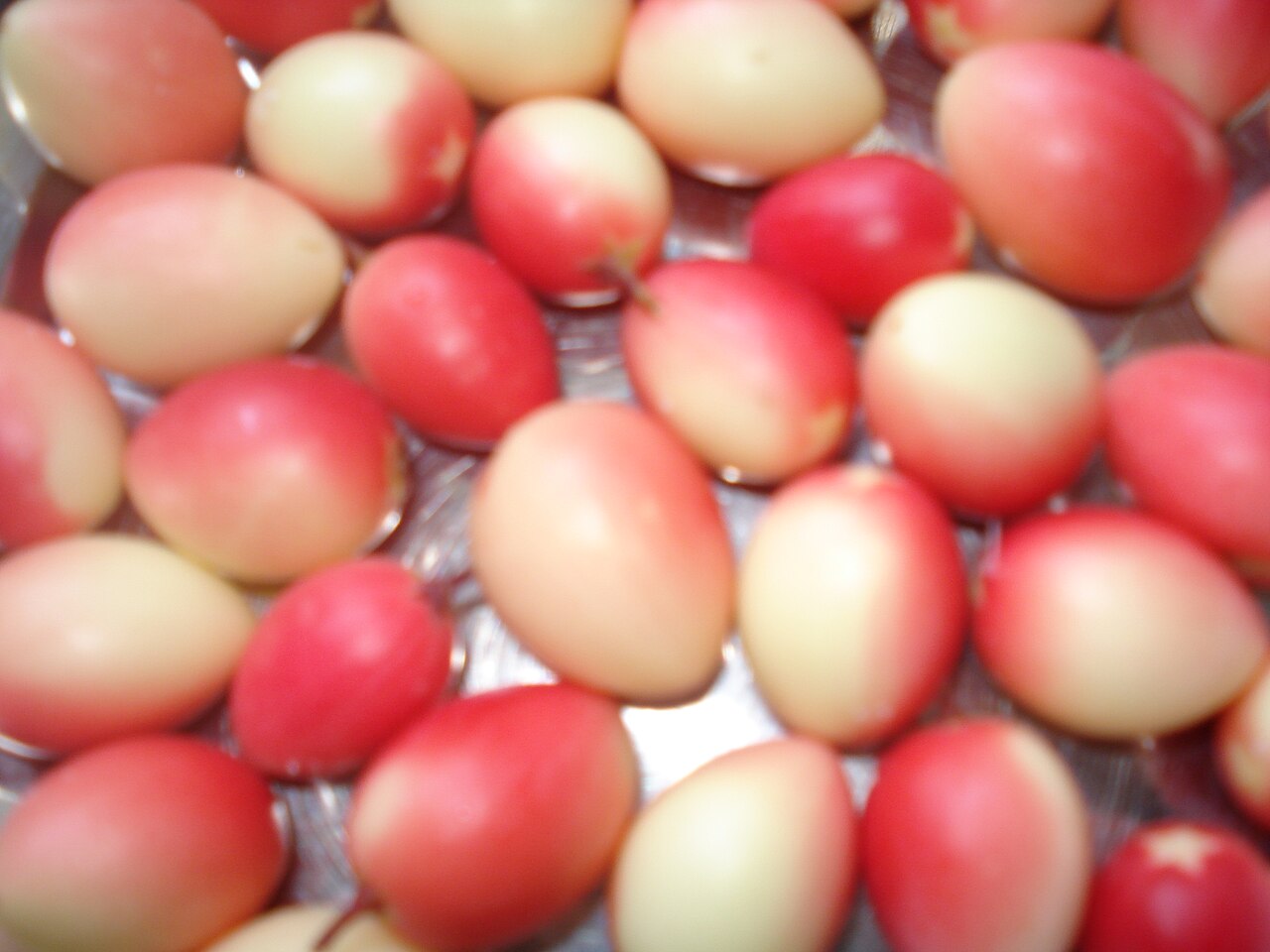
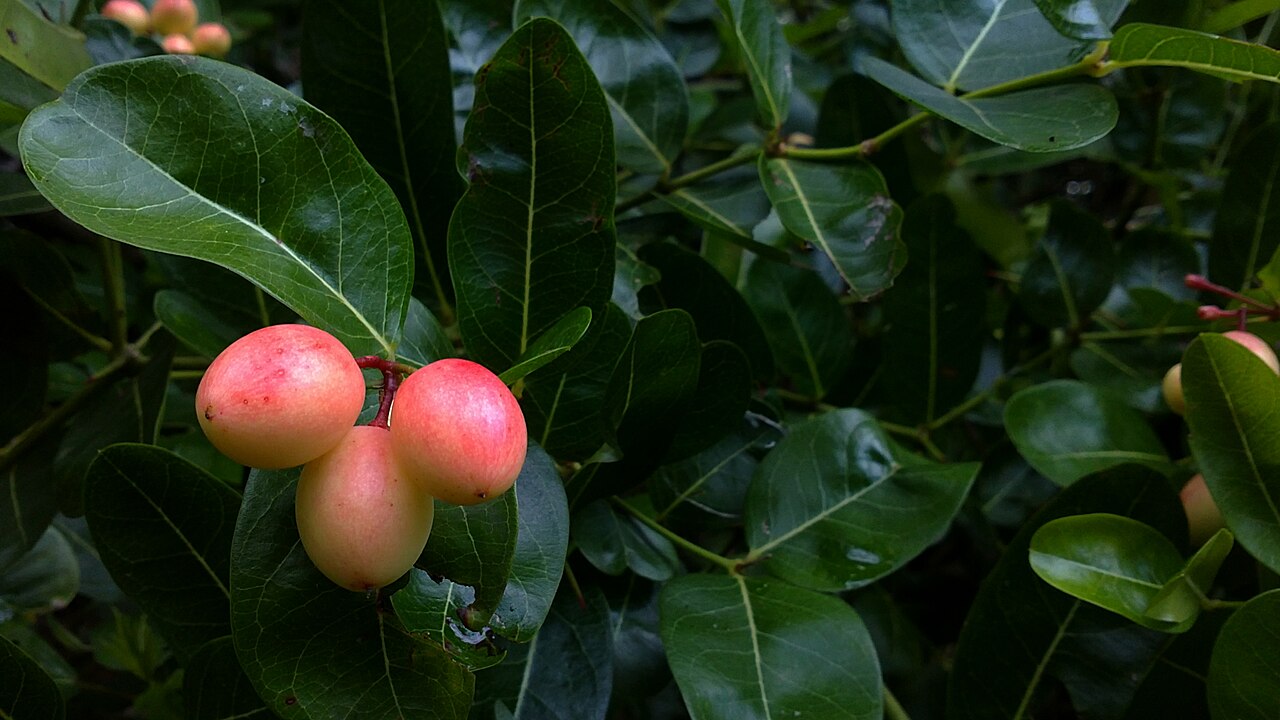
Photo: LRBurdak · CC BY-SA 3.0
Where it comes from
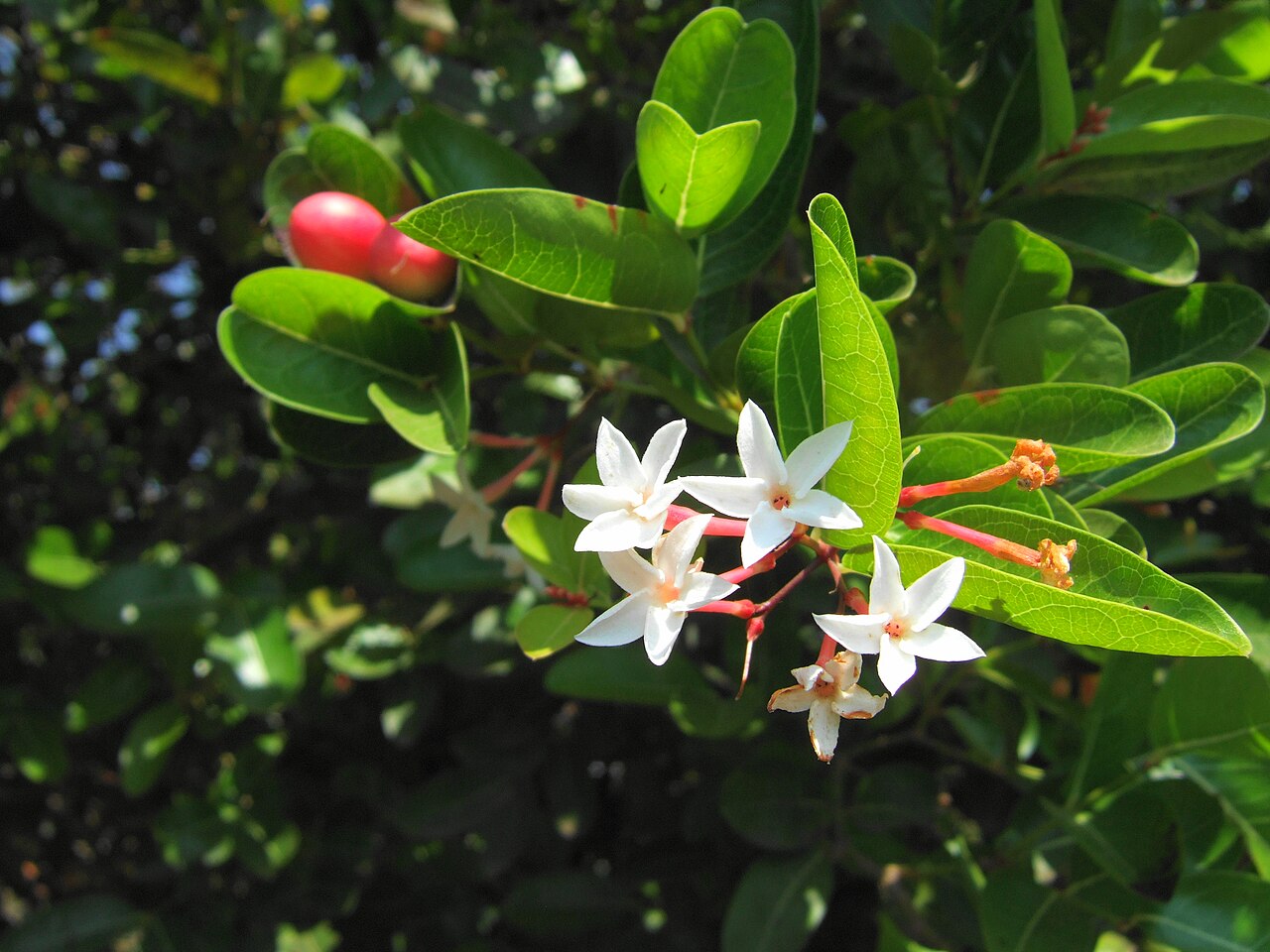
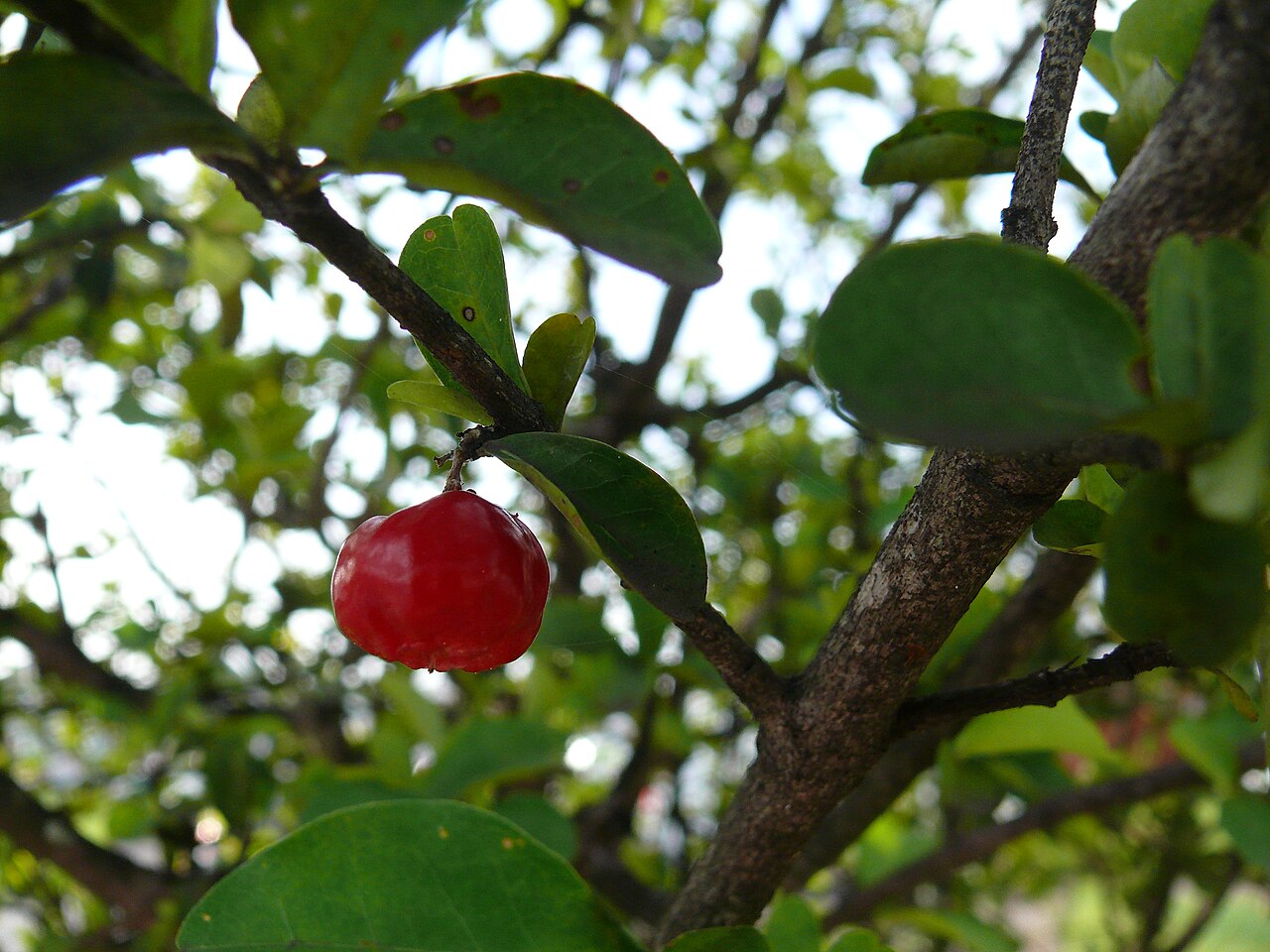
Carissa carandas is a species of flowering shrub in the family Apocynaceae. It produces berry-sized fruits that are commonly used as a condiment in Indian pickles and spices. The fruit is black and tastes sweet or sour depending on the plant. It is a hardy, drought-tolerant plant that thrives well in a wide range of soils. Common names in English include Bengal currant, Christ's thorn, Carandas plum, Karonda, Karvanda and Kanna.
Things worth knowing
- 01
The Karonda fruit, scientifically known as Carissa carandas, is a fascinating member of the Apocynaceae family of flowering plants.
- 02
This hardy shrub is remarkably drought-tolerant, allowing it to flourish in diverse soil conditions across various regions.
- 03
Karonda fruits can vary in taste, offering a delightful sweet or a tangy sour flavor profile depending on the specific plant.
- 04
These berry-sized fruits are a vibrant black when ripe, adding visual appeal to their culinary applications.
- 05
While its native region is unknown, this exotic fruit has found a cherished place in global food traditions.
Health & nutrition
- Karonda is a good source of Vitamin C, which may support immune function.
- With 7.25g of fiber per 100g, it may contribute to digestive health.
- The fruit provides potassium, an essential mineral that may play a role in maintaining healthy blood pressure.
- Its low sugar content of 1.75g per 100g makes it a potentially suitable option for mindful consumption.
- The presence of antioxidants in Karonda may help protect the body's cells from damage.
Informational only · not medical advice
Culinary uses
Karonda fruits are frequently utilized as a zesty condiment in Indian pickles and spice blends, lending a unique sweet or sour note. Beyond India, these versatile fruits are finding their way into global cuisines, appreciated for their distinctive flavor. They can be incorporated into chutneys, jams, and even desserts, offering an exotic twist.