Acerola
Malpighia emarginata
- Energy
- 32kcal
- Native
- —
- Top Producer
- —
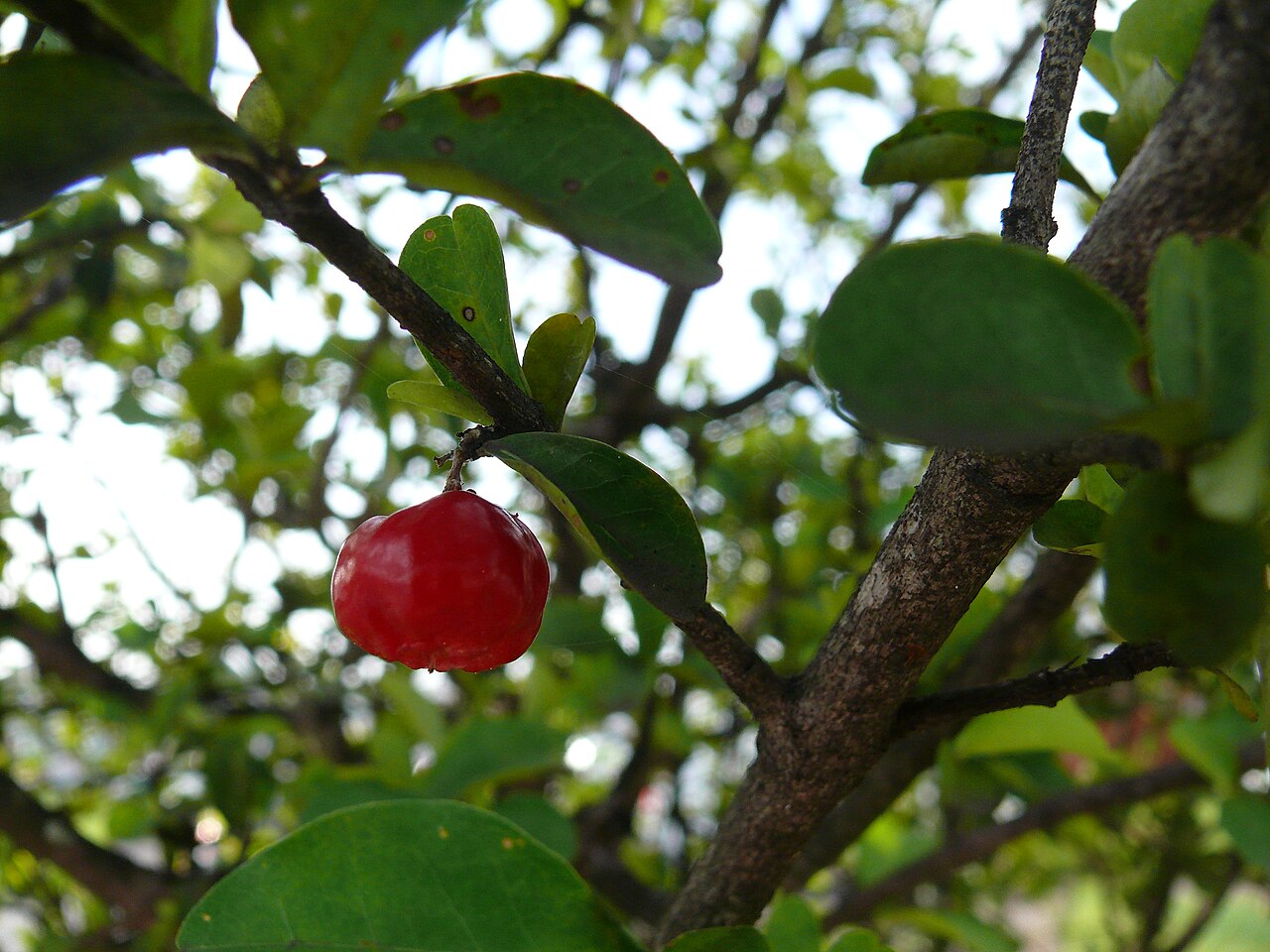
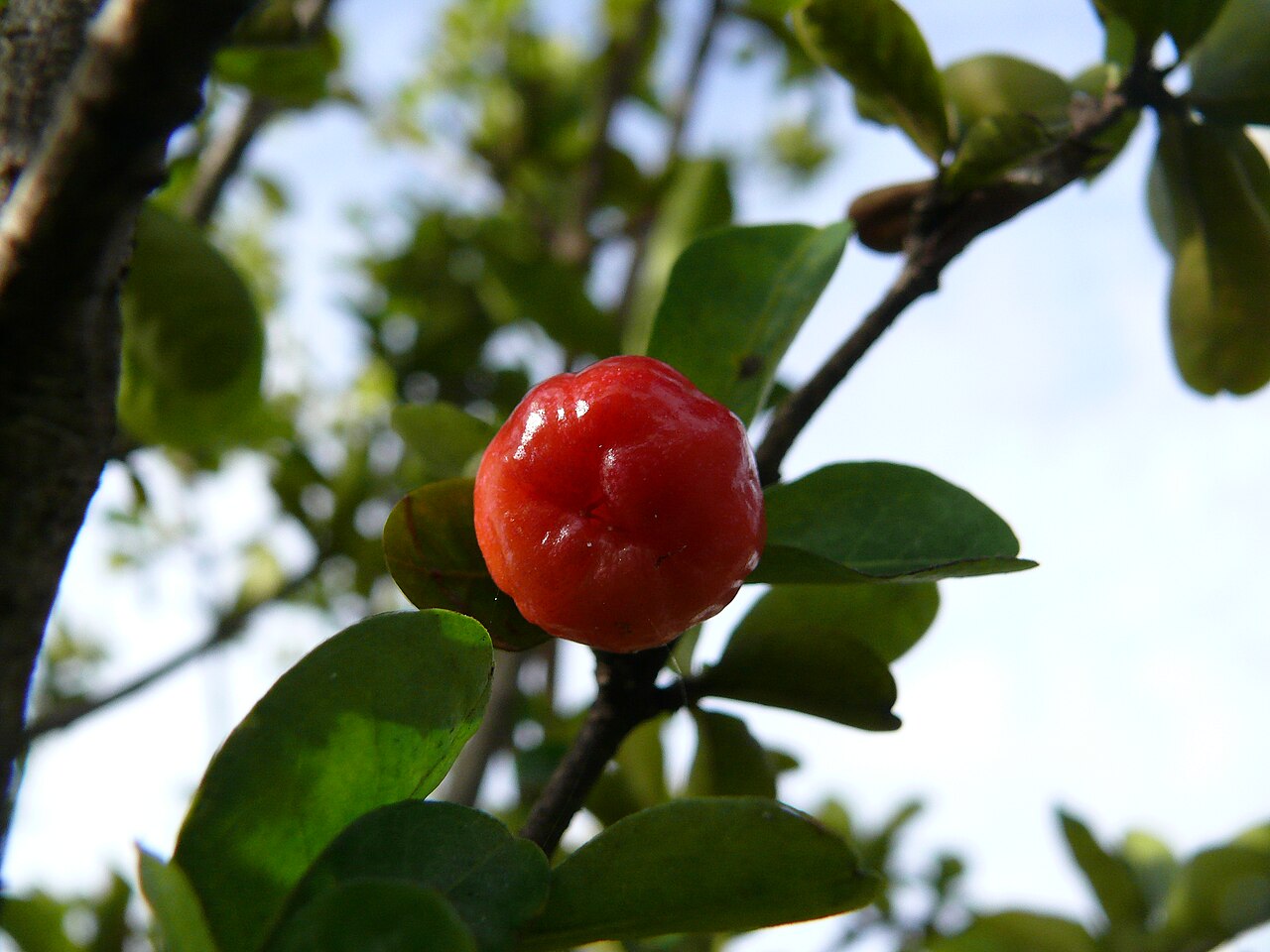
Photo: User:Arria Belli · CC BY-SA 4.0
Where it comes from
Malpighia emarginata is a tropical fruit-bearing shrub or small tree in the family Malpighiaceae native to the Neotropics. The fruit is notable for its exceptional richness in vitamin C and versatility in various food preparations.
Things worth knowing
- 01
The Acerola cherry, scientifically known as Malpighia emarginata, is a tropical fruit with an extraordinary vitamin C content.
- 02
While often called a cherry, this exotic fruit actually belongs to the Malpighiaceae family, not the Rosaceae family of true cherries.
- 03
The native region of the Acerola is not definitively known, adding a touch of mystery to this remarkable fruit.
- 04
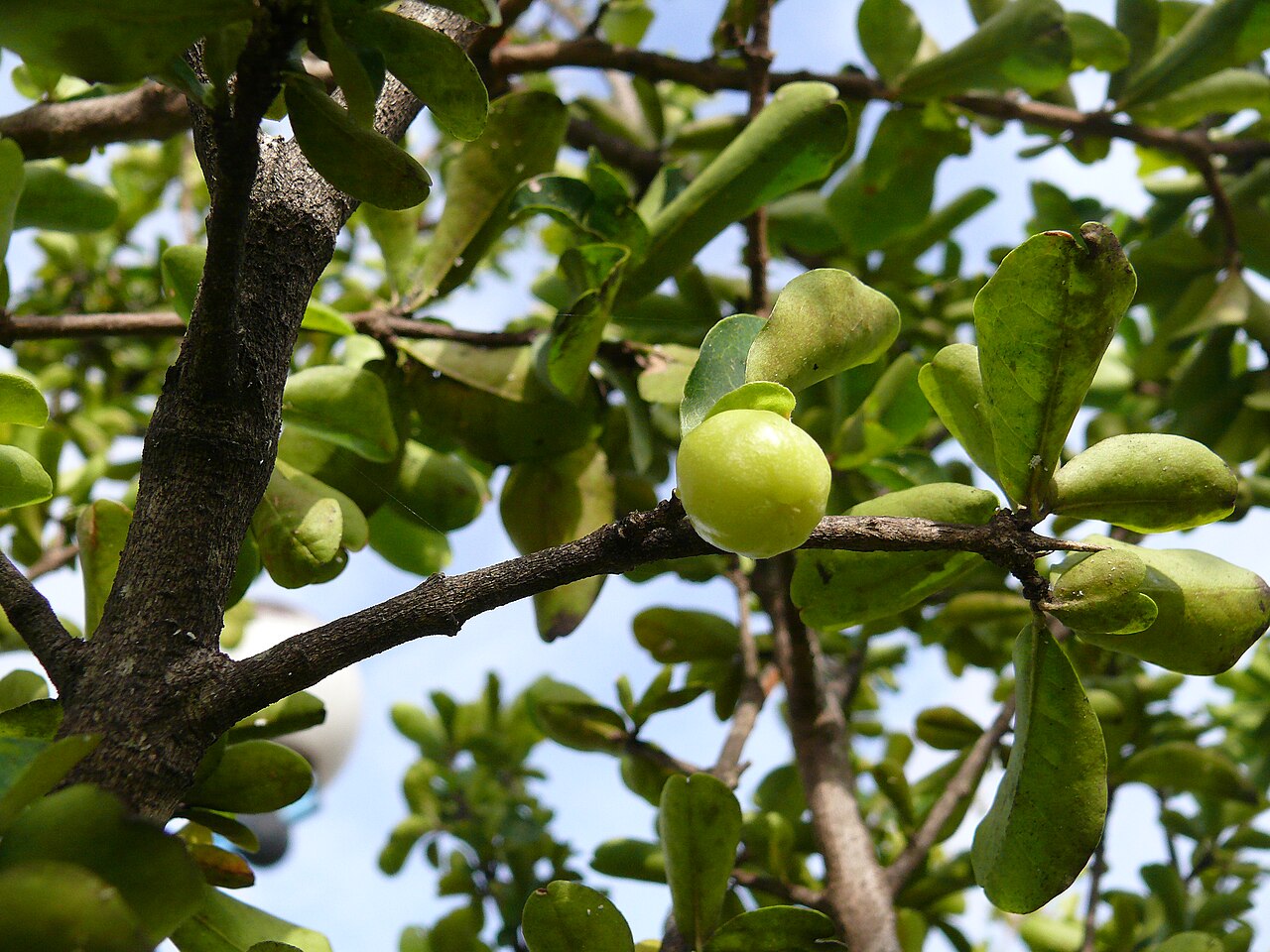
This small tree or shrub produces bright red fruits that are a powerhouse of nutrients and flavor.
- 05
Acerola's exceptional vitamin C levels make it a highly sought-after ingredient in various food and beverage applications worldwide.
Health & nutrition
- Acerola is an excellent source of vitamin C, which may support a healthy immune system.
- The fiber content in Acerola may contribute to digestive wellness.
- Potassium found in Acerola is a mineral that may help maintain healthy blood pressure levels.
- As a source of antioxidants, Acerola may help protect the body's cells from damage.
- This fruit provides a significant amount of vitamin C, which is essential for collagen production in the skin.
Informational only · not medical advice
Culinary uses
Acerola's tart flavor and high vitamin C content make it incredibly versatile in the kitchen. It is widely used in juices, jams, jellies, and sauces, particularly in Latin America and the Caribbean. The fruit can also be incorporated into smoothies, desserts, and even savory dishes, adding a unique tangy note and nutritional boost. Its vibrant color also makes it an attractive addition to various culinary creations.