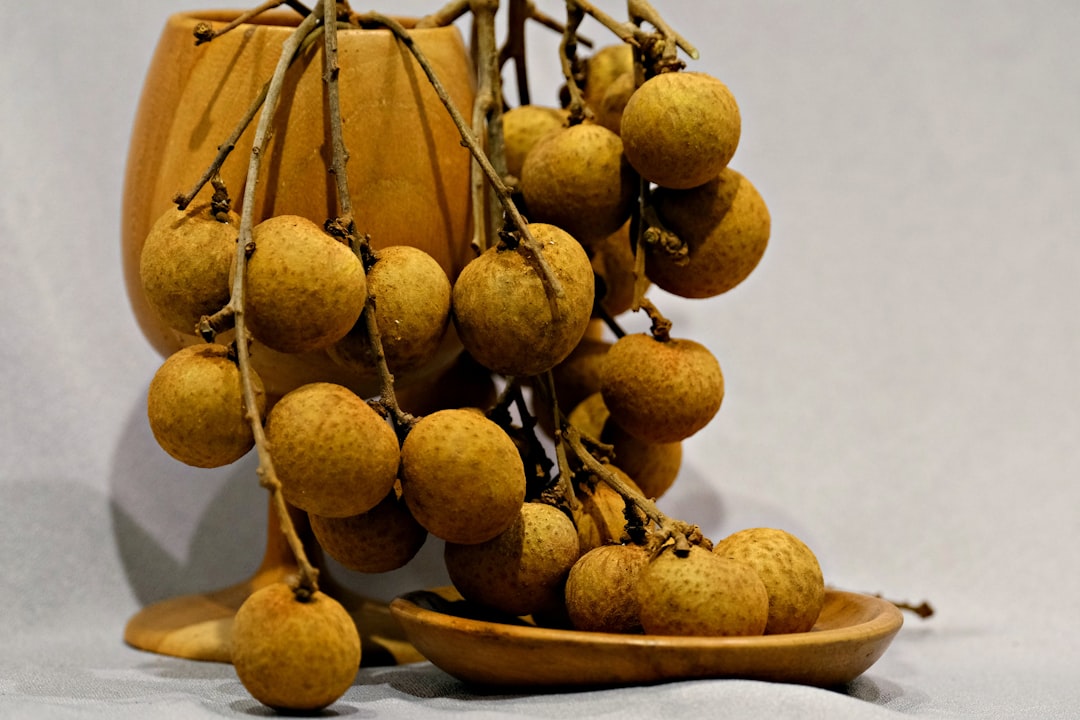
Lychee
Litchi chinensis
- Energy
- 54kcal
- Native
- —
- Top Producer
- CHN
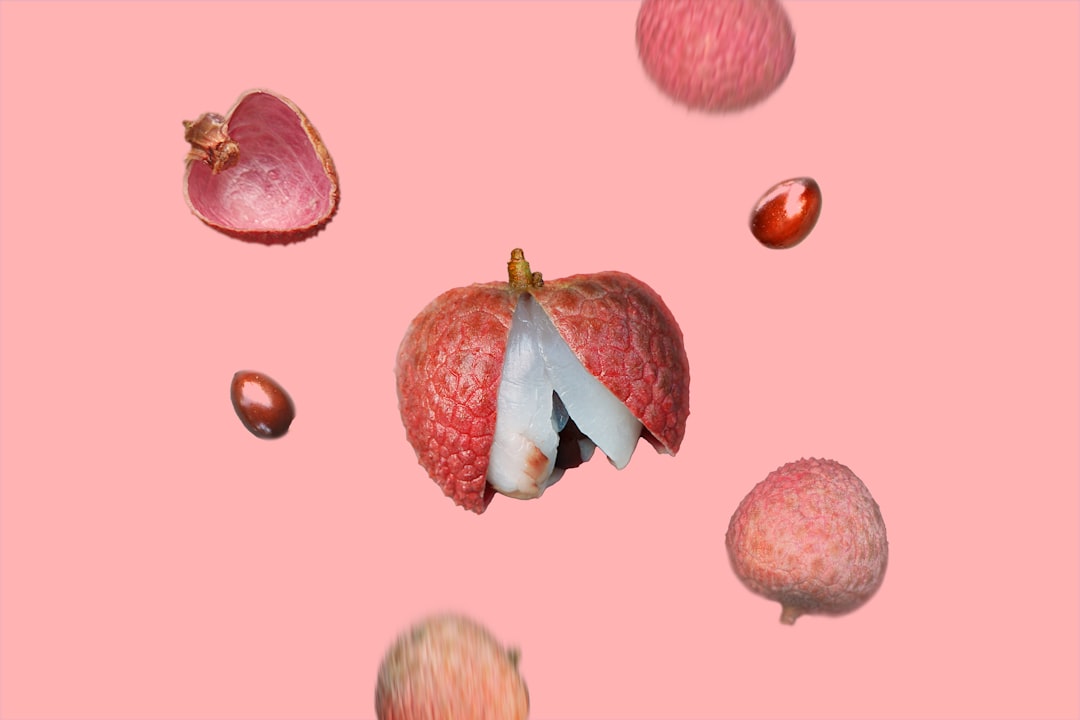
Photo: Isaac N.C. · Unsplash License
Where it comes from
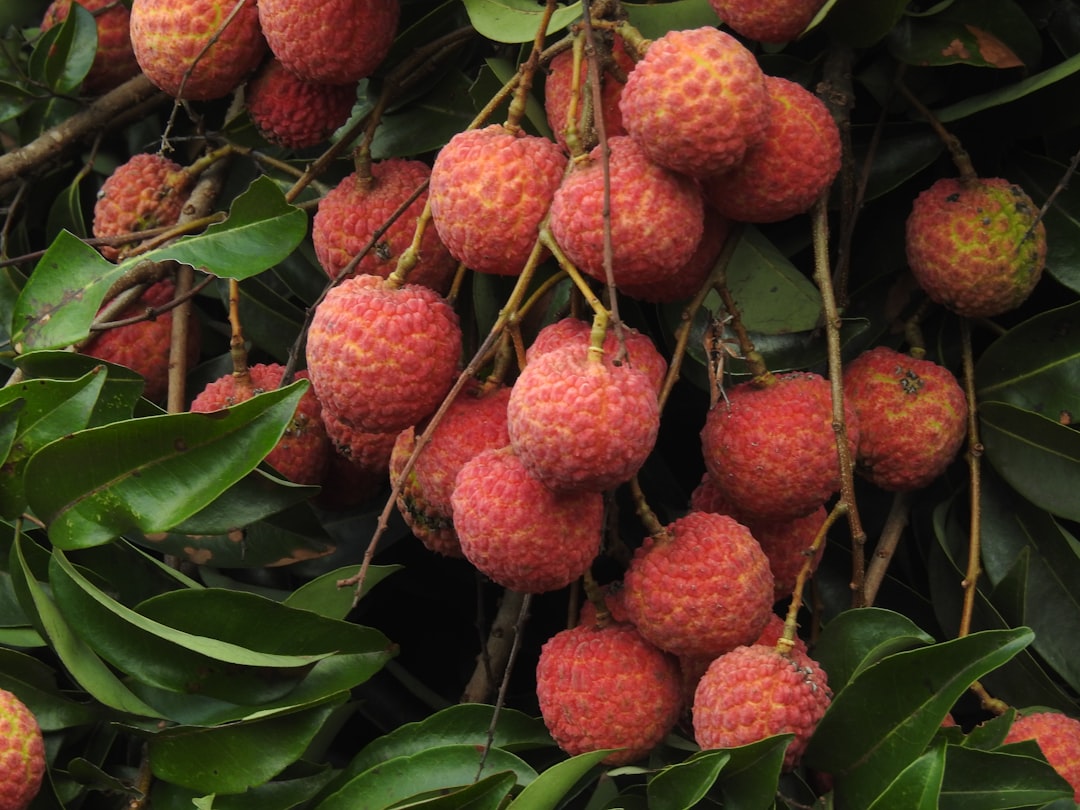
Lychee is a monotypic taxon and the sole member in the genus Litchi in the soapberry family, Sapindaceae. The fruit is edible and has a sweet, mildly tart flavor and a distinctive floral aroma often described as rose-like.
Where it grows
Note · FAO 'Other tropical fruits'
Source: FAO STAT — Crops and Livestock Products, 2024
Things worth knowing
- 01
Lychee, scientifically known as Litchi chinensis, is the only species in its genus, belonging to the soapberry family, Sapindaceae.
- 02
This exotic fruit, native to an unknown region, boasts a sweet and mildly tart flavor with a unique floral aroma.
- 03
The scent of lychee is often compared to the delicate fragrance of roses, adding to its appeal.
- 04
China is the top producer of lychees, contributing significantly to the global production of nearly 24 million tonnes.
- 05
Lychee is a delightful tropical treat, cherished worldwide for its distinctive taste and fragrant qualities.
Health & nutrition
- Lychee is a good source of Vitamin C, which may support a healthy immune system.
- The fruit contains dietary fiber, which may contribute to digestive well-being.
- Lychee provides potassium, an essential mineral that may help maintain fluid balance.
- As a source of antioxidants, lychee may help protect the body's cells from damage.
- Consuming lychee can be part of a balanced diet, offering hydration and nutrients.
Informational only · not medical advice
Culinary uses
Lychee is enjoyed globally for its unique flavor. In China, its native region, it is often eaten fresh or used in desserts and beverages. Lychee's floral notes make it a popular addition to cocktails, sorbets, and fruit salads. It can also be incorporated into savory dishes, adding a touch of sweetness and exotic flair.