Kumquat
Citrus japonica
- Energy
- 71kcal
- Native
- —
- Top Producer
- CHN
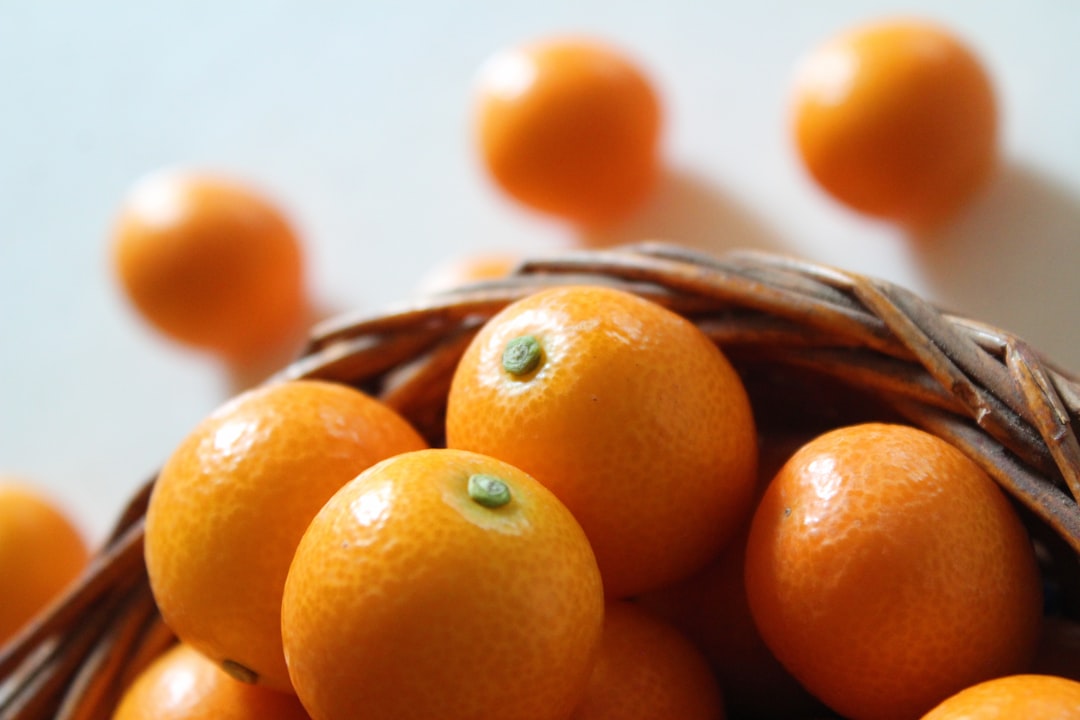
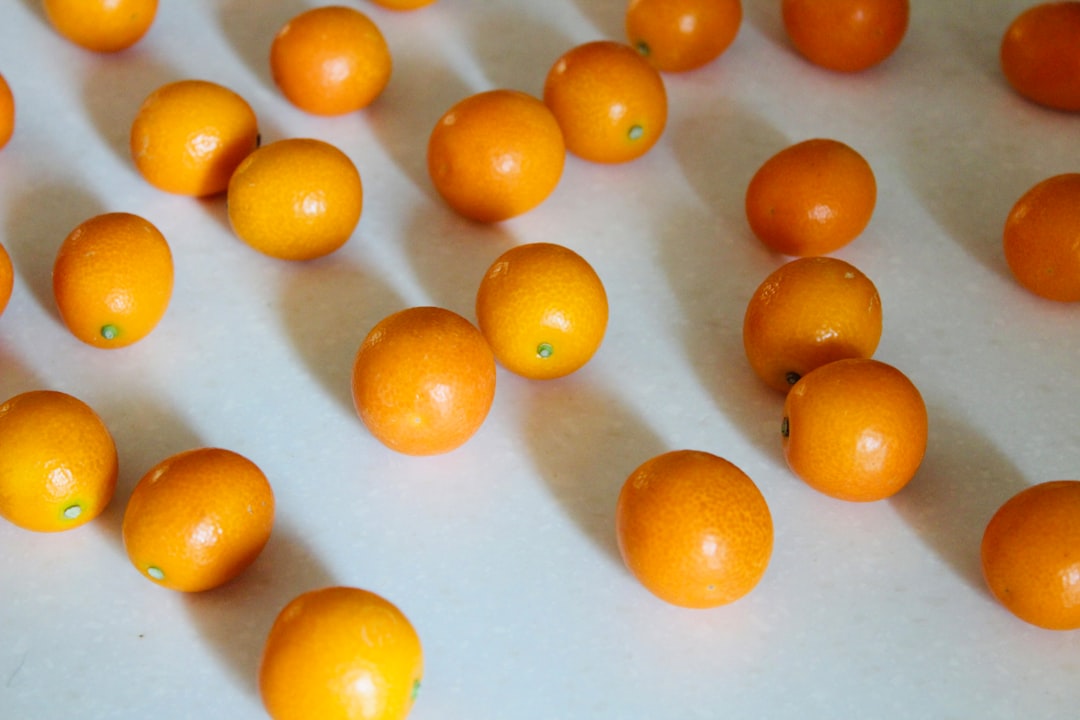
Photo: Rens D · Unsplash License
Where it comes from
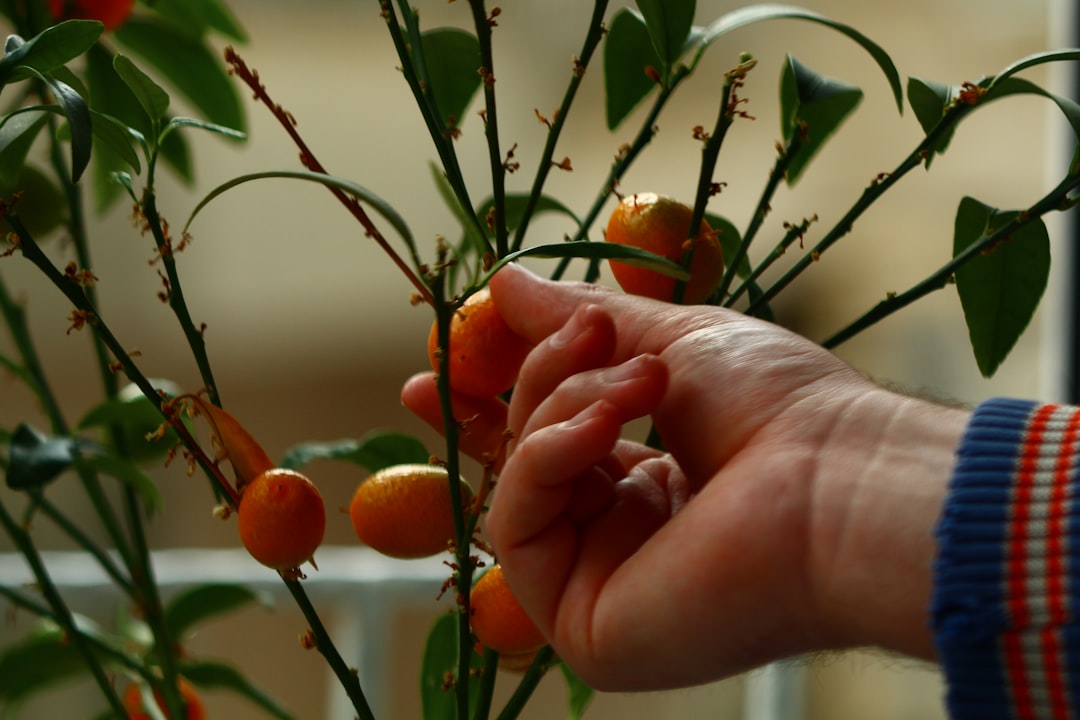
Kumquats, sometimes spelled cumquat, are a group of small, angiosperm, fruit-bearing trees in the family Rutaceae. The edible fruit closely resembles the orange in color, texture, and anatomy, but is much smaller, being approximately the size of a large olive. They are native to southern China but have been cultivated for centuries in Japan and Southeast Asia. The kumquat is a fairly cold-hardy citrus.
Where it grows
Note · FAO 'Other citrus'
Source: FAO STAT — Crops and Livestock Products, 2024
Things worth knowing
- 01
The kumquat, also spelled cumquat, is a small citrus fruit that resembles a tiny orange.
- 02
These oval-shaped fruits are about the size of a large olive and grow on trees in the Rutaceae family.
- 03
While their exact native region is unknown, kumquats have been cultivated for centuries in Japan and other areas.
- 04
China is the top producer of kumquats, contributing significantly to the global production of 13.4 million tonnes.
- 05
Unlike most citrus, the entire kumquat, including the peel, is edible and offers a unique sweet and tart flavor.
Health & nutrition
- Kumquats are a good source of dietary fiber, which may support digestive health.
- This fruit provides vitamin C, an antioxidant that may help protect cells from damage.
- The potassium content in kumquats may play a role in maintaining healthy blood pressure levels.
- As a citrus fruit, kumquats are a source of various beneficial plant compounds.
- Enjoying kumquats as part of a balanced diet may contribute to overall well-being.
Informational only · not medical advice
Culinary uses
Kumquats are enjoyed globally for their distinctive sweet peel and tart flesh. They are often eaten fresh, with the entire fruit being consumed, peel and all. In many regions, kumquats are candied, preserved in syrup, or used to make marmalades and jellies. Their zesty flavor also lends itself well to sauces, dressings, and as a garnish for both sweet and savory dishes.