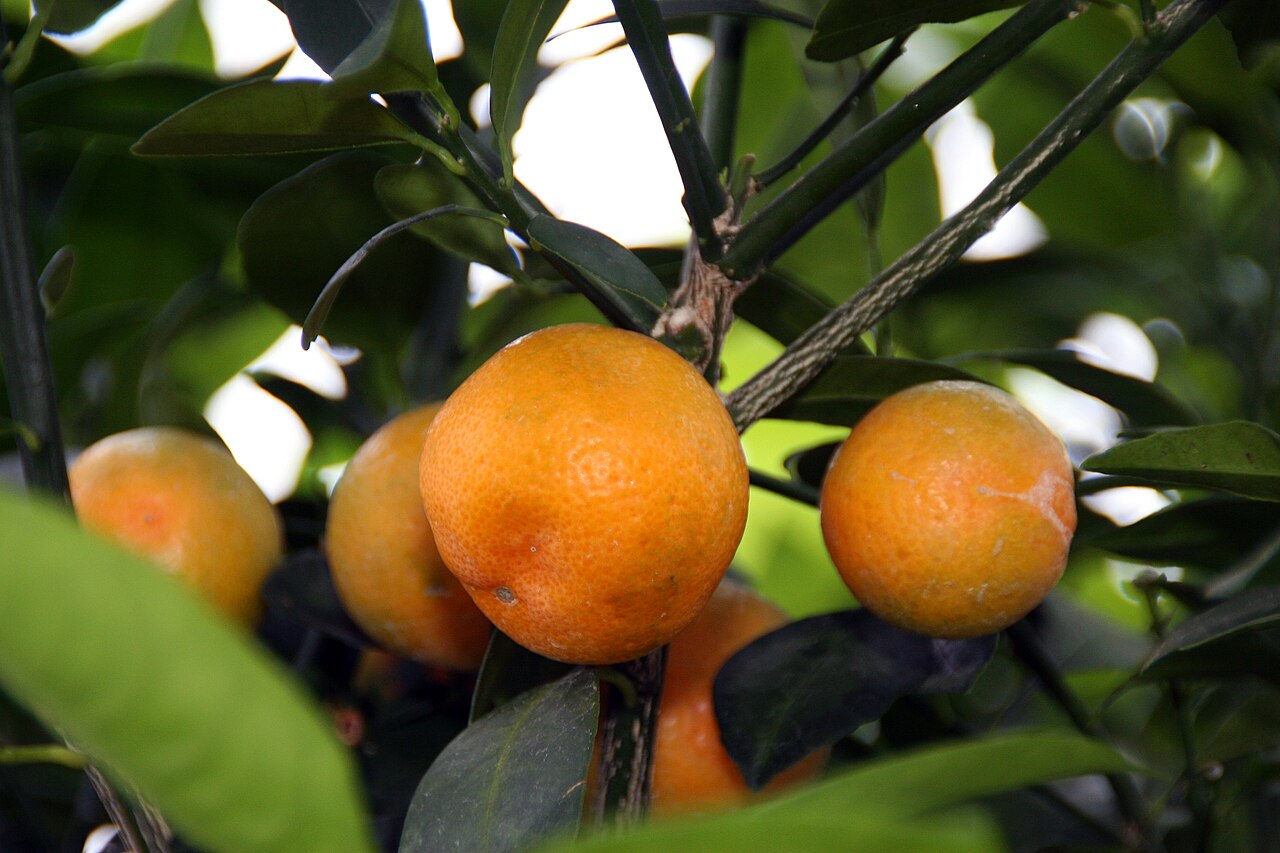
Calamansi
x Citrofortunella microcarpa
- Energy
- 69kcal
- Native
- —
- Top Producer
- CHN
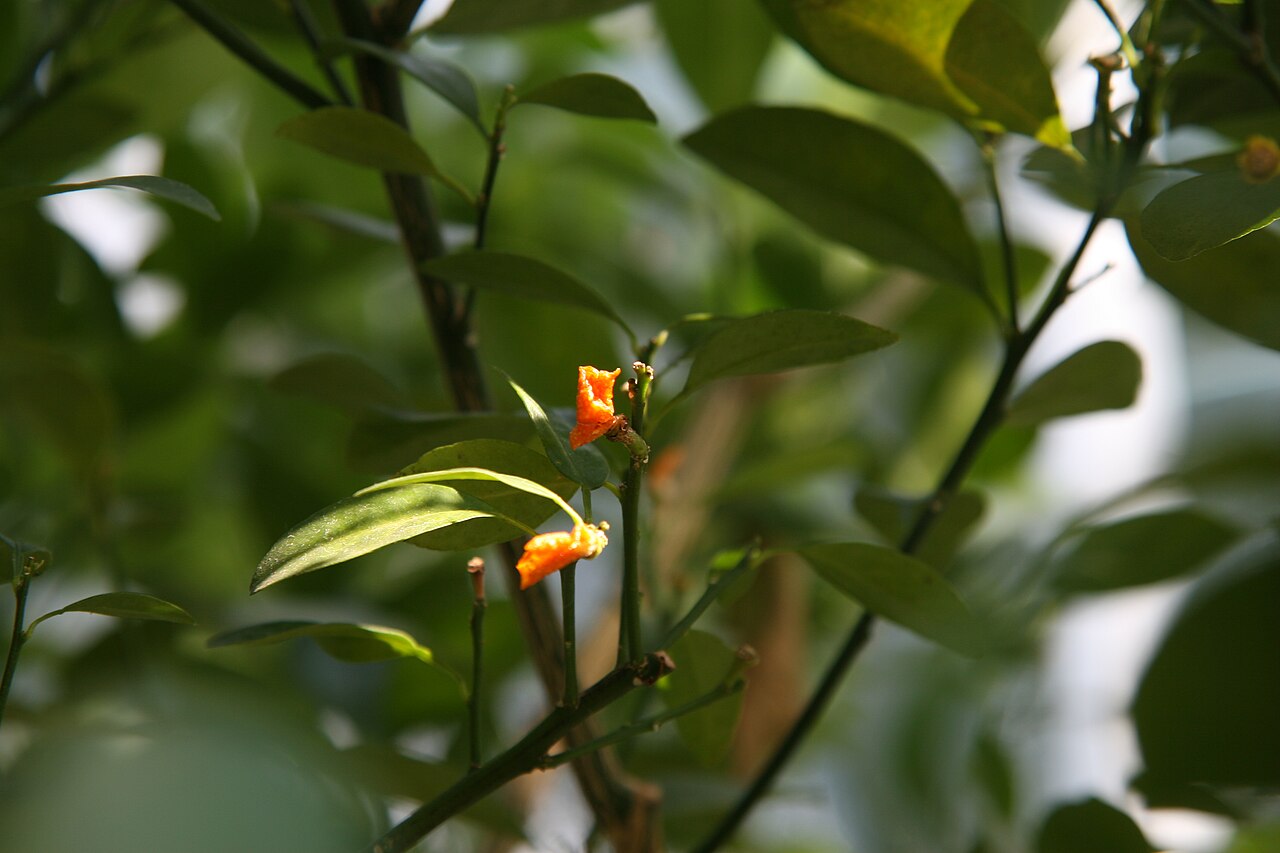
Photo: Photo by David J. Stang · CC BY-SA 4.0
Where it comes from
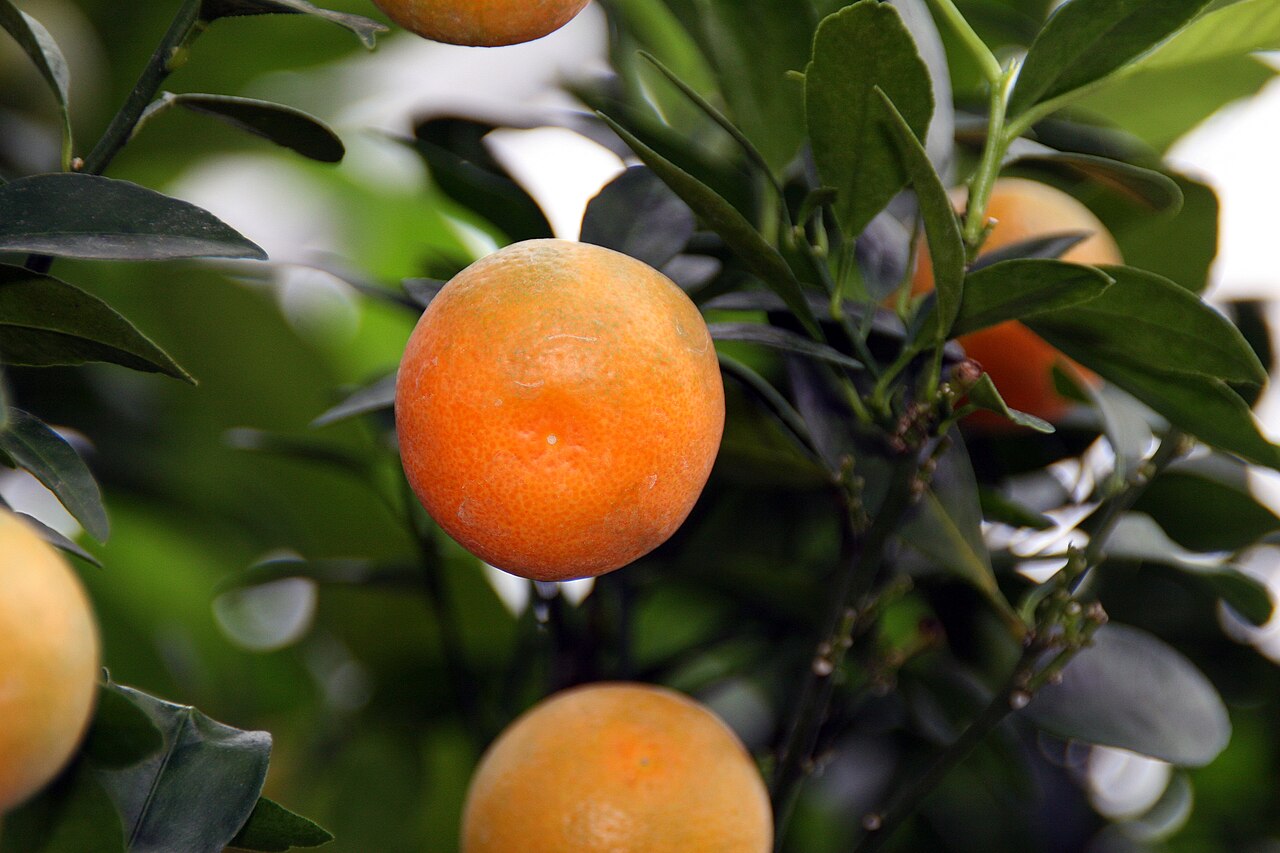
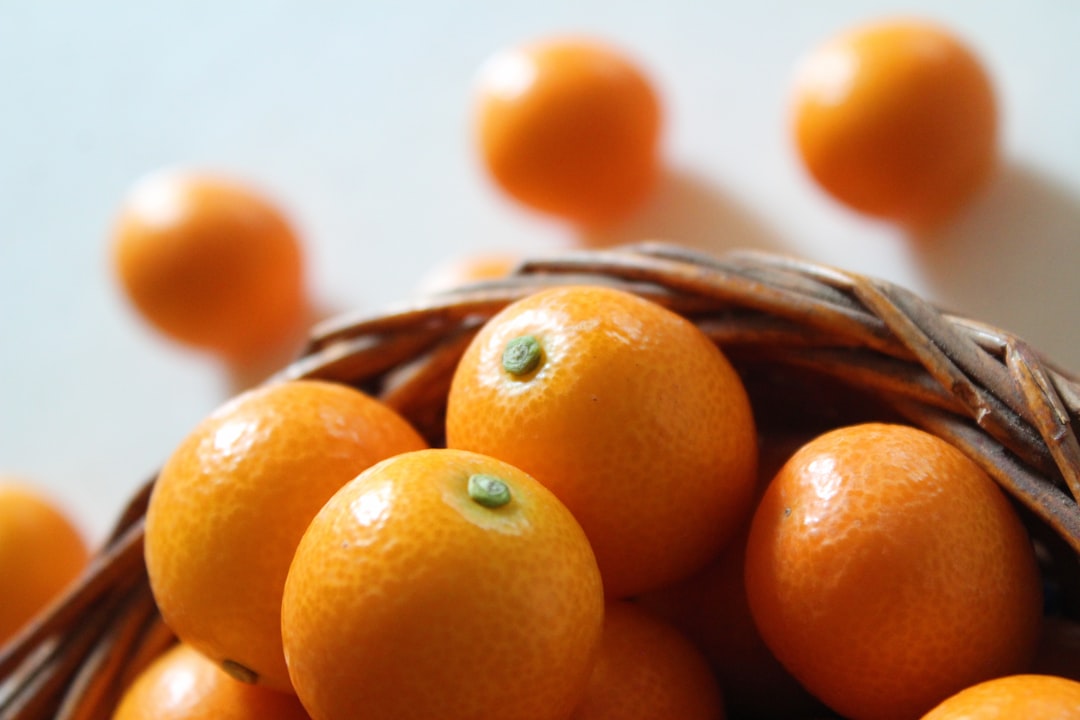
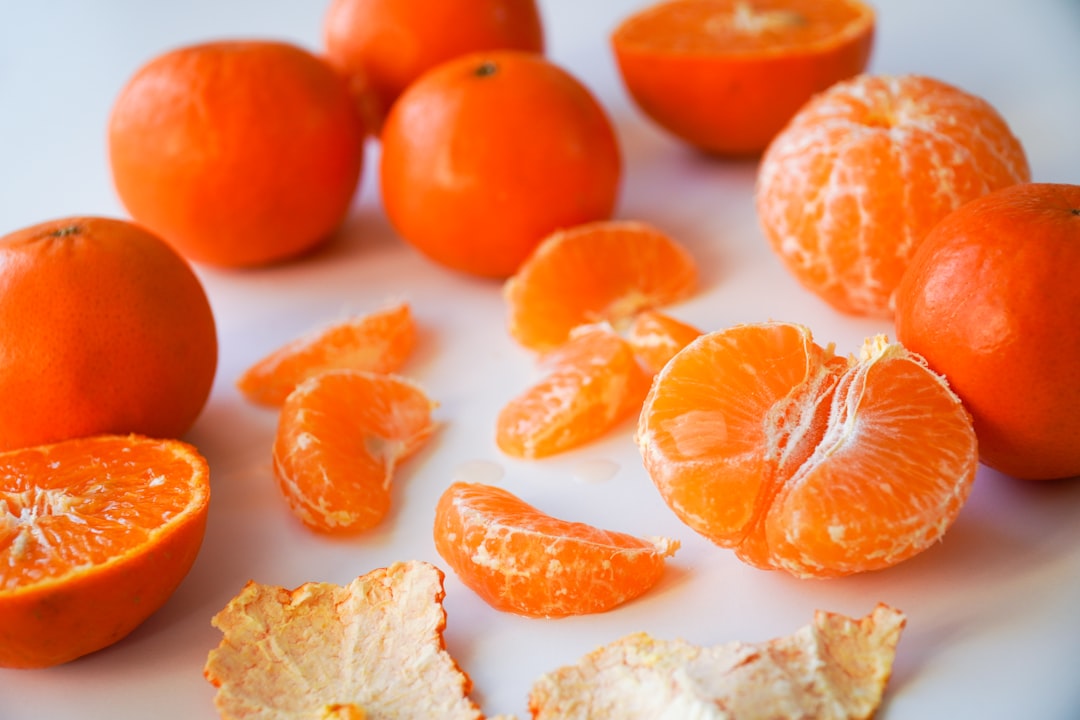
Calamansi, also known as calamondin, Philippine lime, or Philippine lemon, is a citrus hybrid cultivated predominantly in the Philippines. It is native to the Philippines, parts of Indonesia, Malaysia, and Brunei, as well as Taiwan, and parts of southern China.
Where it grows
Note · FAO 'Other citrus'
Source: FAO STAT — Crops and Livestock Products, 2024
Things worth knowing
- 01
Calamansi, a citrus hybrid, is often called the Philippine lime due to its widespread cultivation there.
- 02
This small fruit, scientifically known as x Citrofortunella microcarpa, belongs to the Rutaceae family.
- 03
While its exact origin is unknown, calamansi thrives across Southeast Asia and into southern China.
- 04
The Philippines is a major center for calamansi cultivation, highlighting its importance in the region.
- 05
Globally, China is the top producer of calamansi, contributing significantly to its world production.
Health & nutrition
- Calamansi is a good source of dietary fiber, which may support digestive health.
- It provides a notable amount of Vitamin C, an antioxidant that may help protect cells.
- This citrus fruit contains potassium, which is important for maintaining fluid balance.
- The fiber content in calamansi can contribute to a feeling of fullness.
- Consuming calamansi as part of a balanced diet may offer various nutritional advantages.
Informational only · not medical advice
Culinary uses
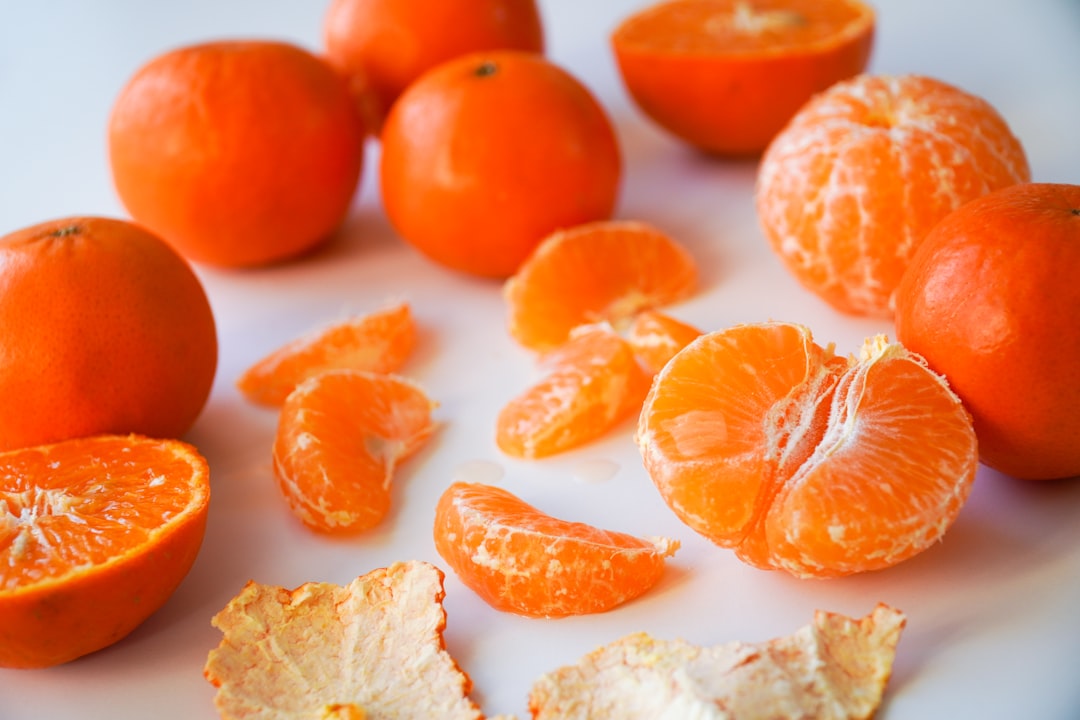
Calamansi is a versatile ingredient, prized in Filipino cuisine for its intense sour and slightly bitter flavor, often used in marinades, dipping sauces, and desserts. Beyond the Philippines, its unique citrus profile is being explored globally in cocktails, dressings, and as a refreshing garnish. The zest and juice are both highly valued for adding a bright, aromatic note to a wide range of dishes.