Langsat
Lansium parasiticum
- Energy
- 69kcal
- Native
- —
- Top Producer
- CHN
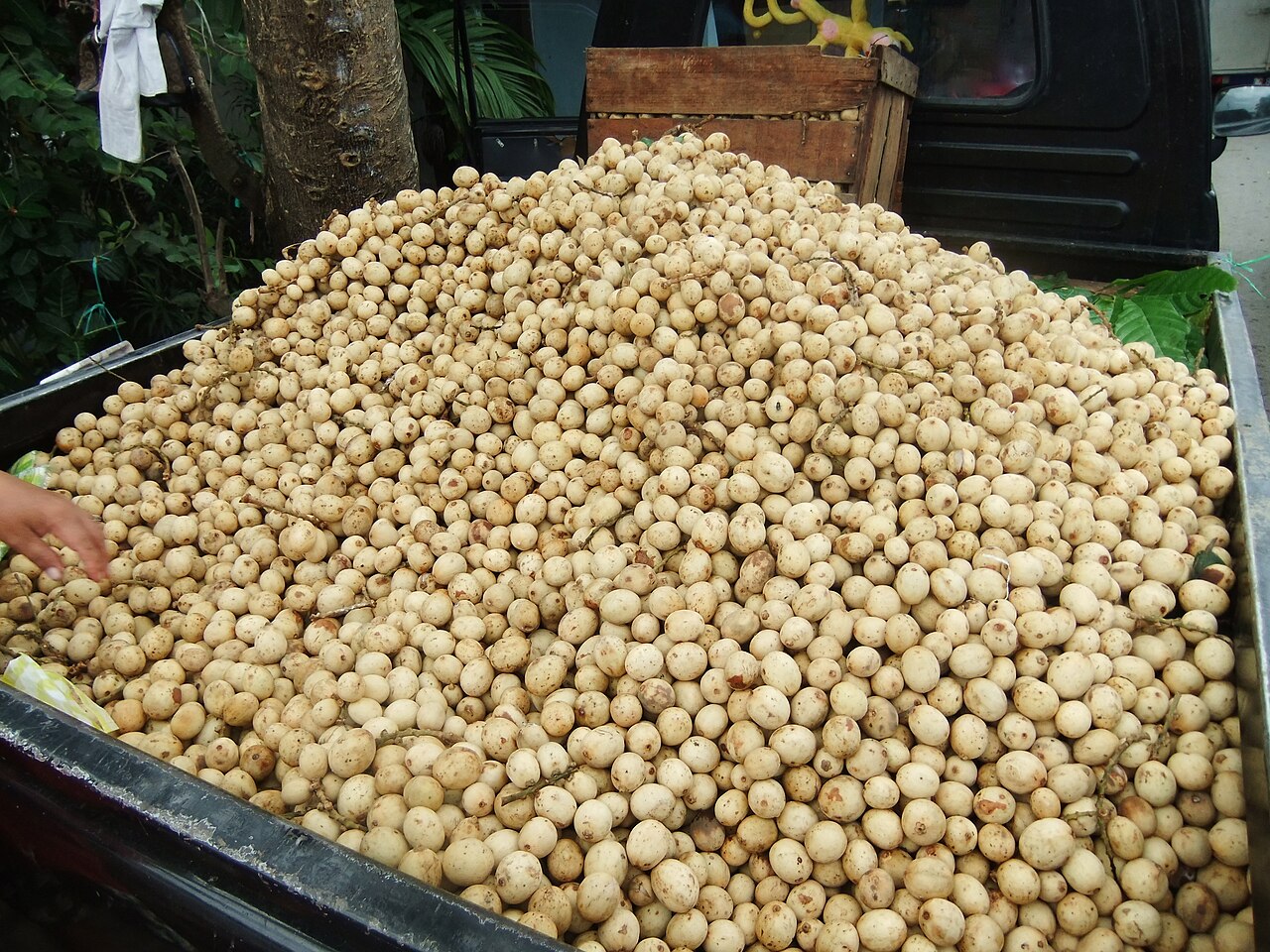
Photo: Midori · CC BY 3.0
Where it comes from
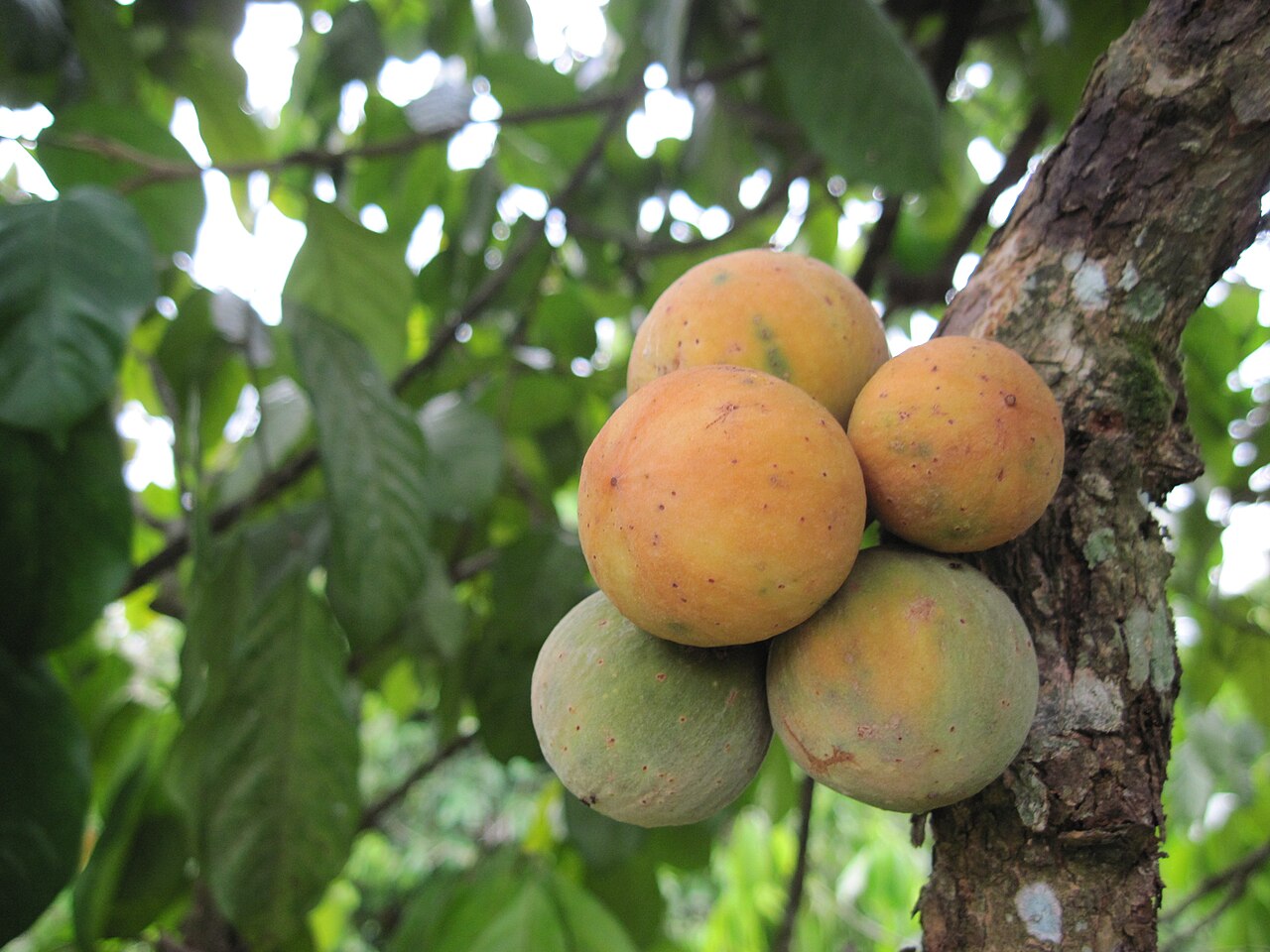
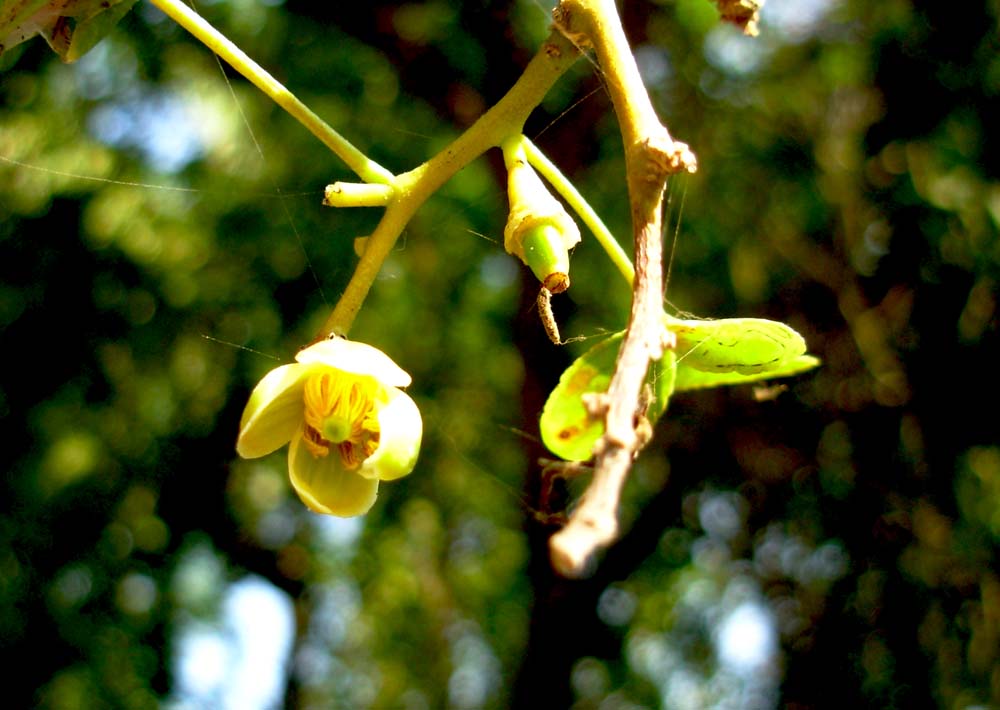
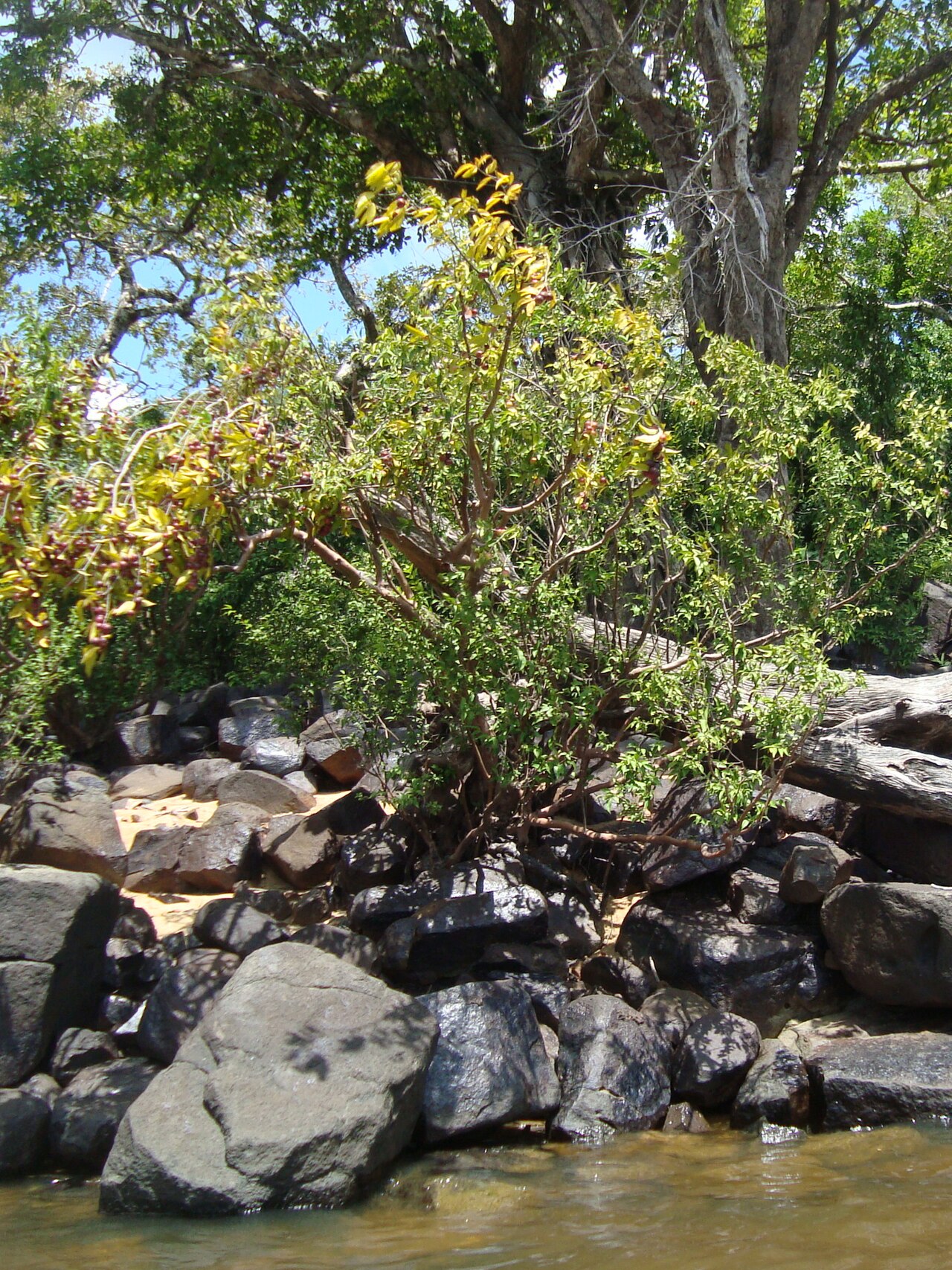
Lansium domesticum, commonly known as langsat or lanzones, ,--) is a species of tree in the family Meliaceae with commercially cultivated edible fruits. The species is native to Southeast Asia, from peninsular Thailand and Malaysia to Indonesia and the Philippines.
Where it grows
Note · FAO 'Other tropical fruits'
Source: FAO STAT — Crops and Livestock Products, 2024
Things worth knowing
- 01
Langsat, scientifically known as Lansium parasiticum, belongs to the Meliaceae family, a group that also includes neem and mahogany.
- 02
Despite its unknown native region, langsat trees are now commercially cultivated and widely enjoyed for their edible fruits.
- 03
China is currently the top producer of langsat, contributing significantly to the global production of 23.9 million tonnes.
- 04
This exotic fruit offers a good source of dietary fiber, with 5.30 grams per 100 grams.
- 05
Langsat is particularly rich in Vitamin C, providing 54.1 milligrams per 100 grams, which is quite notable.
Health & nutrition
- Langsat is a source of dietary fiber, which may support digestive health.
- The fruit provides Vitamin C, an antioxidant that may contribute to immune system function.
- It contains potassium, a mineral that may help maintain healthy blood pressure levels.
- These fruits offer a moderate amount of energy with 69 kcal per 100 grams.
- The natural sugars in langsat provide a source of carbohydrates for energy.
Informational only · not medical advice
Culinary uses
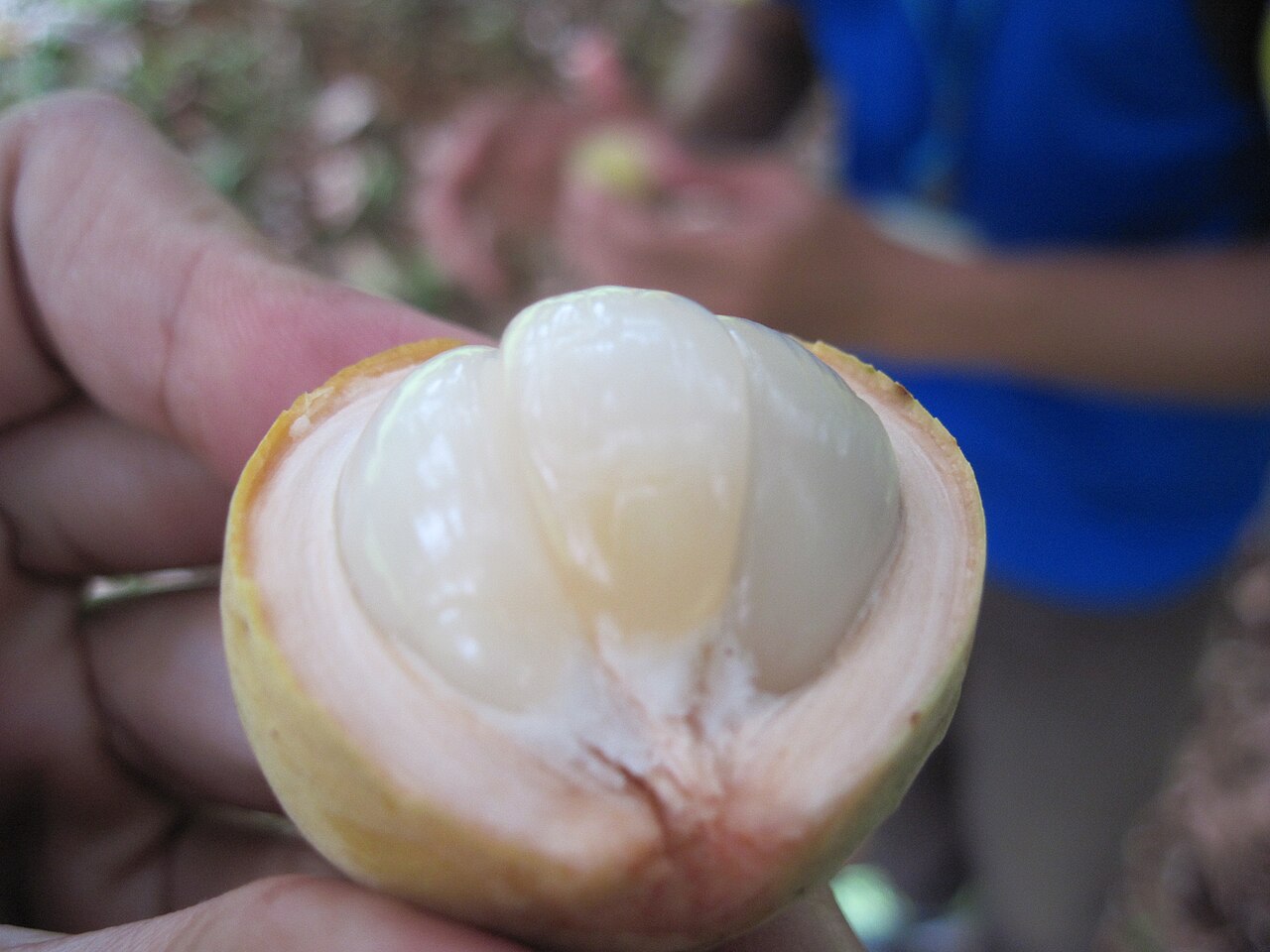
Langsat fruits are typically eaten fresh, often peeled to reveal their translucent, juicy flesh. Their sweet and slightly sour taste makes them a popular snack in Southeast Asian countries where they are native. They can also be used in desserts, jams, and sometimes even fermented into alcoholic beverages, showcasing their versatility in regional cuisines.