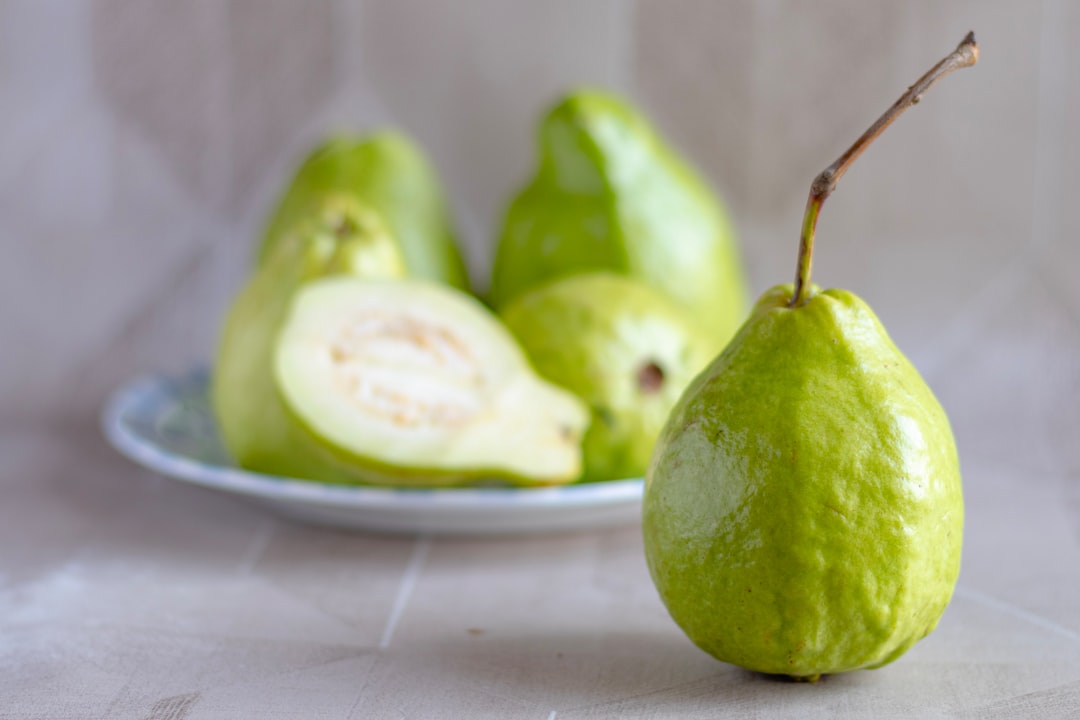
Camu Camu
Myrciaria dubia
- Energy
- 69kcal
- Native
- —
- Top Producer
- —

Photo: LeRoc · CC BY-SA 3.0
Where it comes from
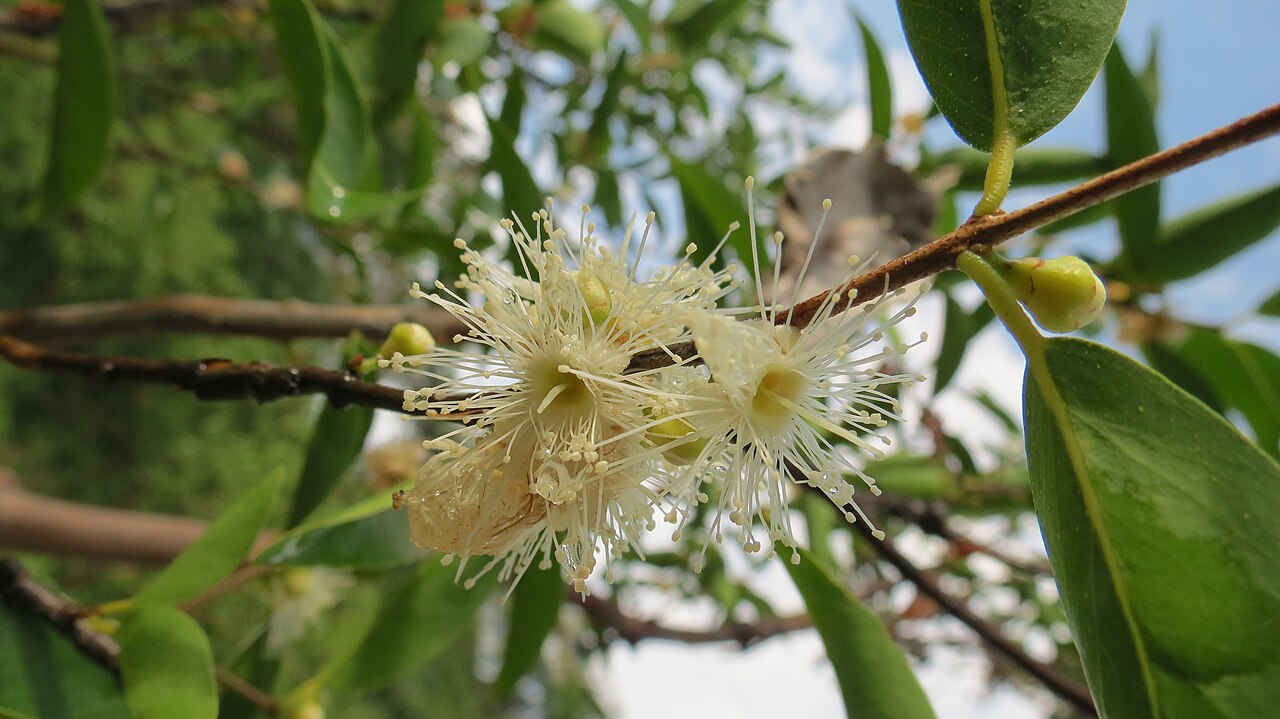
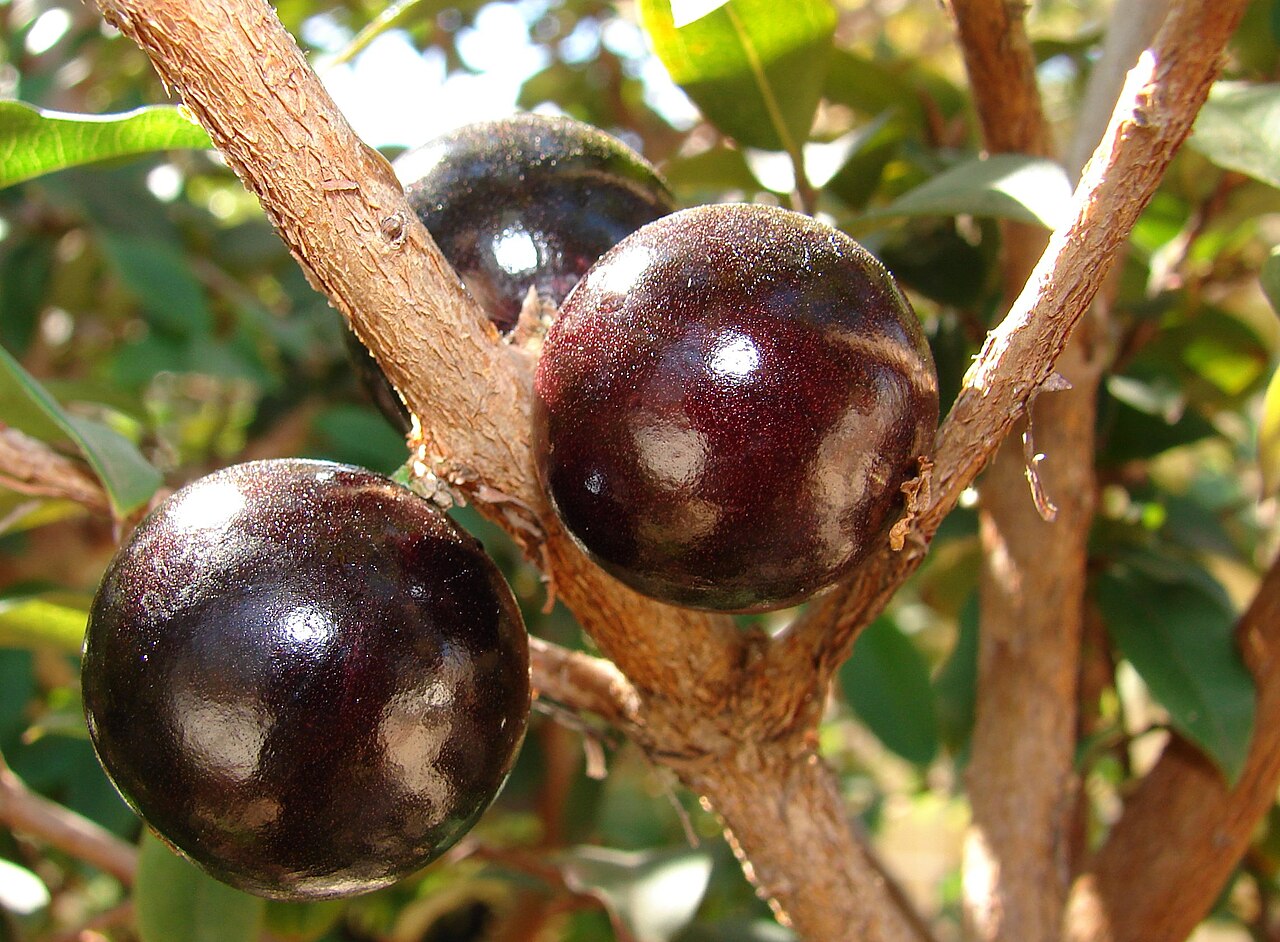
Myrciaria dubia, commonly known as camu-camu, caçari, araçá-d'água, or camocamo, is a species of plant in the family Myrtaceae. It is a small bushy riverside tree from the Amazon rainforest in Peru and Brazil, which grows to a height of 3–5 metres and bears a red/purple cherry-like fruit. It is a close relative of the false jaboticaba and the guavaberry or rumberry. As much as 2 to 3% of the fresh fruit by weight is vitamin C.
Things worth knowing
- 01
Camu camu, scientifically known as Myrciaria dubia, is a bushy riverside tree native to the Amazon rainforest.
- 02
This plant belongs to the Myrtaceae family, which also includes close relatives like the guava and false jaboticaba.
- 03
The camu camu tree typically grows to a modest height of 3 to 5 meters, bearing distinctive red to purple fruits.
- 04
These cherry-like fruits are recognized by several local names, including caçari, araçá-d'água, and camocamo in their native regions.
- 05
While considered exotic, camu camu is a popular fruit with a unique profile, offering a nutritional boost.
Health & nutrition
- Camu camu is a source of dietary fiber, which may support digestive health.
- It provides potassium, an essential mineral that plays a role in maintaining fluid balance.
- This fruit contains vitamin C, an antioxidant that may support the immune system.
- The fruit's nutritional content can contribute to overall well-being as part of a balanced diet.
- Camu camu's fiber content is notable, offering a valuable addition to healthy eating patterns.
Informational only · not medical advice
Culinary uses
Camu camu is primarily consumed as a juice or powder, often added to smoothies, yogurts, and desserts due to its tart flavor. Its exotic nature makes it a unique ingredient in global cuisine, while regionally it is a traditional beverage. The fruit's intense taste lends itself well to sweet preparations, balancing richness with a bright, acidic note.