Longan
Dimocarpus longan
- Energy
- 60kcal
- Native
- —
- Top Producer
- CHN
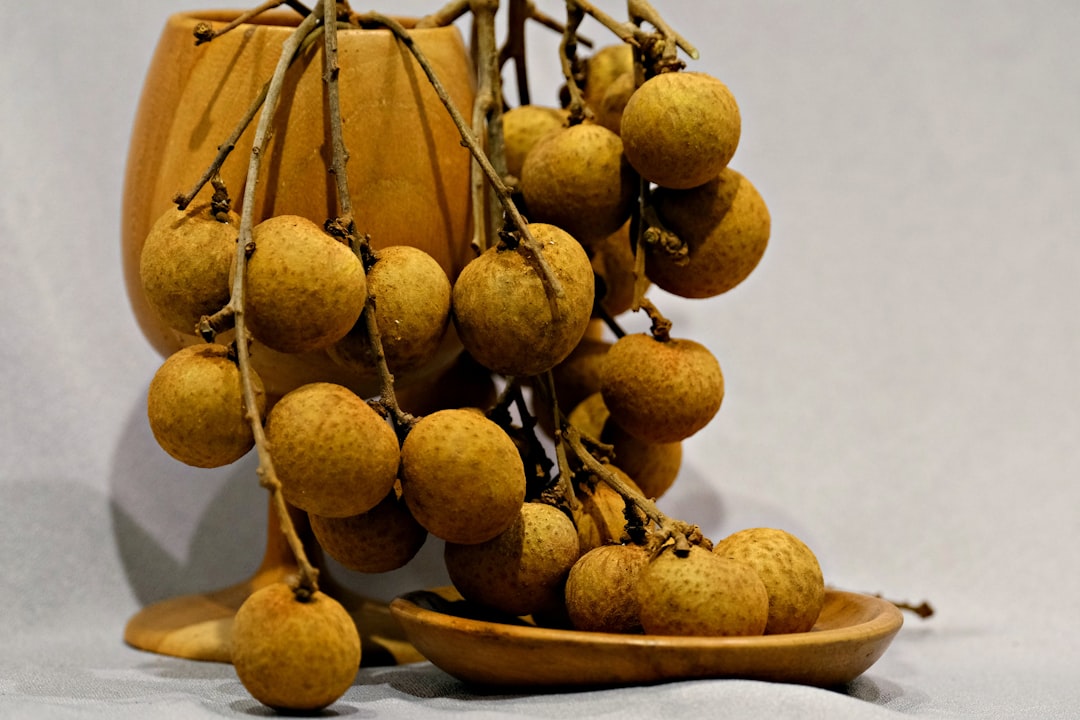
Photo: hartono subagio · Unsplash License
Where it comes from
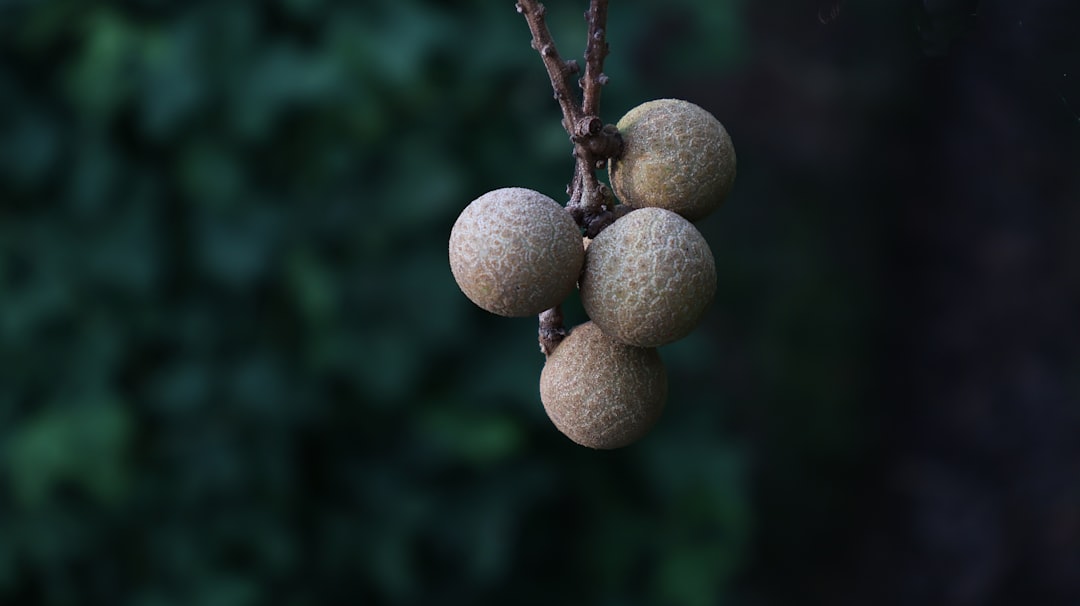
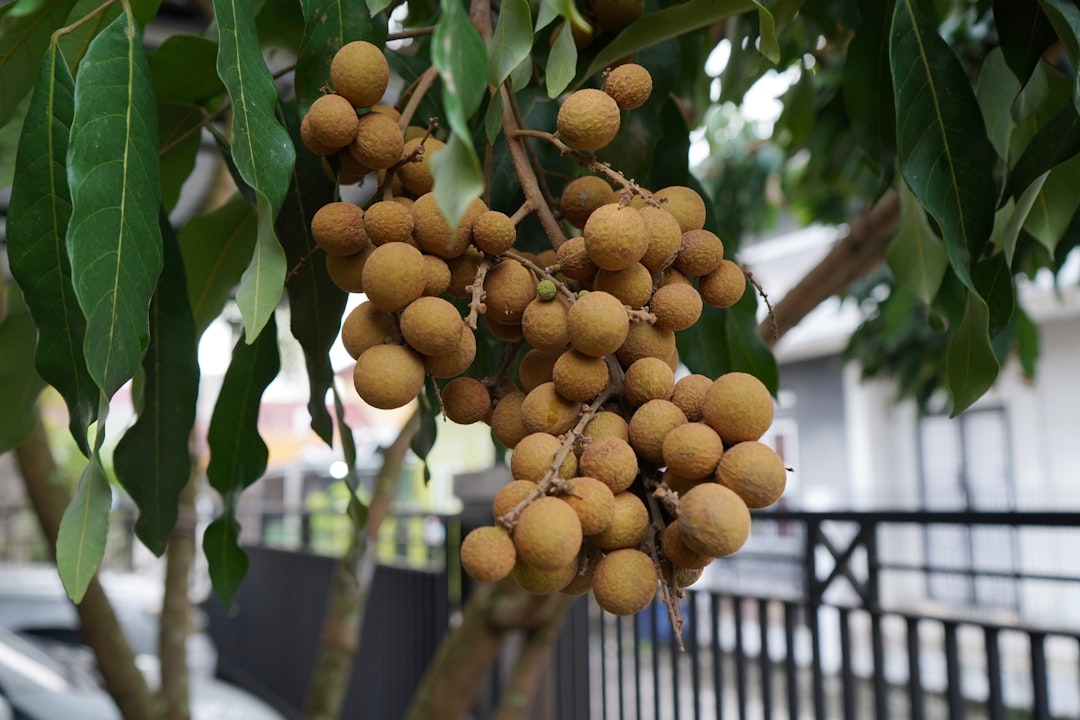
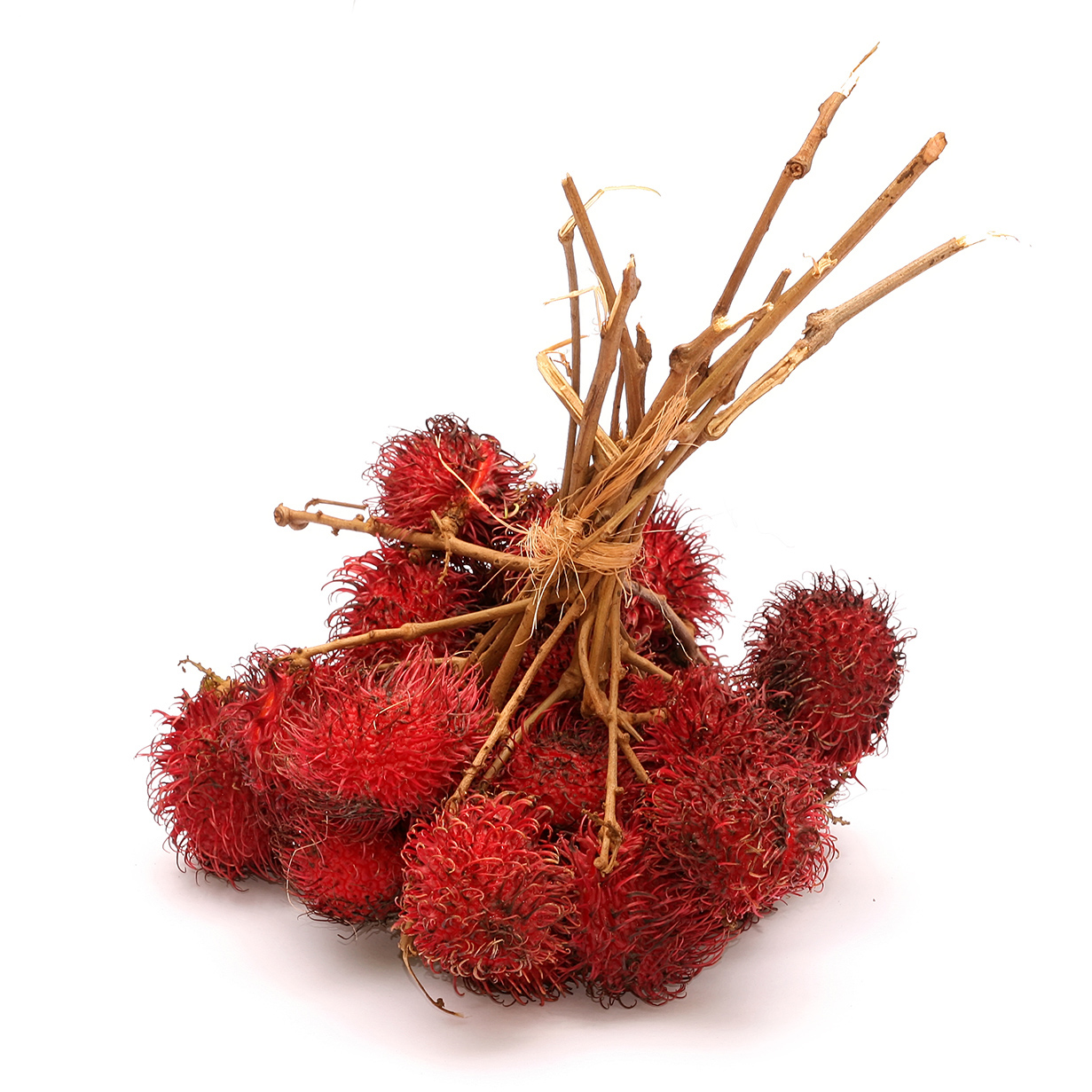
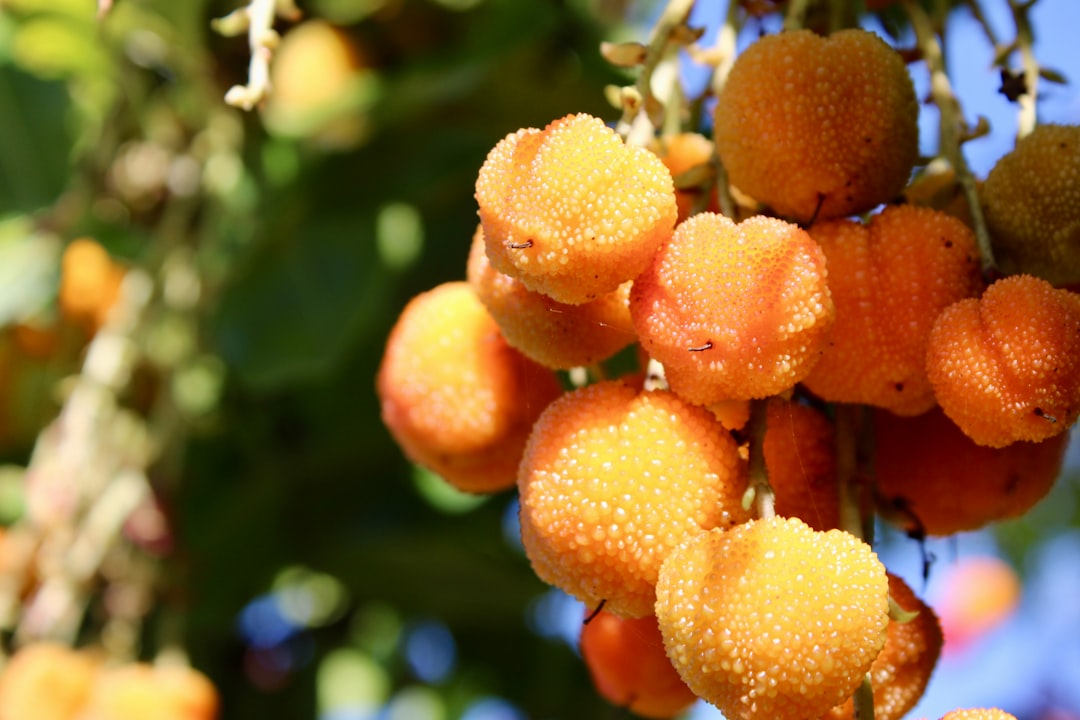
Dimocarpus longan, commonly known as the longan and dragon's eye, is a tropical tree species that produces edible fruit. It is one of the better-known tropical members of the soapberry family Sapindaceae, to which the lychee and rambutan also belong. The fruit of the longan is similar to lychee, but has a milder, and more subtle aroma and sweetness. The species is native to Southeast Asia and southern China. Today, China, Thailand, and Vietnam are the largest producers of longan fruit, together accounting for approximately 95% of global production.
Where it grows
Note · FAO 'Other tropical fruits'
Source: FAO STAT — Crops and Livestock Products, 2024
Things worth knowing
- 01
The longan, scientifically known as Dimocarpus longan, is a tropical tree producing delicious edible fruit.
- 02
This fruit shares its family, Sapindaceae, with other popular tropical fruits like lychee and rambutan.
- 03
While similar to lychee, the longan offers a more subtle sweetness and a milder, delicate aroma.
- 04
China is the top producer of longans, contributing significantly to the global harvest of 23.9 million tonnes.
- 05
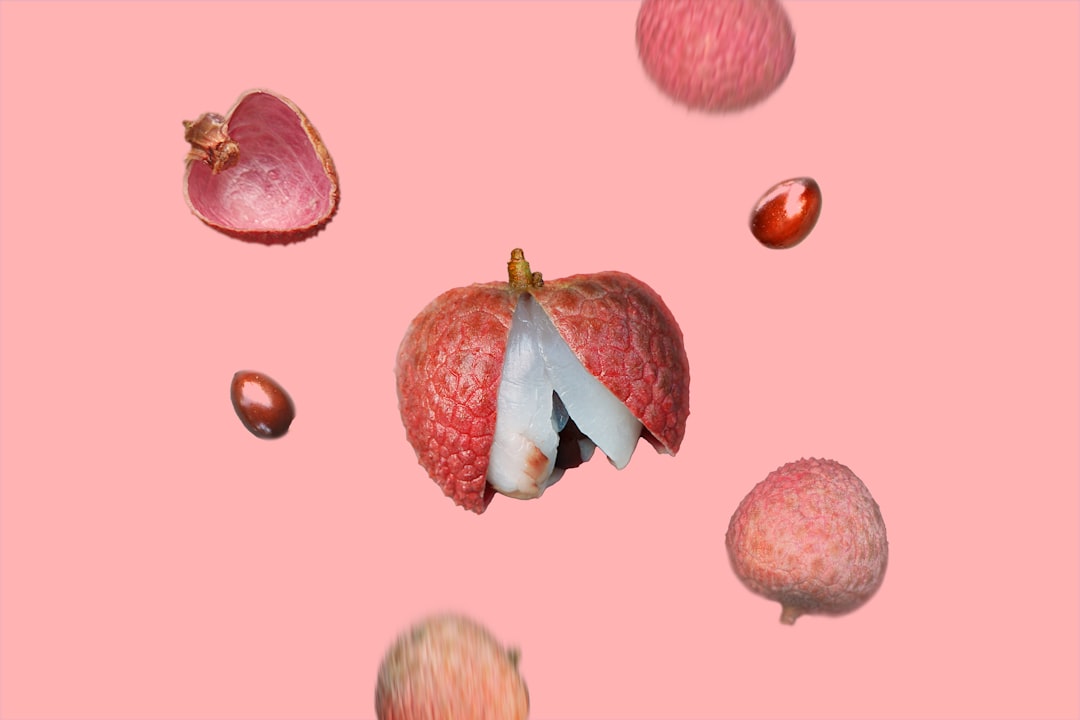
The name 'longan' translates to 'dragon's eye' in Chinese, likely inspired by its appearance when peeled.
Health & nutrition
- Longan is a good source of Vitamin C, which may support immune system function.
- The fruit contains dietary fiber, which may contribute to digestive health.
- Potassium found in longans may help support healthy blood pressure levels.
- As a source of antioxidants, longan may help protect the body's cells.
- This fruit provides energy with around 60 kcal per 100 grams.
Informational only · not medical advice
Culinary uses
Longans are enjoyed fresh, with their sweet, juicy flesh being a delightful treat. They are also commonly dried, concentrating their flavor for use in sweet dishes and desserts. In Southeast Asian cuisine, longans are frequently added to soups, puddings, and beverages, offering a unique fruity note.