Pulasan
Nephelium ramboutan-ake
- Energy
- 69kcal
- Native
- —
- Top Producer
- CHN
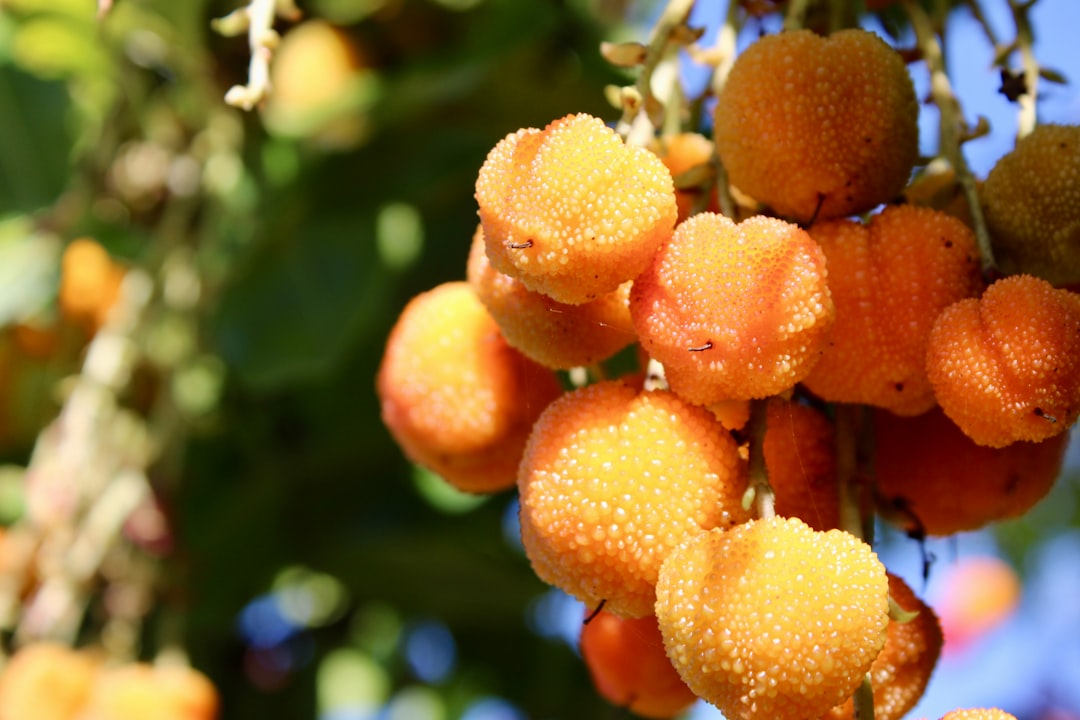
Photo: Ryan Waldman · Unsplash License
Where it comes from
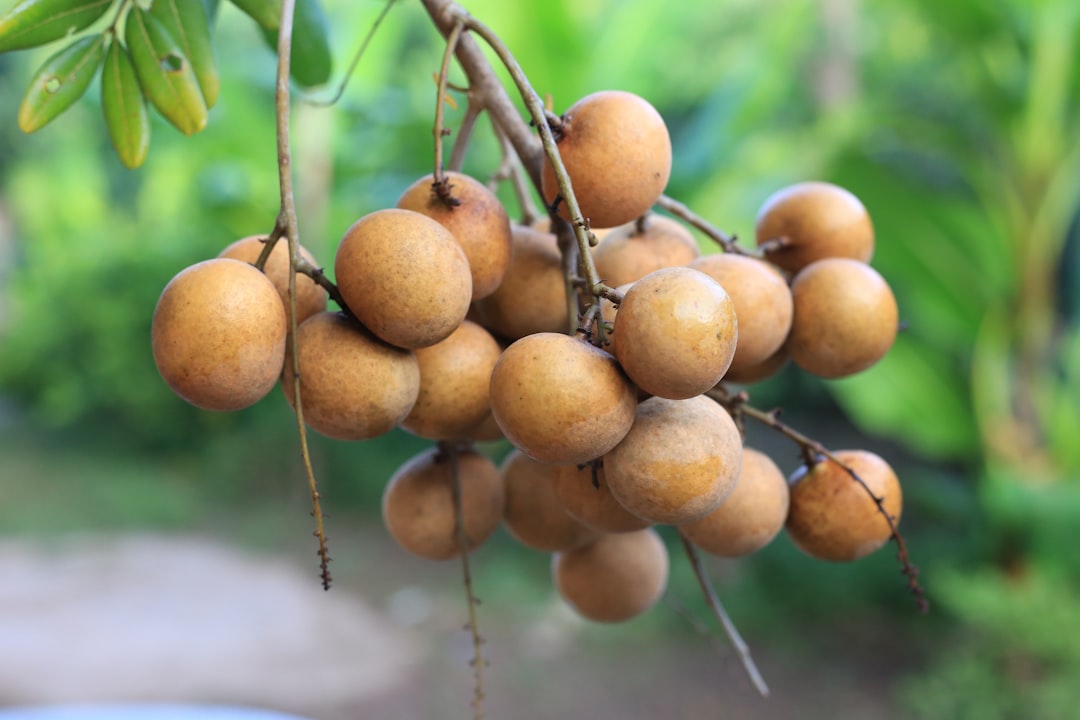
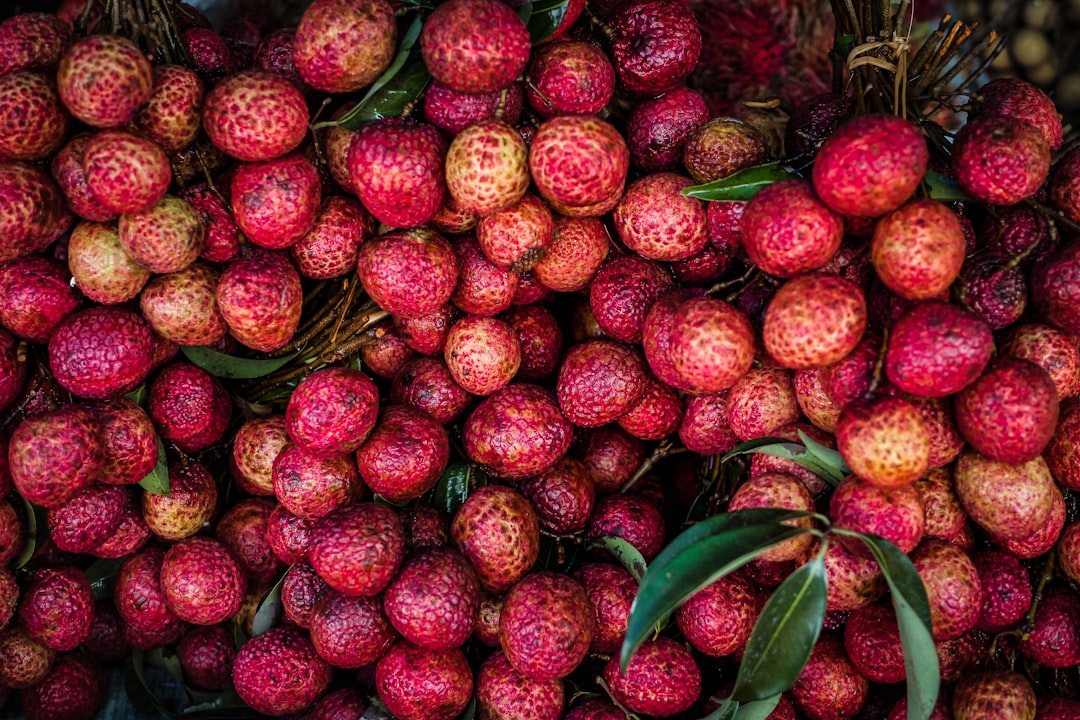
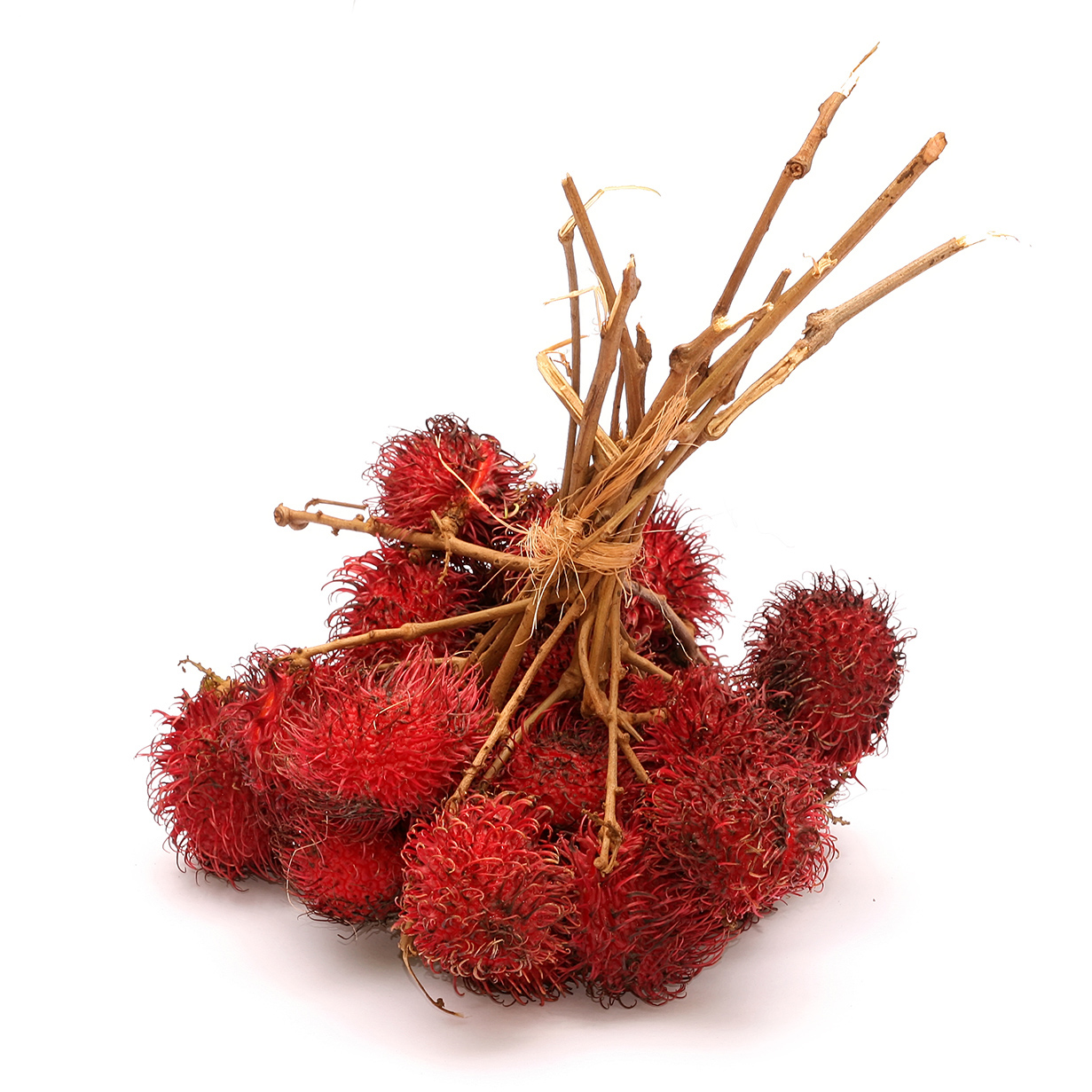
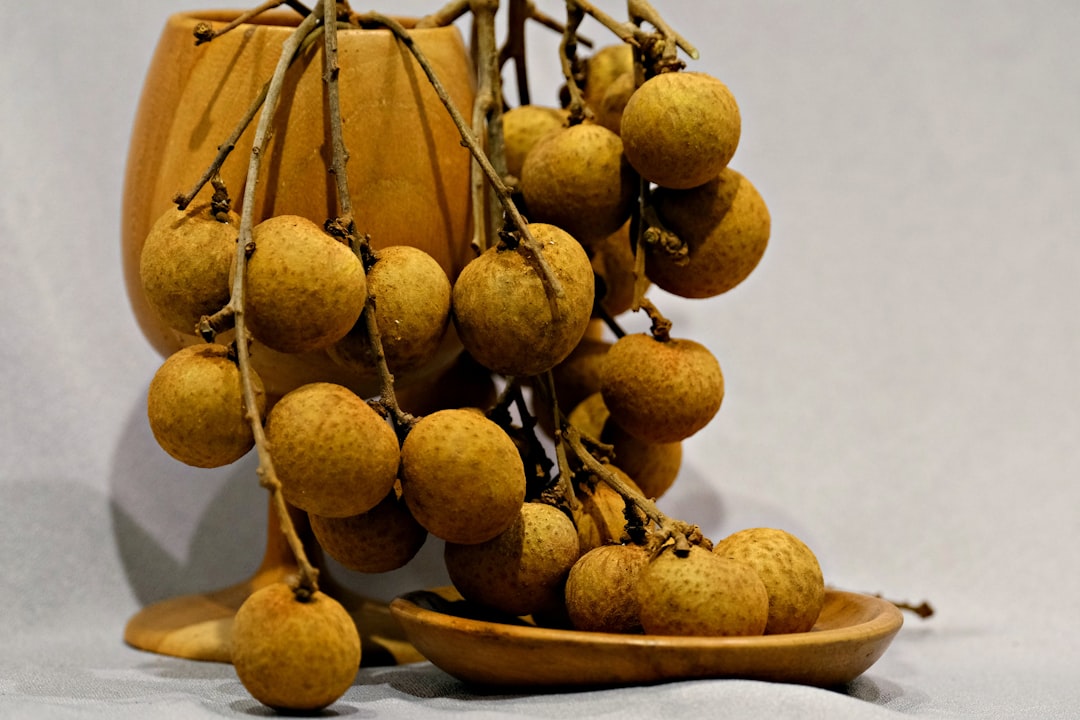
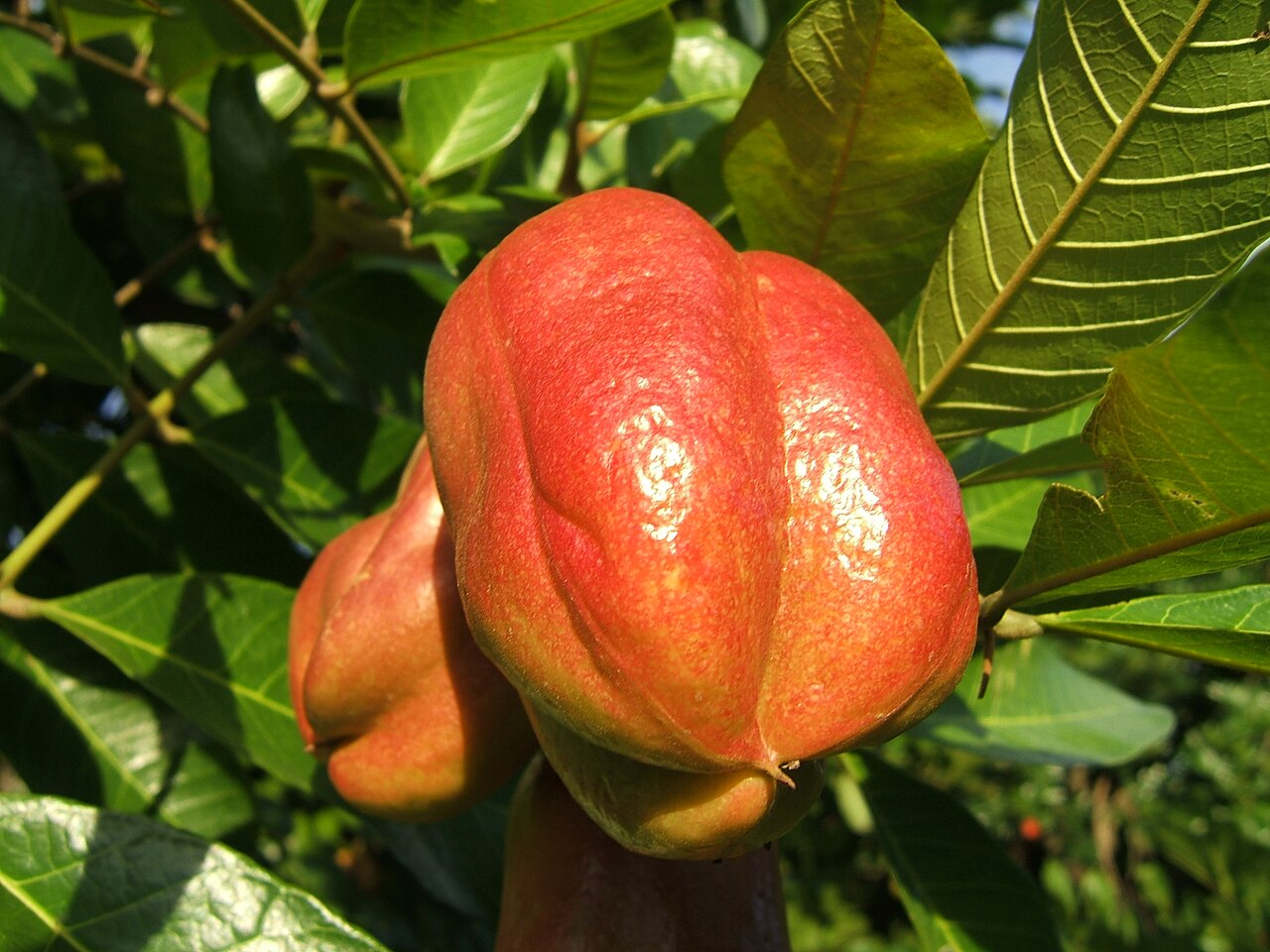
Nephelium ramboutan-ake, the pulasan, is a tropical fruit in the soapberry family Sapindaceae. It is closely related to the rambutan and sometimes confused with it. Other related soapberry family fruits include lychee and longan. Usually eaten fresh, it is sweeter than the rambutan and lychee, but very rare outside Southeast Asia.
Where it grows
Note · FAO 'Other tropical fruits'
Source: FAO STAT — Crops and Livestock Products, 2024
Things worth knowing
- 01
The pulasan, scientifically known as Nephelium ramboutan-ake, belongs to the soapberry family, Sapindaceae, which also includes lychee and longan.
- 02
Although its native region is unknown, the pulasan is a tropical fruit that is closely related to the more familiar rambutan.
- 03
This exotic fruit is a good source of dietary fiber, providing 5.30 grams per 100 grams for digestive health.
- 04
Pulasan offers a notable amount of Vitamin C, with 54.1 milligrams per 100 grams, supporting the immune system.
- 05
China is the top producer of pulasan, contributing to the substantial world production of 23.9 million tonnes annually.
Health & nutrition
- Pulasan is a good source of fiber, which may support healthy digestion.
- It contains Vitamin C, an antioxidant that may help protect cells from damage.
- The fruit is a source of potassium, which may play a role in maintaining fluid balance.
- Pulasan provides carbohydrates, which are the body's primary source of energy.
- Its nutritional profile may contribute to an overall balanced diet when consumed in moderation.
Informational only · not medical advice
Culinary uses
Pulasan is typically enjoyed fresh, prized for its sweet taste that surpasses both rambutan and lychee. Due to its rarity outside Southeast Asia, it is a unique delicacy. While primarily eaten out of hand, its sweet flesh could be incorporated into desserts or beverages where its distinct flavor can be appreciated.