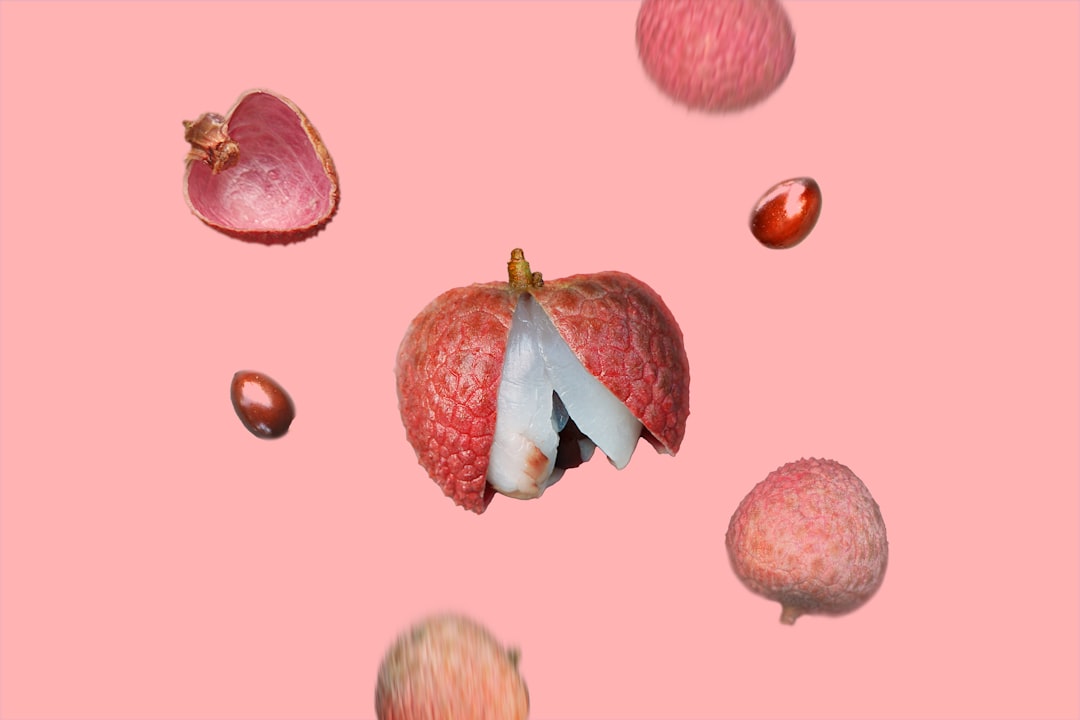
Rambutan
Nephelium lappaceum
- Energy
- 73kcal
- Native
- —
- Top Producer
- CHN
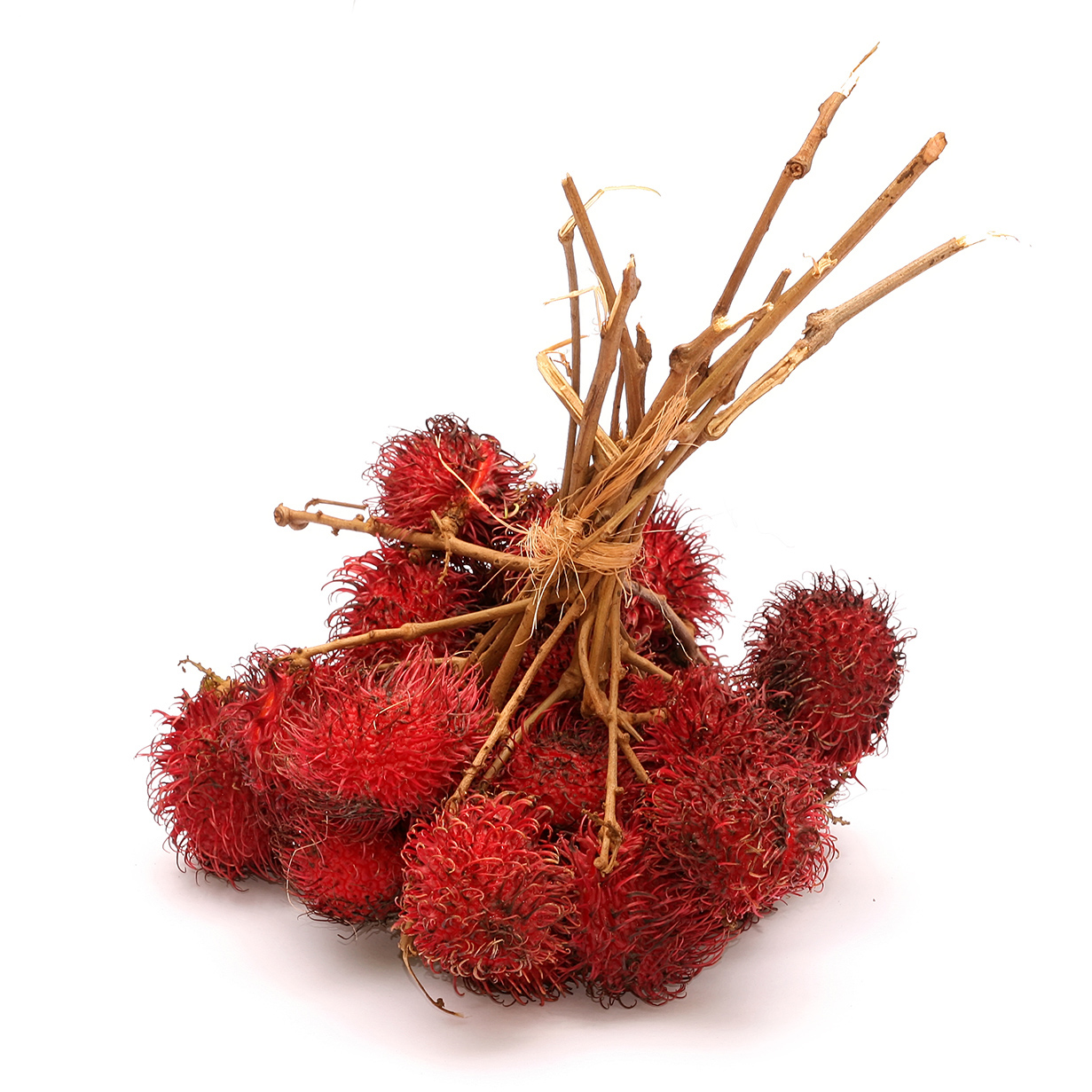
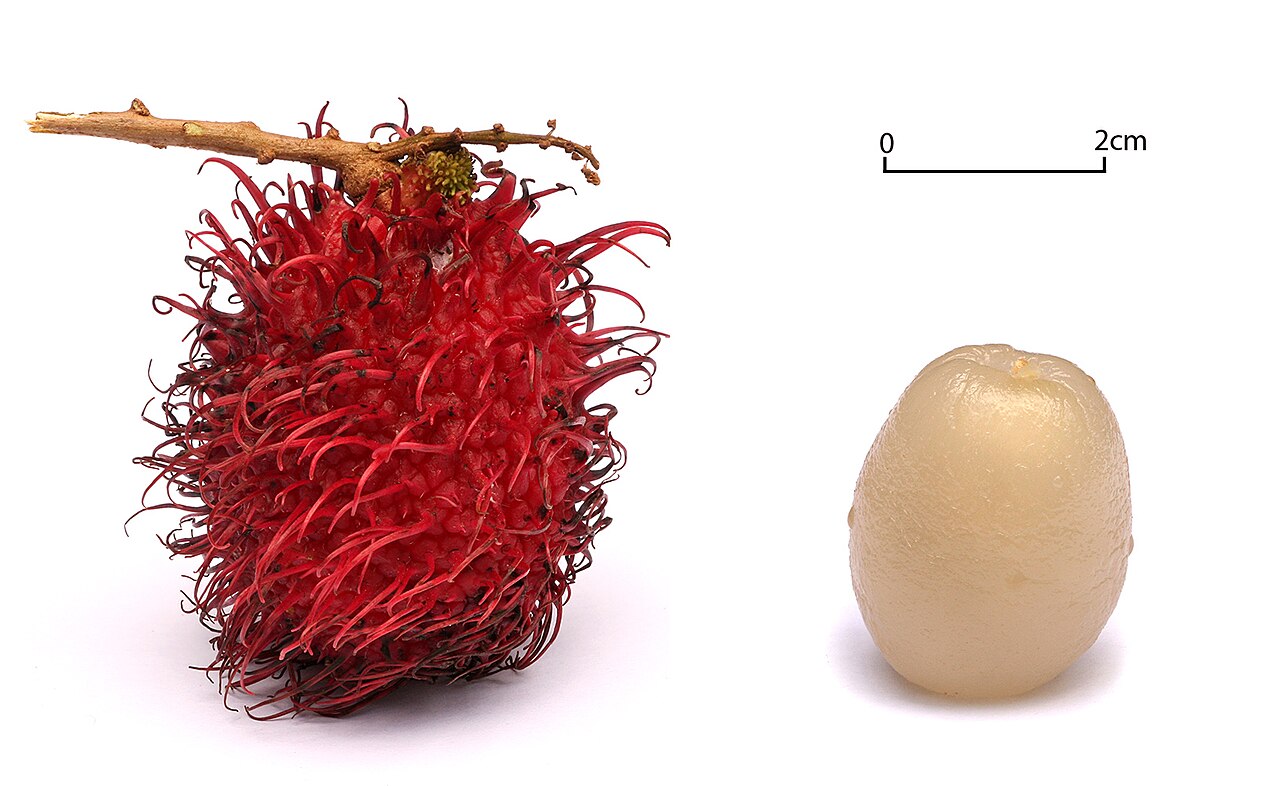
Photo: Muhammad Mahdi Karim · GFDL 1.2
Where it comes from
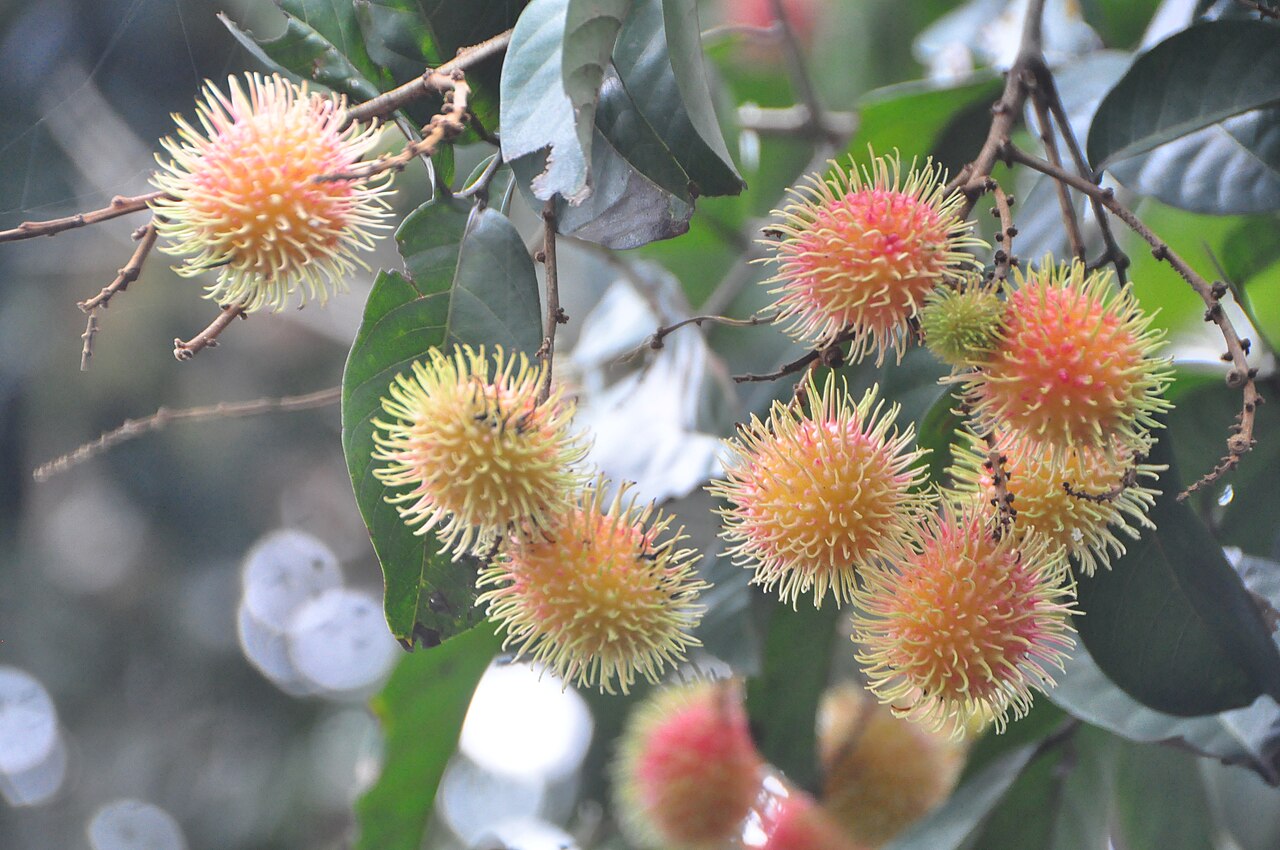
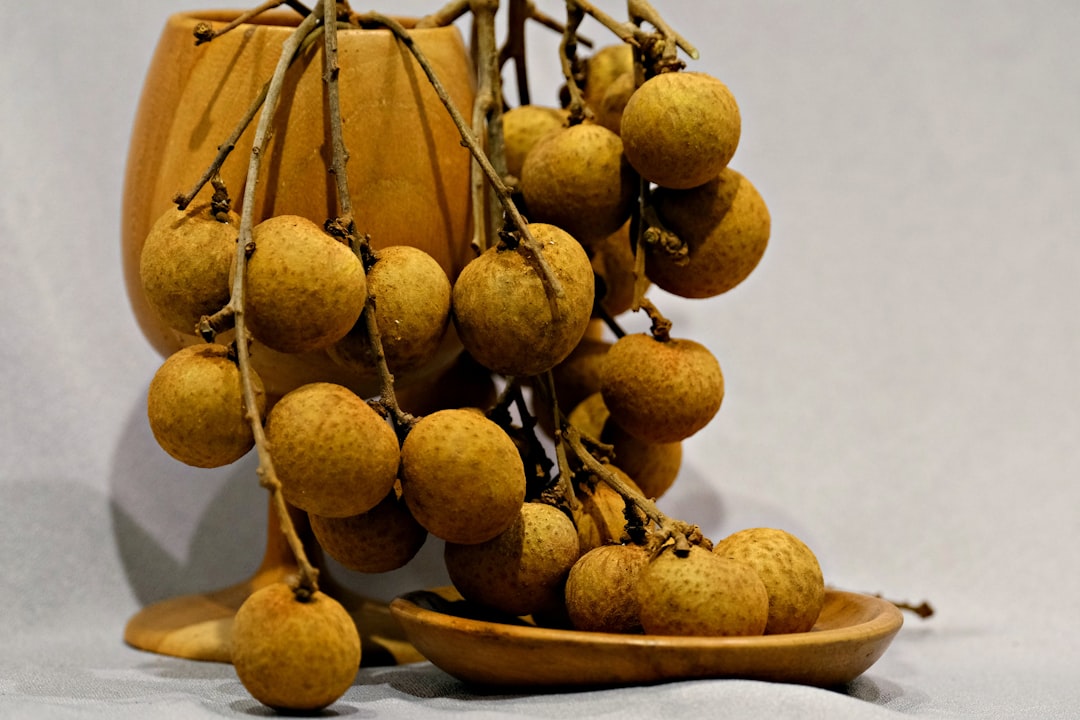
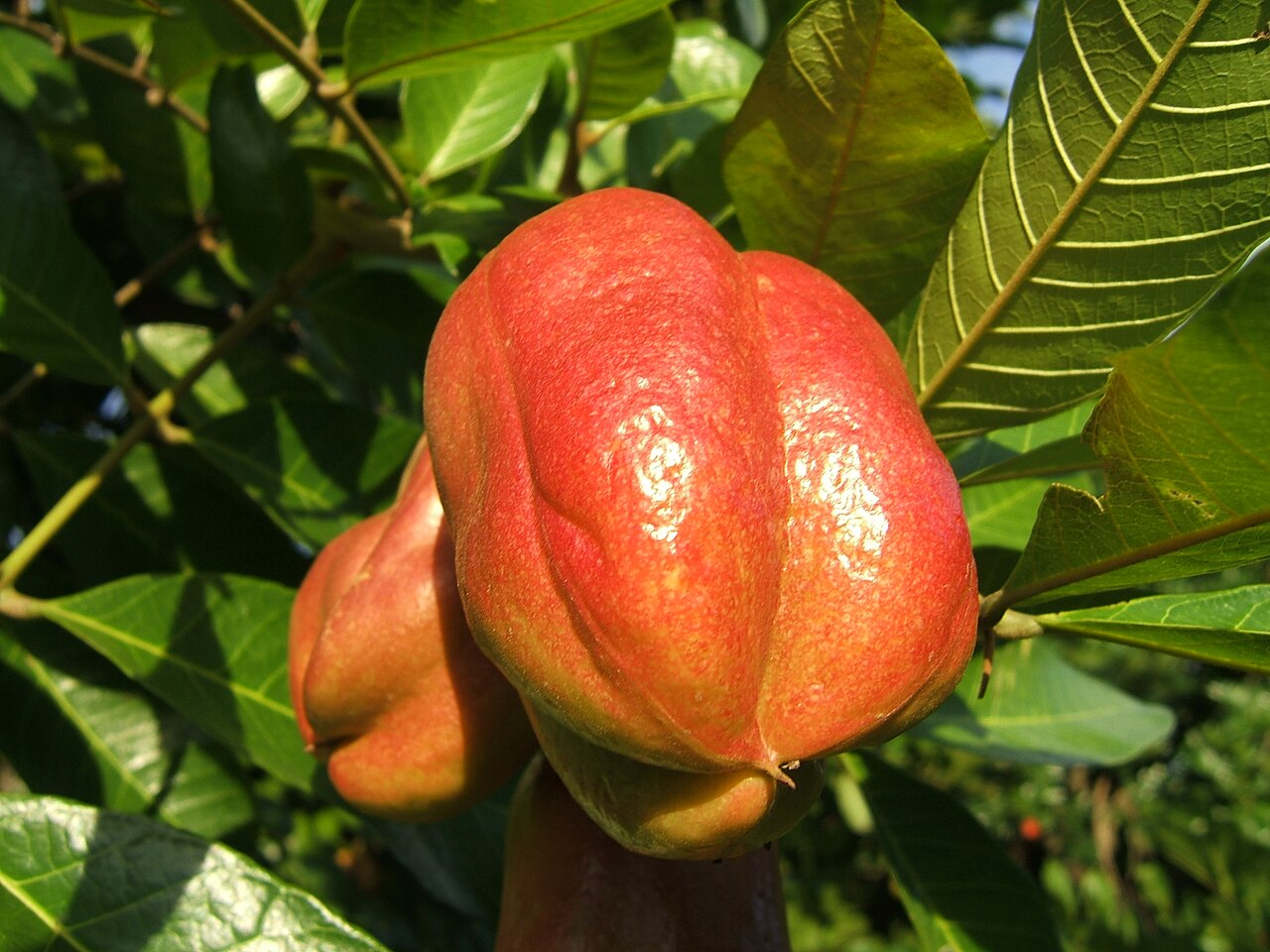
Rambutan is a medium-sized tropical tree in the family Sapindaceae. The name also refers to the edible fruit produced by this tree. The rambutan is native to Southeast Asia. It is closely related to several other edible tropical fruits, including the lychee, longan, pulasan, and quenepa.
Where it grows
Note · FAO 'Other tropical fruits'
Source: FAO STAT — Crops and Livestock Products, 2024
Things worth knowing
- 01
The rambutan, meaning 'hairy' in Malay, gets its name from the distinctive spiky, hair-like shell covering its sweet, translucent flesh.
- 02
This tropical delight is a close relative to familiar fruits like lychee and longan, sharing a similar sweet and juicy texture.
- 03
While its exact native region remains unknown, rambutan is believed to have originated in Southeast Asia, a hub for exotic fruits.
- 04
China is currently the top producer of rambutan, contributing significantly to the nearly 24 million tonnes harvested globally each year.
- 05
Beyond its unique appearance, rambutan offers a substantial amount of Vitamin C, making it a flavorful way to boost your intake.
Health & nutrition
- Rambutan is a good source of dietary fiber, which may support digestive health and promote a feeling of fullness.
- It provides a notable amount of Vitamin C, an antioxidant that may help protect cells from damage.
- The fruit is a source of potassium, an essential mineral that plays a role in maintaining fluid balance.
- With 73 kcal per 100g, rambutan offers a moderate energy boost from its natural sugars.
- Consuming rambutan may contribute to overall nutrient intake as part of a balanced diet.
Informational only · not medical advice
Culinary uses
Rambutan is enjoyed fresh, peeled to reveal its succulent, sweet flesh. In Southeast Asia, it's often eaten out of hand or used in fruit salads and desserts. Globally, it's increasingly found in exotic fruit bowls, jams, jellies, and sometimes as a unique addition to savory dishes. Its sweet-tart flavor also makes it a refreshing ingredient in beverages and cocktails.