Mamoncillo
Melicoccus bijugatus
- Energy
- 69kcal
- Native
- —
- Top Producer
- —
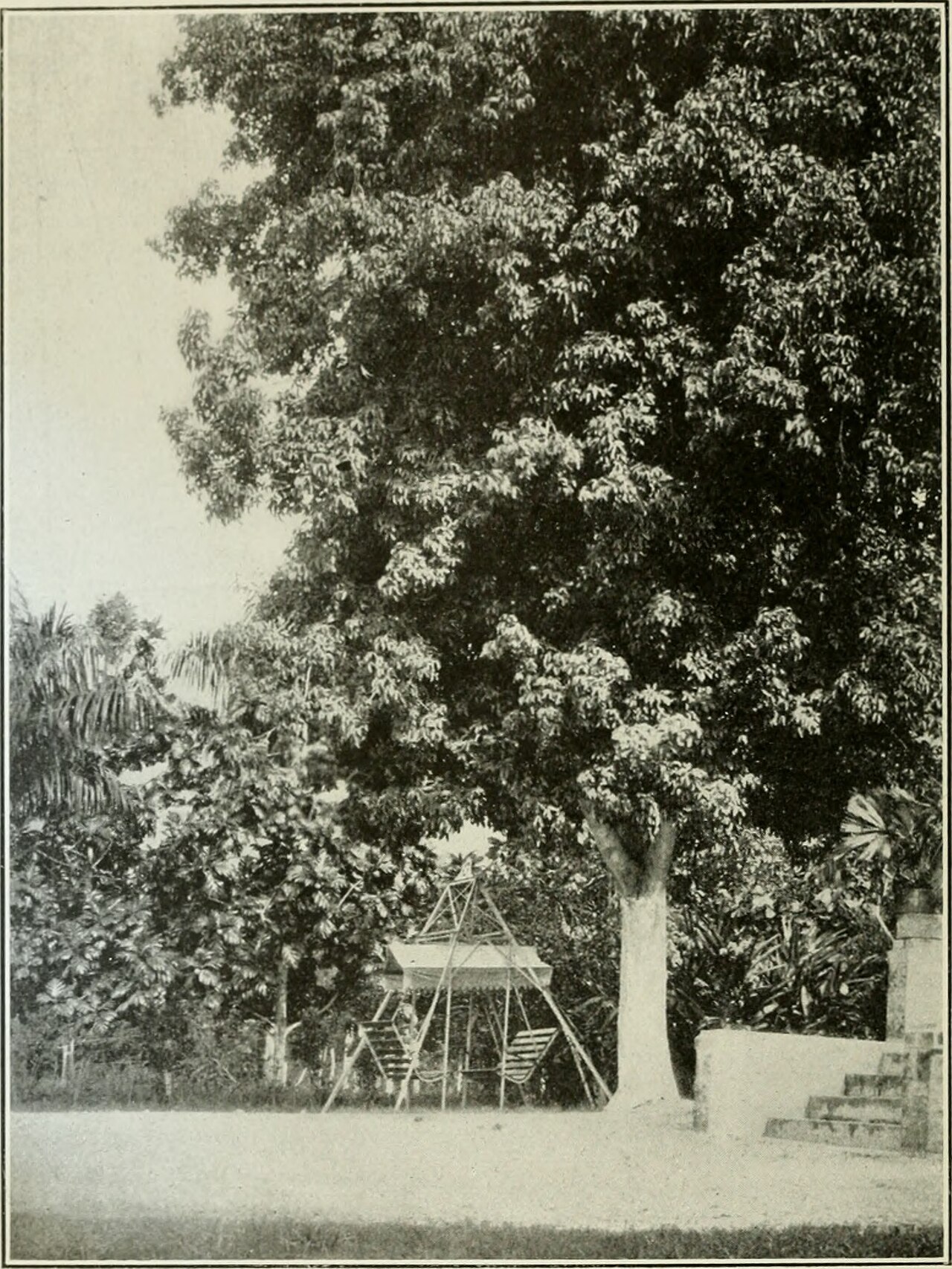
Photo: Internet Archive Book Images · No restrictions
Where it comes from
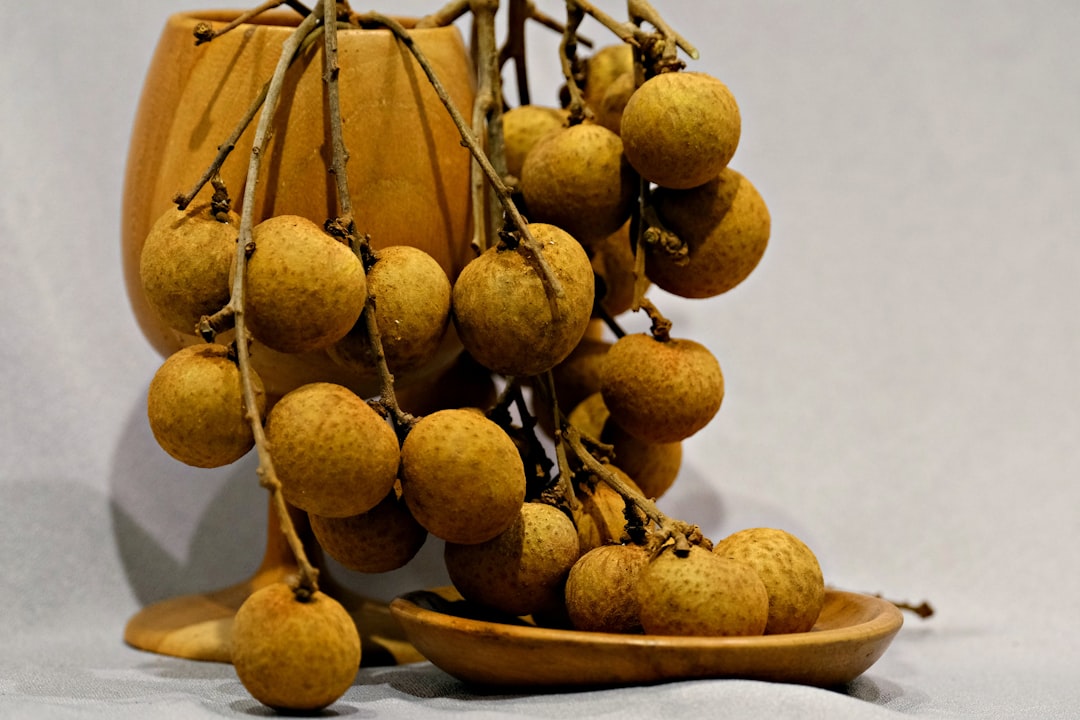
Melicoccus bijugatus is a fruit-bearing tree in the soapberry family Sapindaceae, native or naturalized across the New World tropics including South and Central America, and parts of the Caribbean. Its stone-bearing fruits, commonly called quenepa, kenèp or guinep, are edible. Other names for the fruits include limoncillo, Bajan ackee, chenet, Spanish lime, mamoncillo, and quenette.
Things worth knowing
- 01
Mamoncillo, scientifically known as Melicoccus bijugatus, belongs to the soapberry family, Sapindaceae.
- 02
This exotic fruit, also called quenepa or kenèp, is enjoyed in tropical regions of the New World.
- 03
Its edible, stone-bearing fruits are a popular snack in parts of the Caribbean and South America.
- 04
Mamoncillo offers a sweet and slightly tart flavor, making it a refreshing tropical treat.
- 05
The fruit's unique texture and taste have earned it various local names across its naturalized range.
Health & nutrition
- Mamoncillo is a good source of dietary fiber, which may support digestive health.
- This fruit provides a notable amount of Vitamin C, an important antioxidant.
- It is also a source of potassium, a mineral essential for bodily functions.
- The calorie content of mamoncillo is moderate, making it a reasonable snack option.
- Its natural sugars offer a quick source of energy for the body.
Informational only · not medical advice
Culinary uses
Mamoncillo fruits are primarily consumed fresh, relished for their sweet and tangy pulp surrounding a large seed. They are a popular street food and snack in the Caribbean and Central America. The fruit can also be used to make refreshing juices, jams, and alcoholic beverages, adding a unique tropical flavor profile.