Mandarin
Citrus reticulata
- Energy
- —
- Native
- —
- Top Producer
- CHN
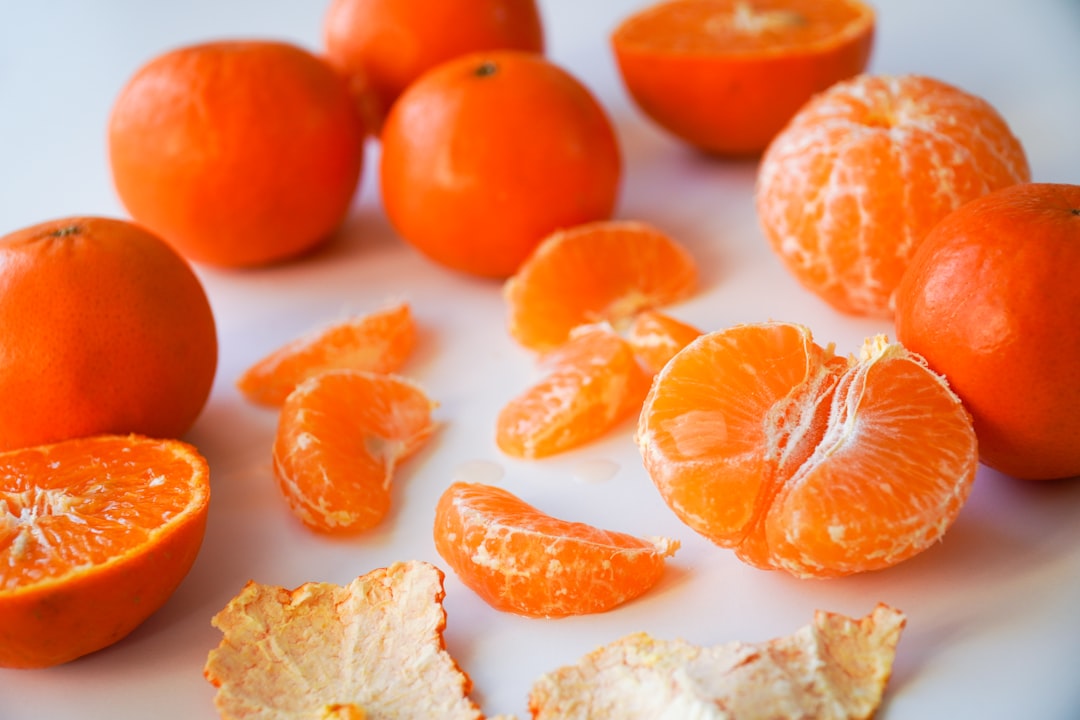
Photo: Karolina Kołodziejczak · Unsplash License
Where it comes from
A mandarin orange, often simply called mandarin, is a small, rounded citrus tree fruit. Treated as a distinct species of orange, it is usually eaten plain or in fruit salads. The mandarin is small and oblate, unlike the roughly spherical sweet orange. The taste is sweeter and stronger than the common orange. A ripe mandarin orange is firm to slightly soft, heavy for its size, and pebbly-skinned. The peel is thin and loose, with little white mesocarp, so they are usually easier to peel and to split into segments. Hybrids have these traits to lesser degrees. The mandarin orange is tender and is damaged easily by cold. It can be grown in tropical and subtropical areas.
Where it grows
Note · FAO bundle
Source: FAO STAT — Crops and Livestock Products, 2024
Things worth knowing
- 01
The mandarin orange, known scientifically as Citrus reticulata, is a small, rounded fruit from the Rutaceae family.
- 02
Unlike the common orange, the mandarin is small and oblate in shape, offering a sweeter and stronger taste.
- 03
While its exact native region remains unknown, China is currently the top global producer of mandarins.
- 04
In 2024, China produced a significant portion of the world's 51.9 million tonnes of mandarin oranges.
- 05
Mandarins are a delightful citrus fruit, typically enjoyed fresh or incorporated into vibrant fruit salads.
Health & nutrition
- Mandarins are a good source of Vitamin C, which may support immune function.
- This citrus fruit provides dietary fiber, potentially aiding in digestive wellness.
- The potassium content in mandarins may help with maintaining healthy fluid balance.
- As a source of antioxidants, mandarins can contribute to overall cellular health.
- Enjoying mandarins as part of a balanced diet may offer various nutritional advantages.
Informational only · not medical advice
Culinary uses
Mandarin oranges are a popular citrus fruit enjoyed worldwide, often eaten fresh due to their sweet and tangy flavor. They are a common addition to fruit salads and can be used in both sweet and savory dishes. In some regions, their zest is used to add aromatic complexity to baked goods and marinades, while the juice can be incorporated into dressings and sauces.