Manila Tamarind
Pithecellobium dulce
- Energy
- 82kcal
- Native
- —
- Top Producer
- —
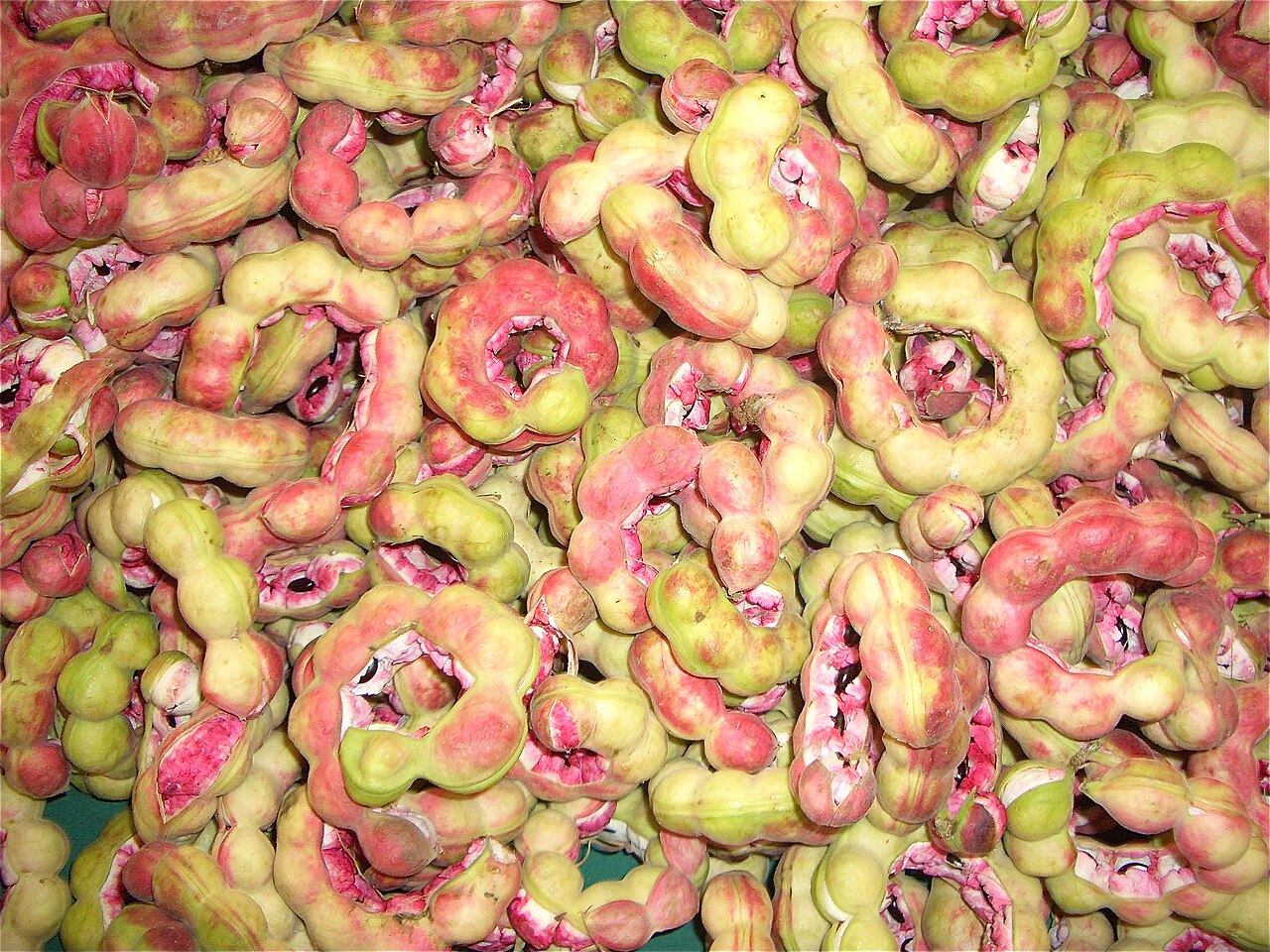
Photo: Susan Slater · CC BY-SA 4.0
Where it comes from
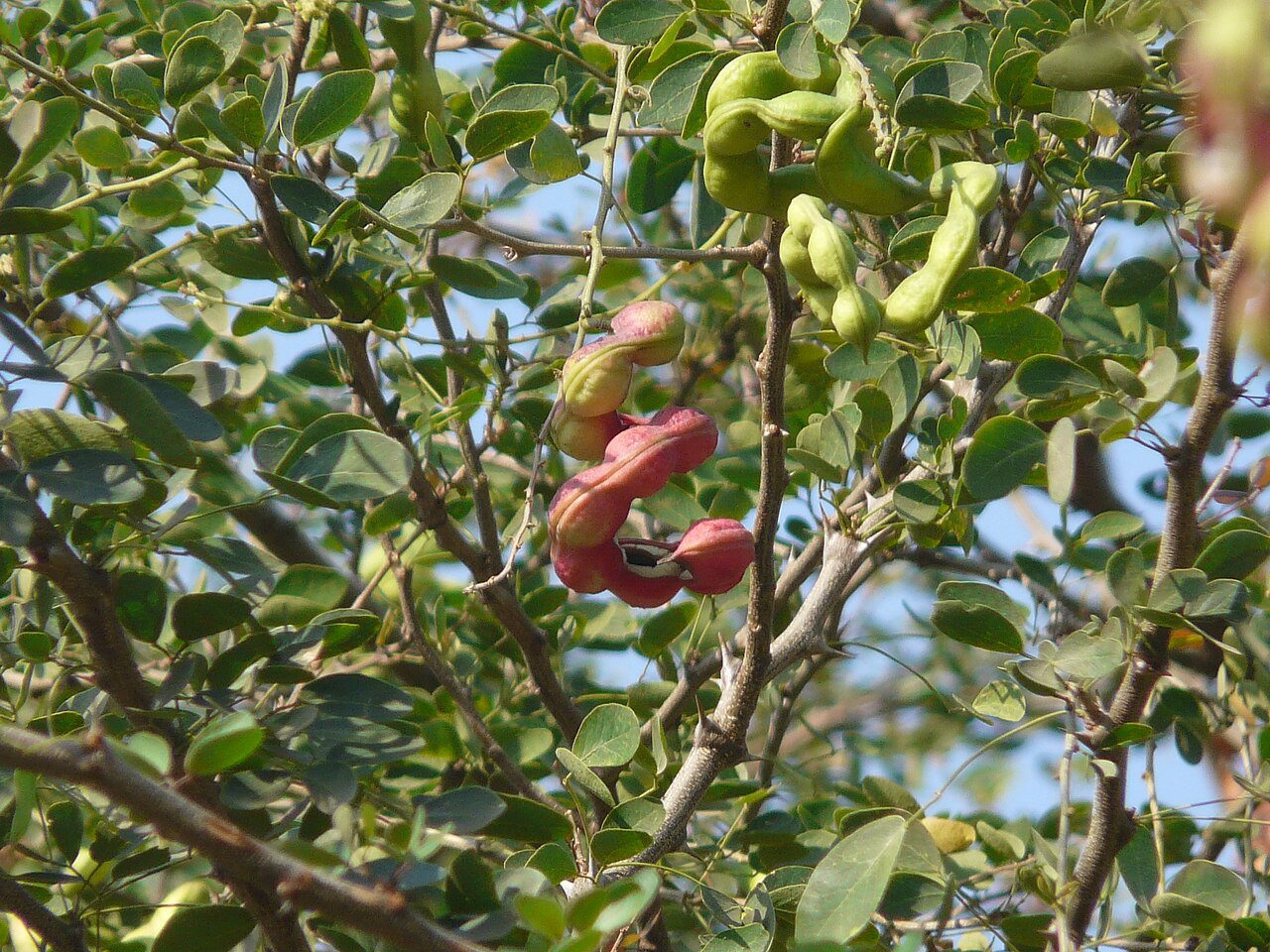
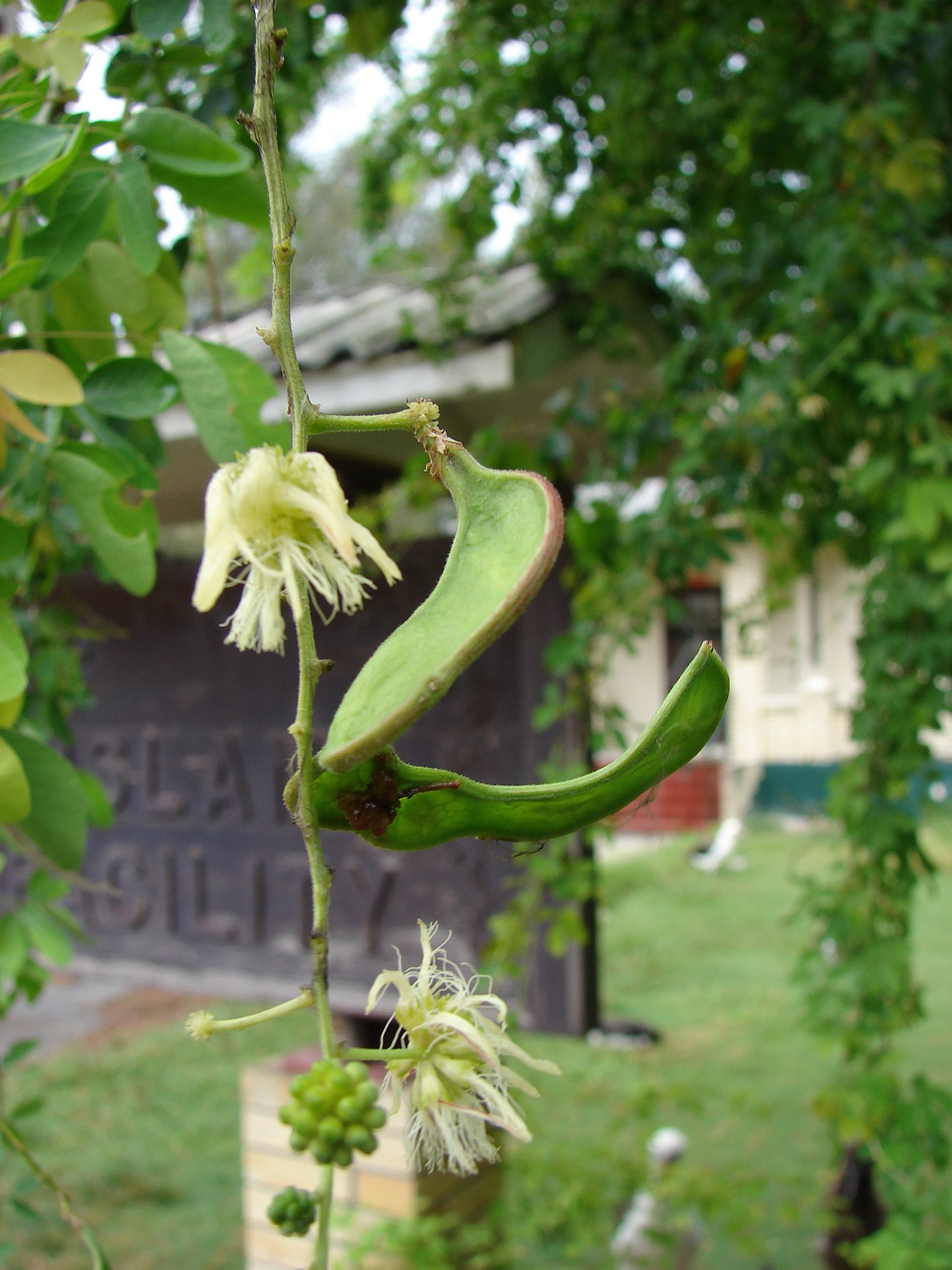
Pithecellobium dulce, commonly known as Manila tamarind, Madras thorn, monkeypod tree or camachile, is a species of flowering plant in the pea family, Fabaceae, that is native to the Pacific Coast and adjacent highlands of Mexico, Central America, and northern South America. It is also sometimes known as monkeypod, but that name is also used for several other plants, including Samanea saman. It is an introduced species and extensively naturalized in the Caribbean and Florida, as well as the Philippines and Guam via the Manila galleons. It has also been introduced to Cambodia, Thailand and South Asia, It is considered an invasive species in Hawaii.
Things worth knowing
- 01
Manila tamarind, scientifically known as Pithecellobium dulce, belongs to the pea family, Fabaceae.
- 02
This exotic fruit is also recognized by several other common names, including Madras thorn and monkeypod.
- 03
While its exact native region is unknown, it thrives in tropical and subtropical climates worldwide.
- 04
Each 100-gram serving of Manila tamarind offers a moderate 82 kilocalories.
- 05
This fruit provides a notable 55.78 milligrams of Vitamin C per 100 grams.
Health & nutrition
- Manila tamarind is a good source of dietary fiber, which may support digestive health.
- It is a source of Vitamin C, an important antioxidant that may help protect cells.
- The fruit contains potassium, which plays a role in maintaining fluid balance.
- Its nutritional profile may contribute to overall well-being as part of a balanced diet.
- The fiber content might help promote a feeling of fullness.
Informational only · not medical advice
Culinary uses
Manila tamarind is enjoyed in various ways across different regions. In its native areas, the sweet and tart pulp is often eaten fresh or used to make refreshing drinks and jams. The pods can also be dried and ground into a powder for use in traditional dishes. Its unique flavor profile makes it a versatile ingredient for both sweet and savory preparations.