Sapodilla
Manilkara zapota
- Energy
- 73kcal
- Native
- —
- Top Producer
- CHN
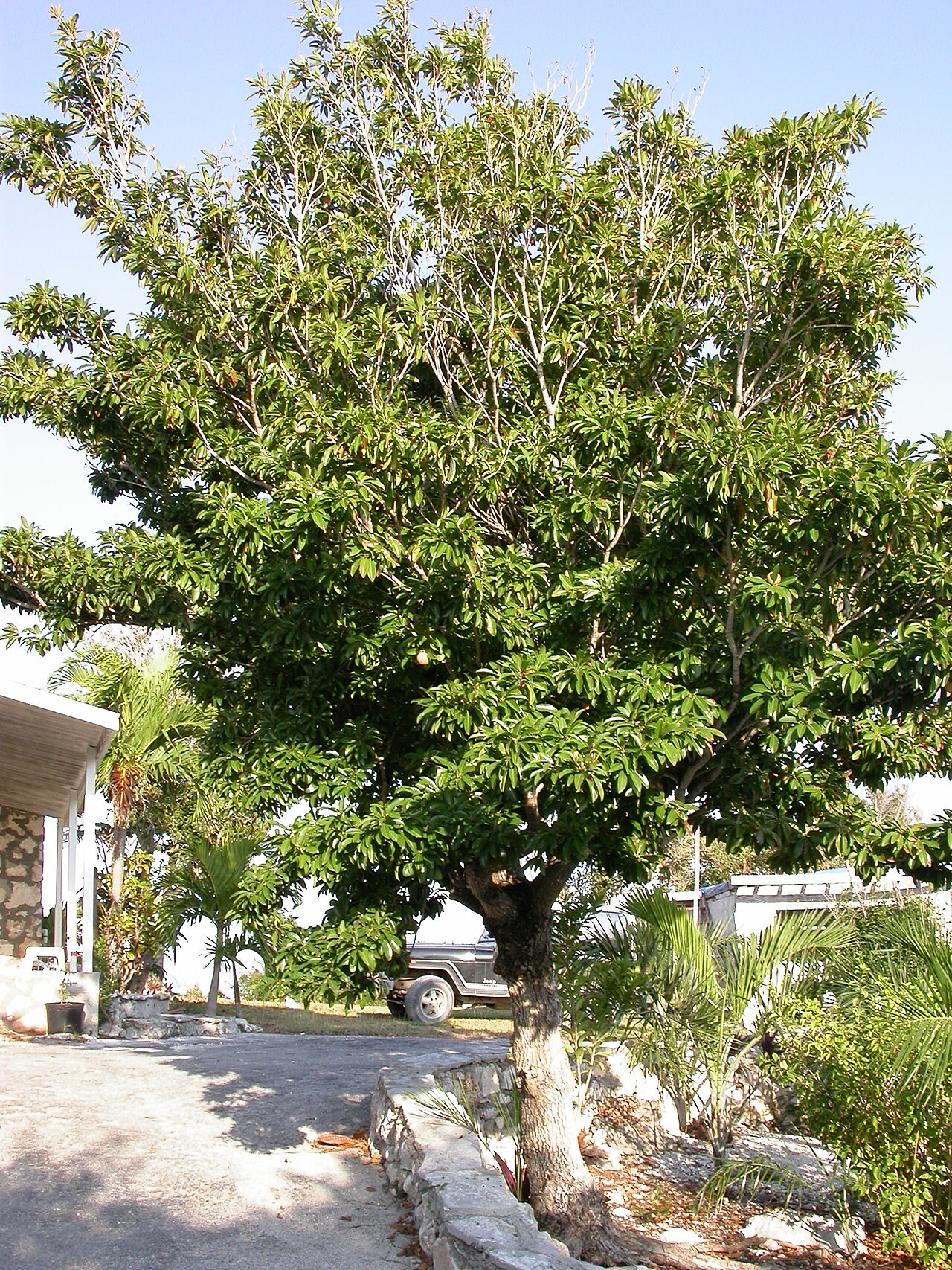
Photo: Richard Stanway · Public domain
Where it comes from
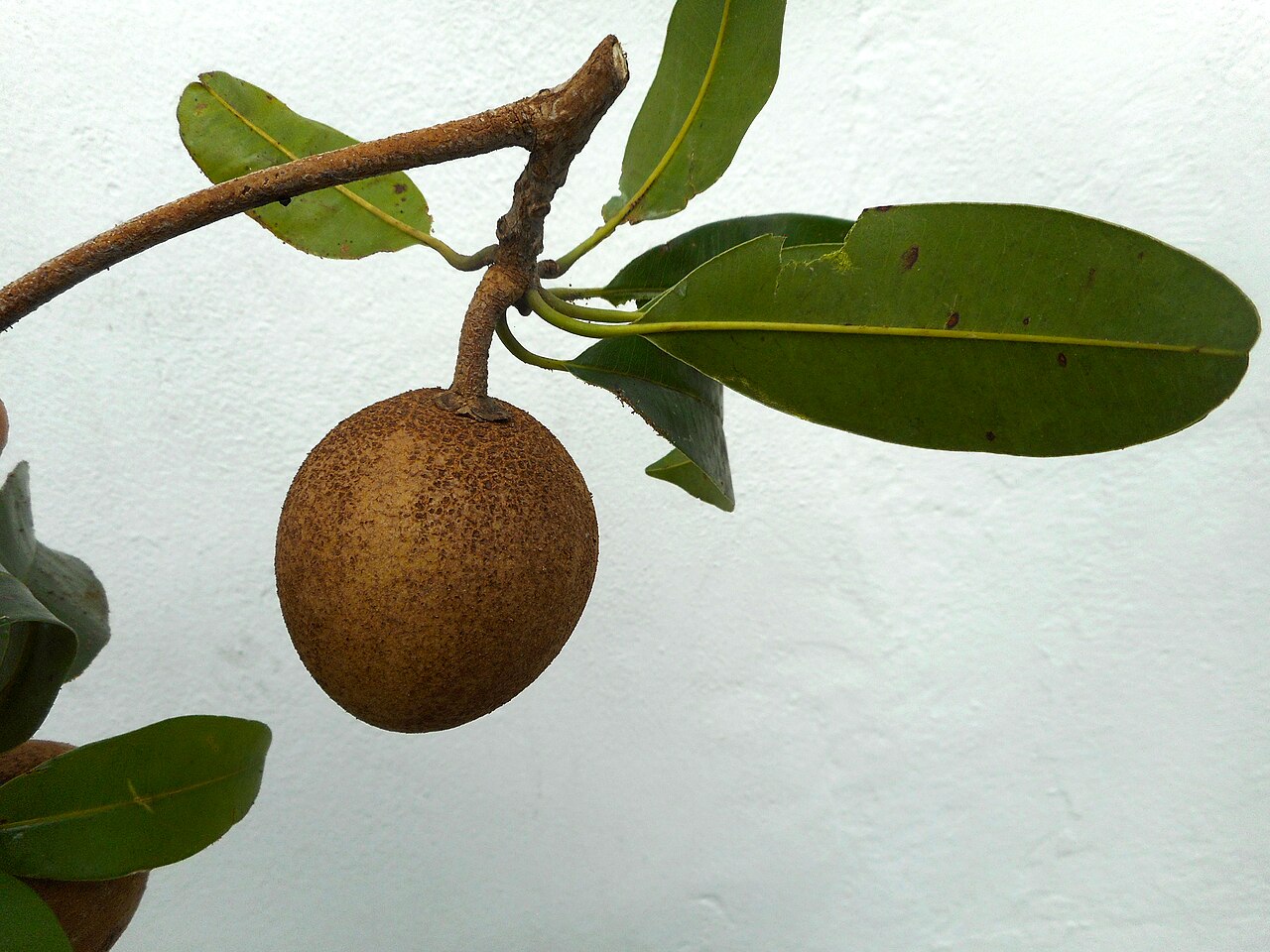
Manilkara zapota, commonly known as sapodilla, sapote, chicozapote, chico, chicoo, chicle, naseberry, nispero, or soapapple, among other names, is an evergreen tree native to southern Mexico and Central America. An example natural occurrence is in coastal Yucatán, in the Petenes mangroves ecoregion, where it is a subdominant plant species. It was introduced to the Philippines during Spanish colonization. It is grown in large quantities in Mexico and in tropical Asia, including India, Pakistan, Thailand, Malaysia, Cambodia, Indonesia, Vietnam, Bangladesh, as well as in the Caribbean.
Where it grows
Note · FAO 'Other tropical fruits'
Source: FAO STAT — Crops and Livestock Products, 2024
Things worth knowing
- 01
The sapodilla tree, scientifically known as Manilkara zapota, is an evergreen species found in southern Mexico and Central America.
- 02
This fruit is known by many names worldwide, including chicozapote, naseberry, and even soapapple, depending on the region.
- 03
Sapodilla is a subdominant plant species found naturally in the Petenes mangroves ecoregion of Mexico's Yucatán Peninsula.
- 04
In 2024, China was reported as the top producer of sapodilla, contributing to a global production of 23.9 million tonnes.
- 05
Sapodilla offers a significant amount of dietary fiber, with 9.60 grams per 100 grams, aiding digestive health.
Health & nutrition
- Sapodilla is a good source of dietary fiber, which may support healthy digestion.
- This fruit provides vitamin C, an antioxidant that may help protect cells from damage.
- The potassium content in sapodilla may contribute to maintaining normal blood pressure levels.
- Sapodilla offers natural sugars that provide energy for the body.
- As a source of various nutrients, sapodilla can be part of a balanced diet.
Informational only · not medical advice
Culinary uses
Sapodilla is enjoyed globally for its sweet, malty flavor, often compared to brown sugar or caramel. It can be eaten fresh, typically after peeling its skin, or used in smoothies, milkshakes, and desserts. In some regions, it's incorporated into jams, jellies, and baked goods. The unripe fruit can also be used to make a type of chewing gum, historically derived from its latex.