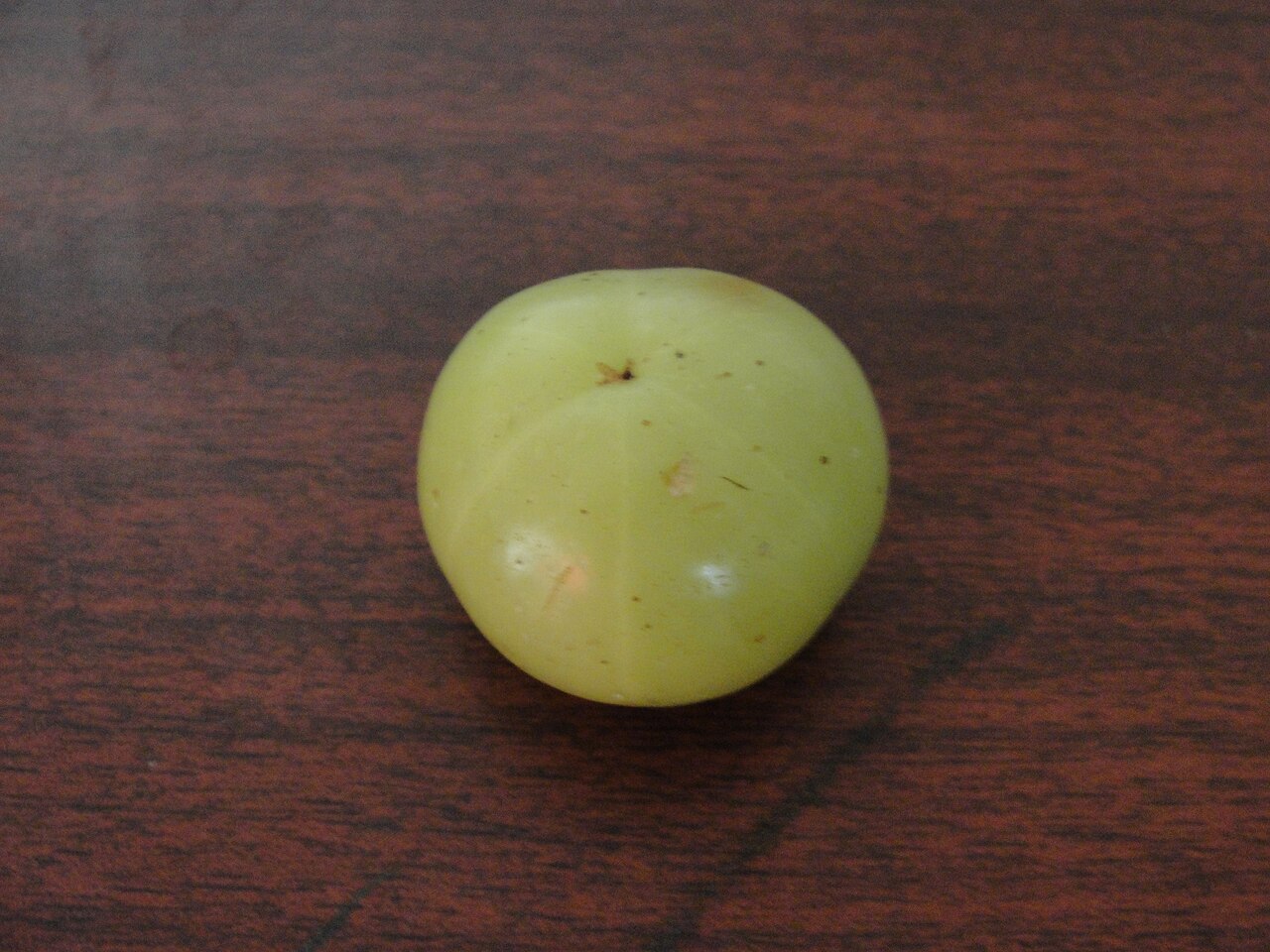
Pawpaw
Asimina triloba
- Energy
- —
- Native
- —
- Top Producer
- —
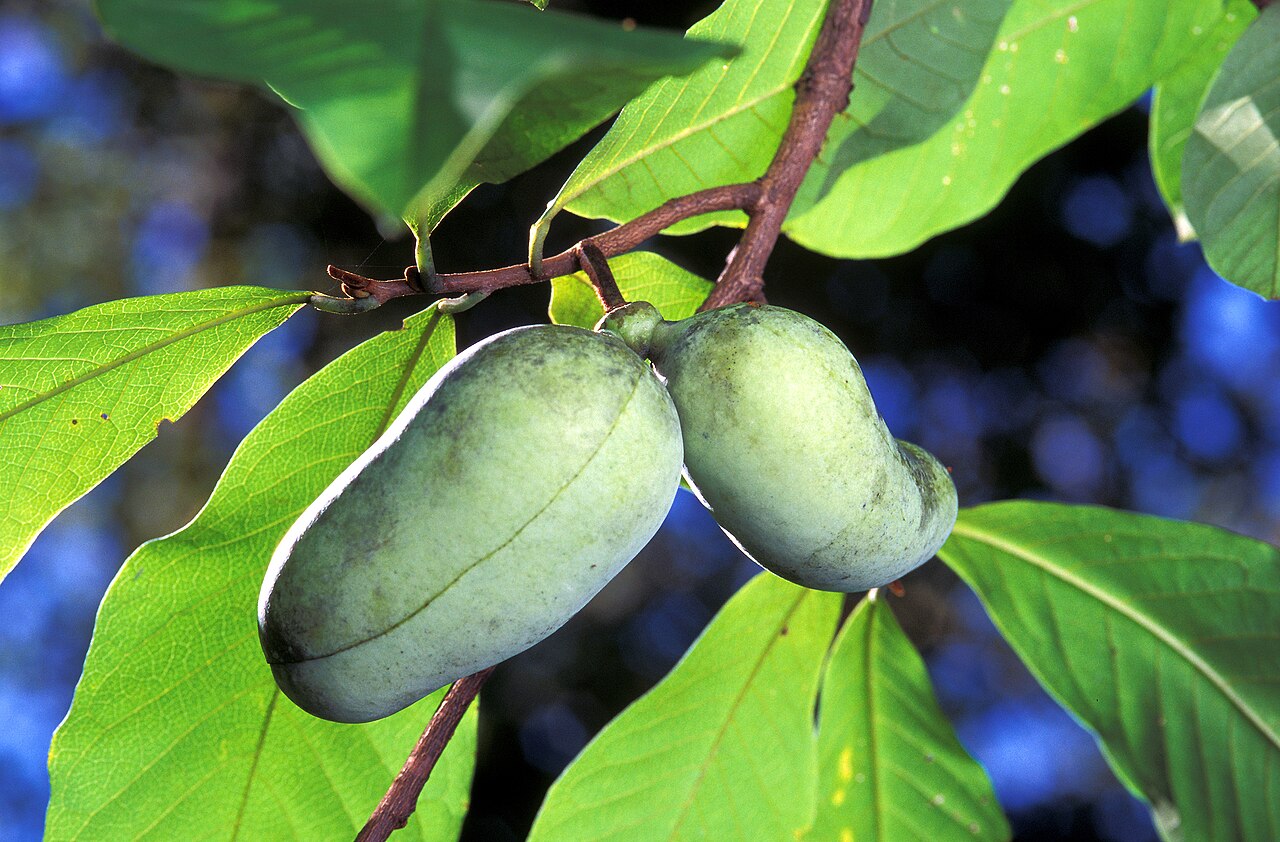
Photo: Scott Bauer, USDA · Public domain
Where it comes from
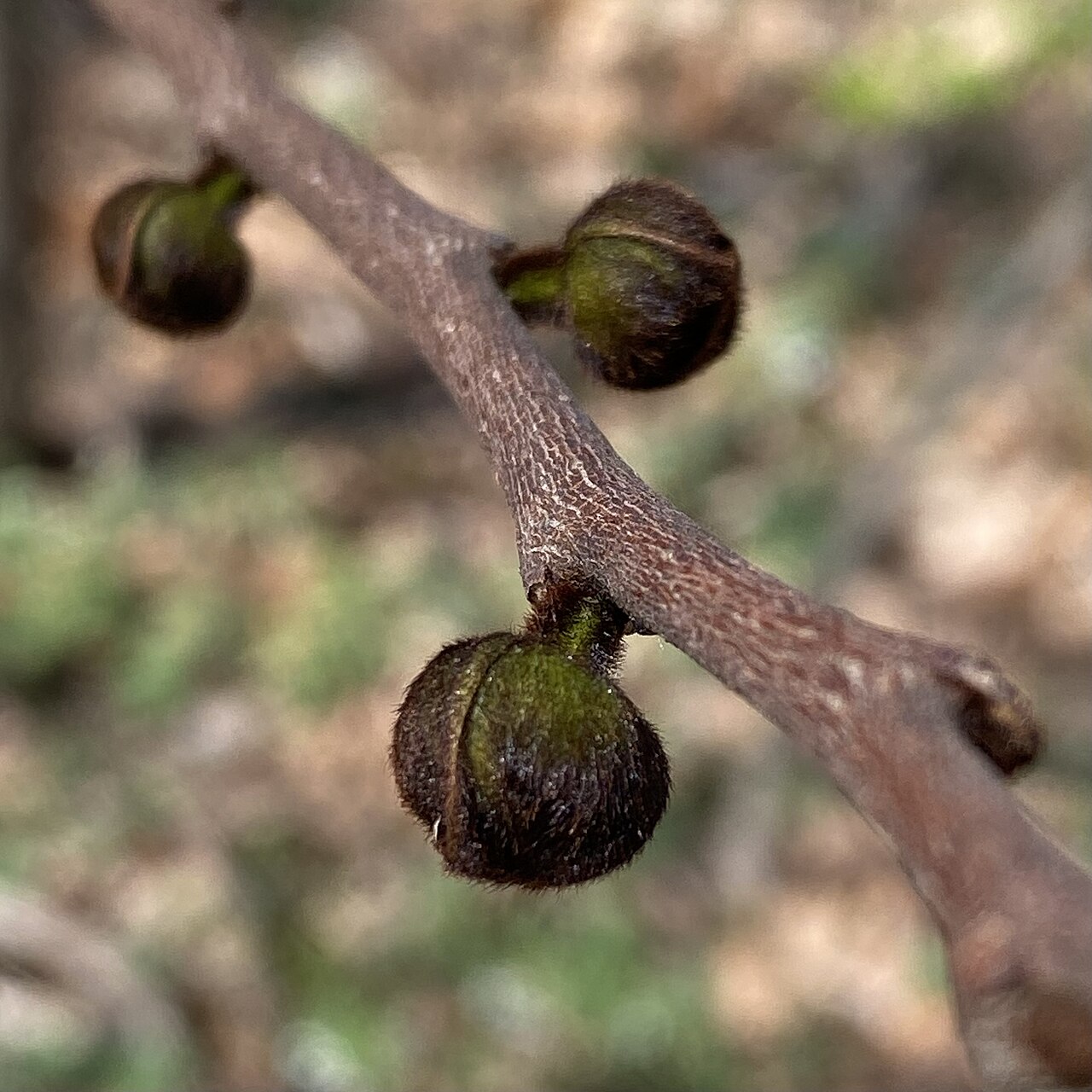
Asimina triloba, the American papaw, pawpaw, paw paw, or paw-paw, among many regional names, is a species of small deciduous tree. It has large leaves and produces a large, yellowish-green to brown fruit.
Things worth knowing
- 01
The pawpaw tree, scientifically known as Asimina triloba, is a deciduous species notable for its large leaves.
- 02
This tree produces a unique fruit that can range in color from yellowish-green to a rich brown.
- 03
While its exact native region remains unknown, the pawpaw is recognized by many different regional names.
- 04
Pawpaws belong to the Annonaceae family, which is a botanical grouping of flowering plants.
- 05
This fruit is considered exotic, adding an interesting element to the world of edible plants.
Health & nutrition
- Pawpaws are a source of dietary fiber, which may support digestive health.
- This fruit contains Vitamin C, an important nutrient that may aid immune function.
- Pawpaws provide potassium, a mineral that is essential for maintaining fluid balance.
- The nutrients found in pawpaws may contribute to overall well-being.
- Consuming pawpaws can be part of a balanced diet rich in various vitamins and minerals.
Informational only · not medical advice
Culinary uses
The pawpaw fruit's unique flavor profile lends itself to various culinary applications. Regionally, it is often enjoyed fresh due to its sweet, custard-like texture. It can also be incorporated into smoothies, ice creams, and baked goods, offering a tropical twist to desserts. Some cultures also use it in jams and preserves.