Tamarind
Tamarindus indica
- Energy
- 288kcal
- Native
- —
- Top Producer
- IND
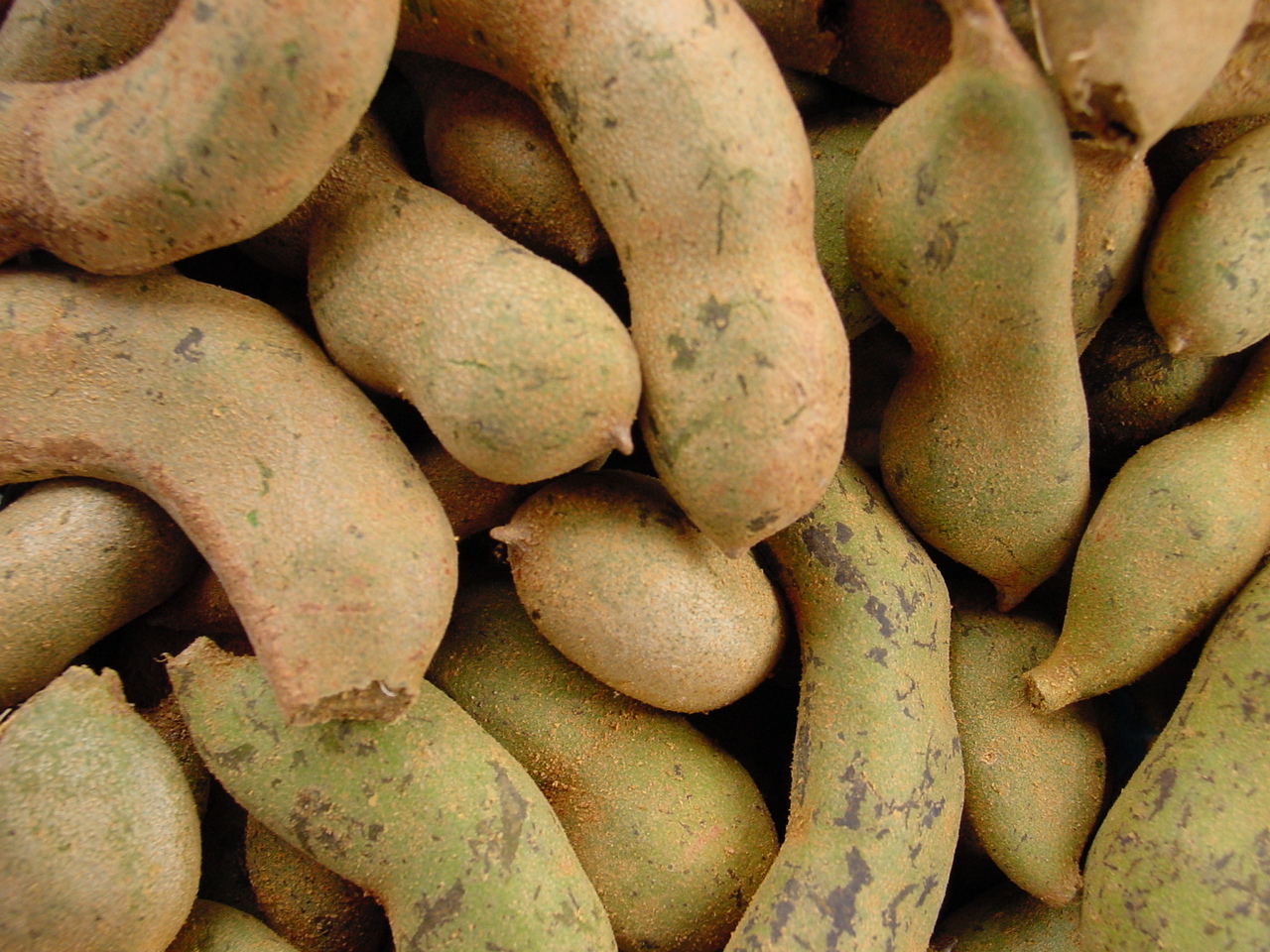
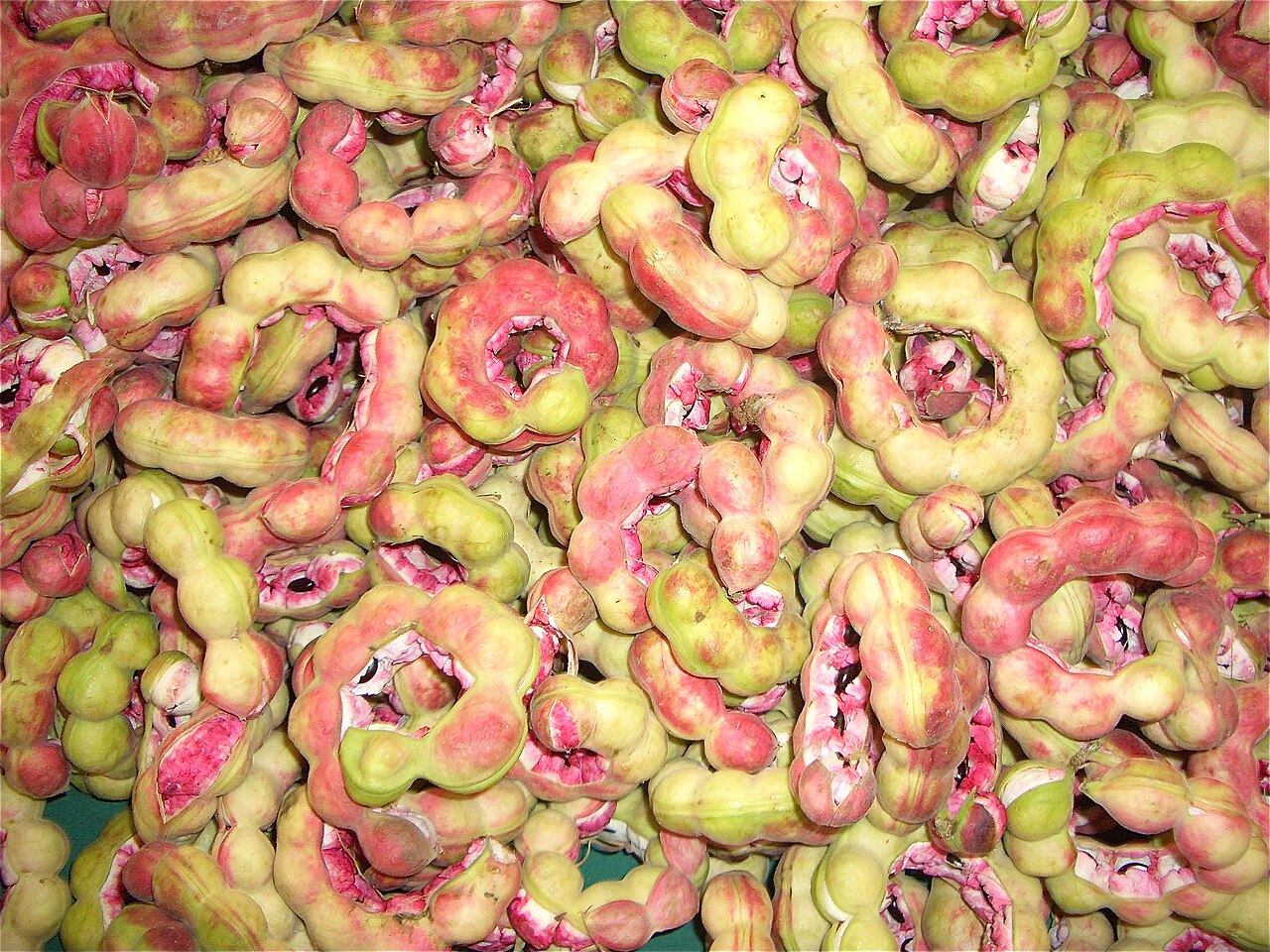
Photo: Mlvalentin at English Wikipedia · Public domain
Where it comes from
Tamarind is a leguminous tree bearing edible fruit that is indigenous to tropical Africa and naturalized in Asia. The genus Tamarindus is monotypic, meaning that it contains only this species. It belongs to the family Fabaceae.
Where it grows
Note · Inside FAO 'Other fruits'
Source: FAO STAT — Crops and Livestock Products, 2024
Things worth knowing
- 01
Tamarind, scientifically known as Tamarindus indica, is the only species within its genus, making it quite unique.
- 02
This tropical fruit comes from a leguminous tree, placing it in the same botanical family as peas and beans.
- 03
While its exact native region remains unknown, tamarind has become widely naturalized across tropical Asia.
- 04
The top global producer of tamarind, as of FAO 2024 data, is India, contributing significantly to its world production.
- 05
Tamarind trees yield edible fruits that are a staple in many cuisines around the world.
Health & nutrition
- Tamarind is a good source of dietary fiber, which may support digestive health.
- With 288 kcal per 100g, it provides a significant energy boost.
- This fruit is a source of potassium, an important mineral for bodily functions.
- Tamarind contains vitamin C, which may contribute to immune system support.
- The fiber content in tamarind may play a role in satiety and weight management.
Informational only · not medical advice
Culinary uses
Tamarind's unique sweet and sour flavor makes it a versatile ingredient globally. It is a key component in many South Asian chutneys, curries, and sauces, adding a distinctive tang. In Southeast Asia, it's used in candies, drinks, and savory dishes. Latin American cuisines also feature tamarind in refreshing beverages, marinades, and desserts.