Pomegranate
Punica granatum
- Energy
- 83kcal
- Native
- —
- Top Producer
- IND
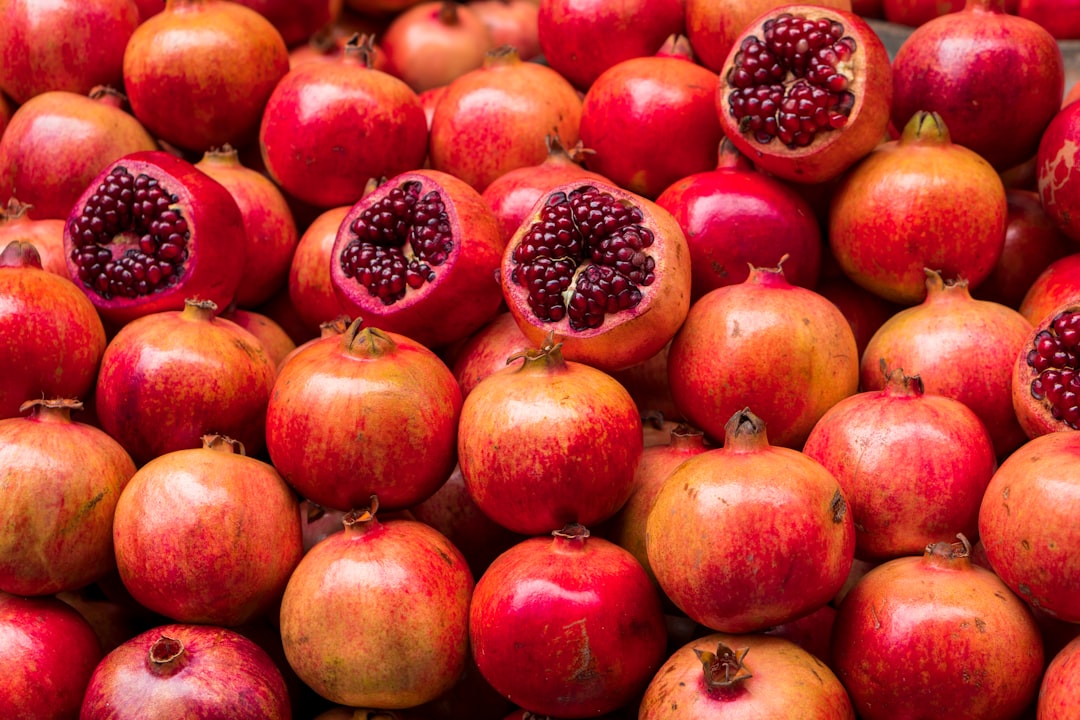
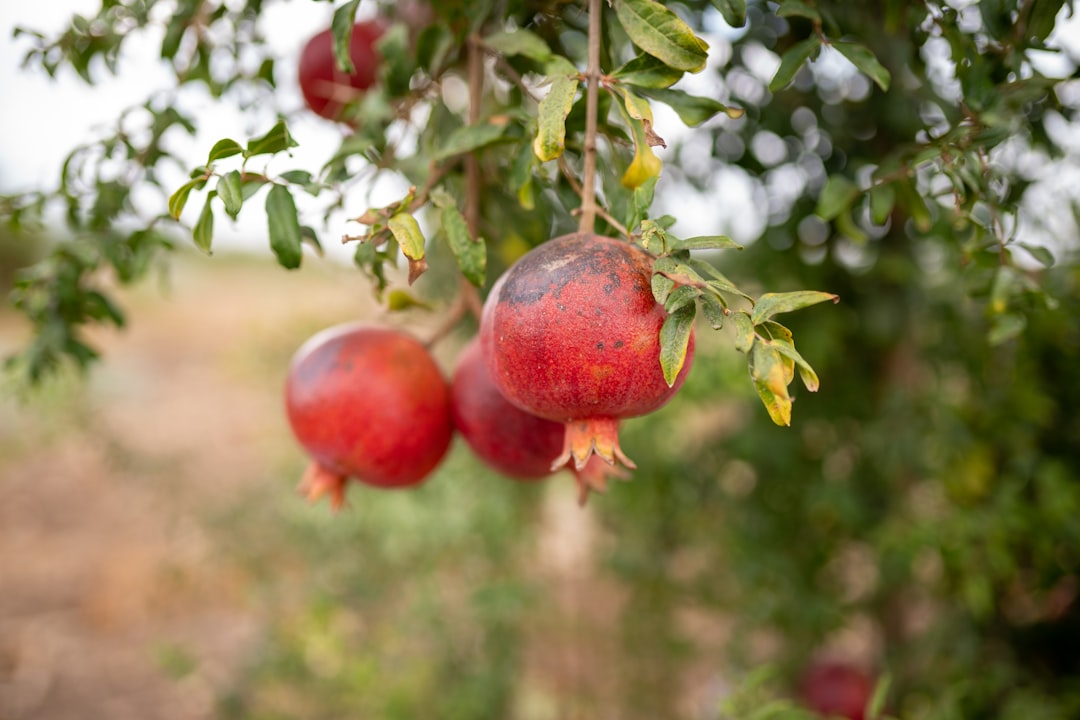
Photo: Jonas Renner · Unsplash License
Where it comes from
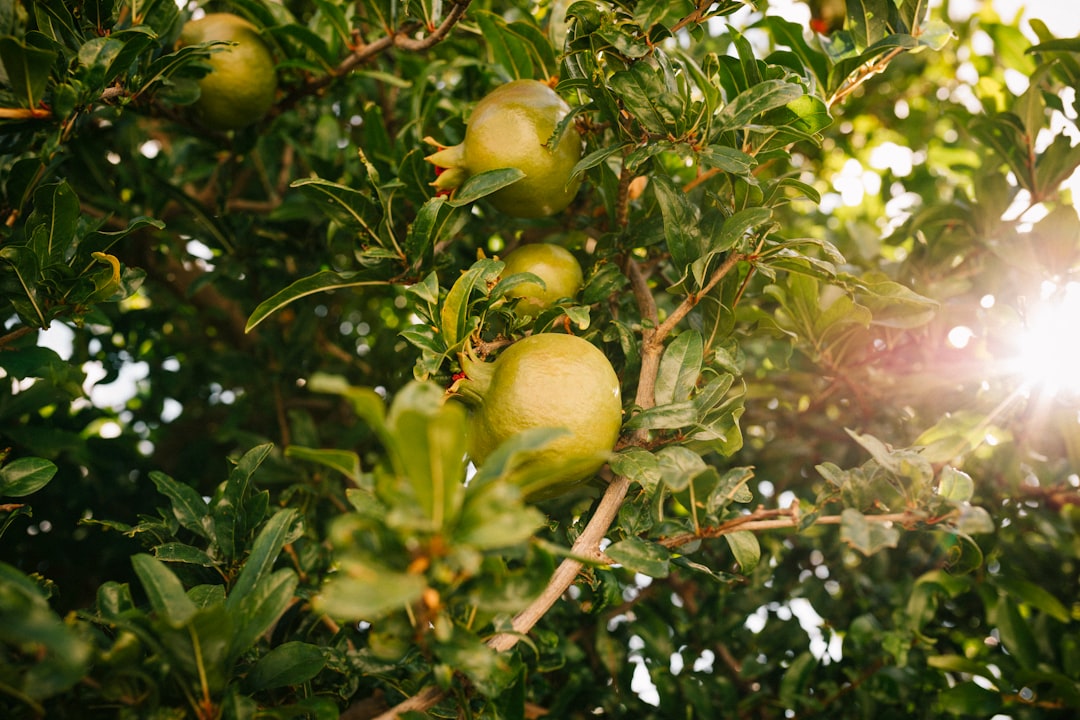
The pomegranate is a fruit-bearing, deciduous shrub in the family Lythraceae, subfamily Punicoideae, that grows to between 1.5–5 metres (5–16 ft) tall. Rich in symbolic and mythological associations in many cultures, it originated in the region spanning the Caucasus and the Iranian plateau — including modern-day Iran, Turkmenistan, Afghanistan and Pakistan. Pomegranate was first domesticated by ancient Iranians in the Iranian plateau and nearby regions about 5,000 years ago. It is extensively cultivated for its fruit.
Where it grows
Note · Inside FAO 'Other fruits'
Source: FAO STAT — Crops and Livestock Products, 2024
Things worth knowing
- 01
The pomegranate, scientifically known as Punica granatum, is a fruit-bearing shrub that can grow up to 16 feet tall.
- 02
This exotic fruit belongs to the Lythraceae family and is rich in symbolic and mythological associations across many cultures.
- 03
While its exact native region is unknown, it likely originated in the area of the Caucasus and the Iranian plateau.
- 04
India is the top producer of pomegranates globally, contributing significantly to the world's annual production of 39.2 million tonnes.
- 05
Pomegranates offer a nutritional profile that includes vitamin C and potassium, making them an interesting dietary addition.
Health & nutrition
- Pomegranates are a source of dietary fiber, which may support digestive health.
- This fruit contains vitamin C, an antioxidant that may contribute to immune system function.
- The potassium content in pomegranates may help support healthy blood pressure levels.
- Antioxidants found in pomegranates are thought to combat oxidative stress in the body.
- Regular consumption of fruits like pomegranate may be part of a balanced diet.
Informational only · not medical advice
Culinary uses
Pomegranates are enjoyed worldwide, both fresh and in various culinary preparations. Their jewel-like arils can be sprinkled over salads, yogurt, or desserts for a burst of flavor and texture. In the Middle East, pomegranate molasses is a key ingredient in stews and marinades, adding a unique sweet and tart dimension. The juice is also popular for making refreshing drinks and cocktails.
![Marang - UploadWizard photos -- (General description, 3-dimension angle by angle photography of this town, church & landmarks) --Centro, downtown, town centre of Dupax del Norte, Nueva Vizcaya[1] - Scenery and landmarks, Dupax del Norte Central School in front of the Church -- the -Saint Ann](/photos/marang/01.jpg)