Cacao
Theobroma cacao
- Energy
- 550kcal
- Native
- —
- Top Producer
- —
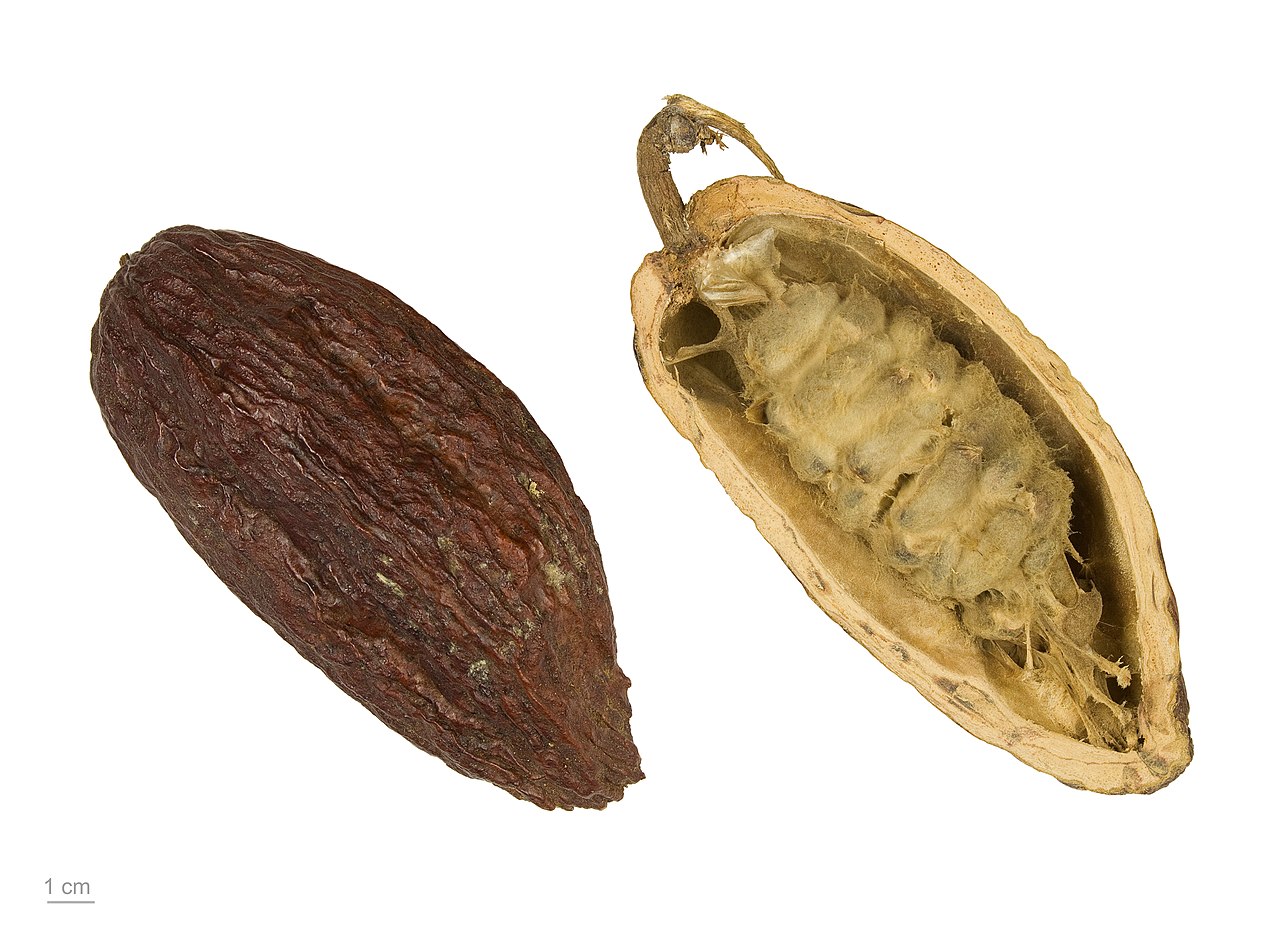
Photo: Roger Culos · CC BY-SA 3.0
Where it comes from
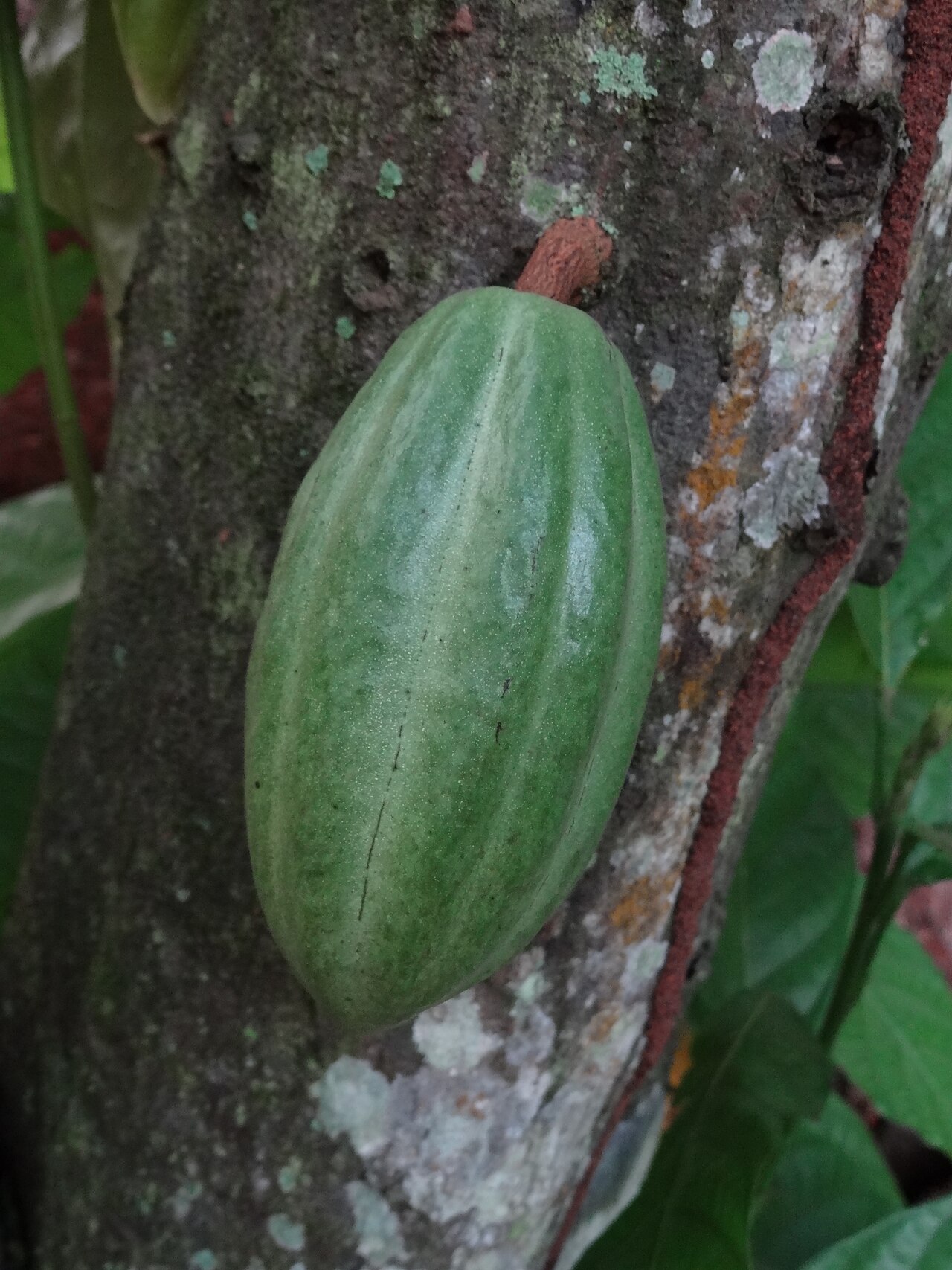
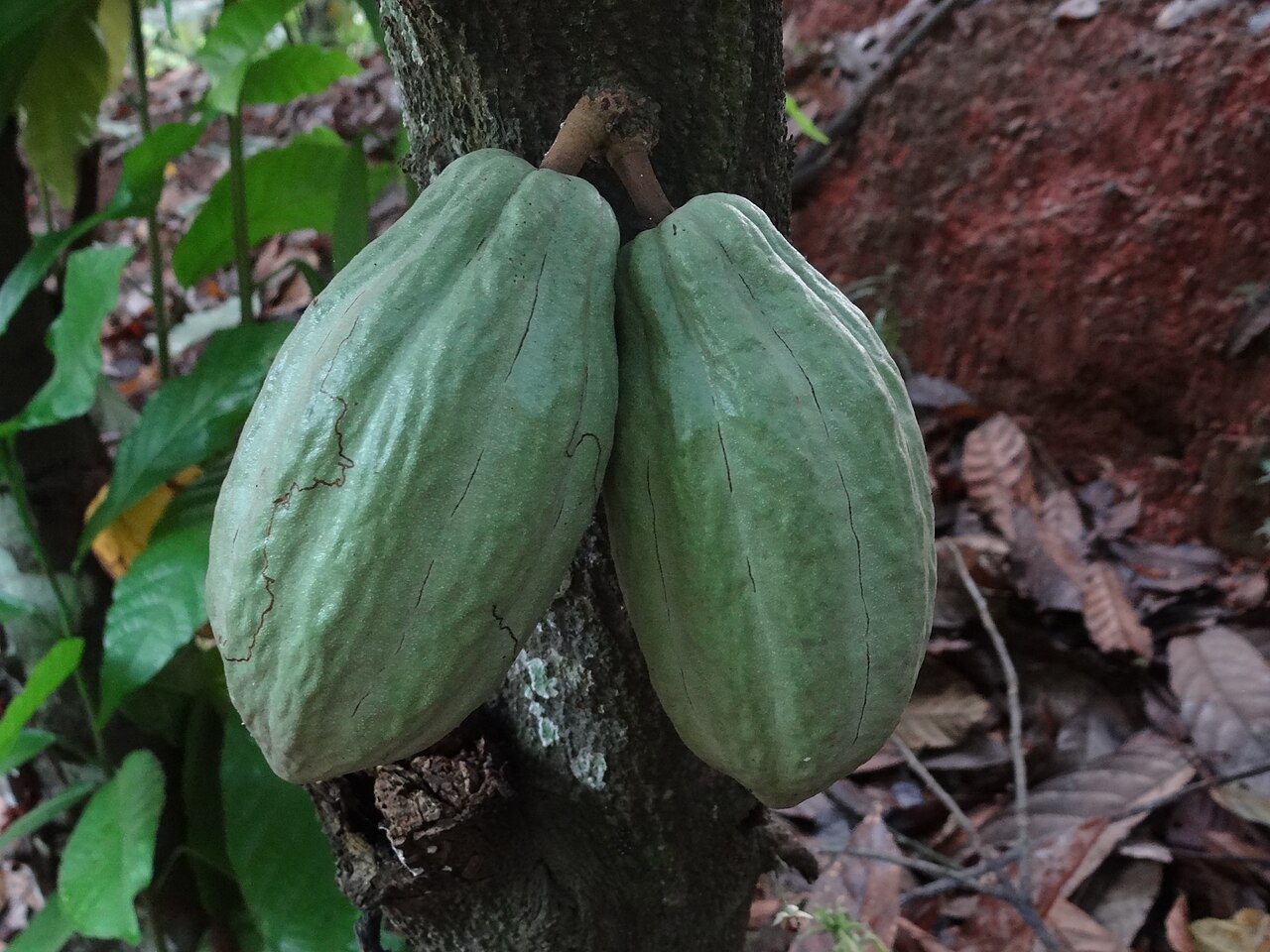
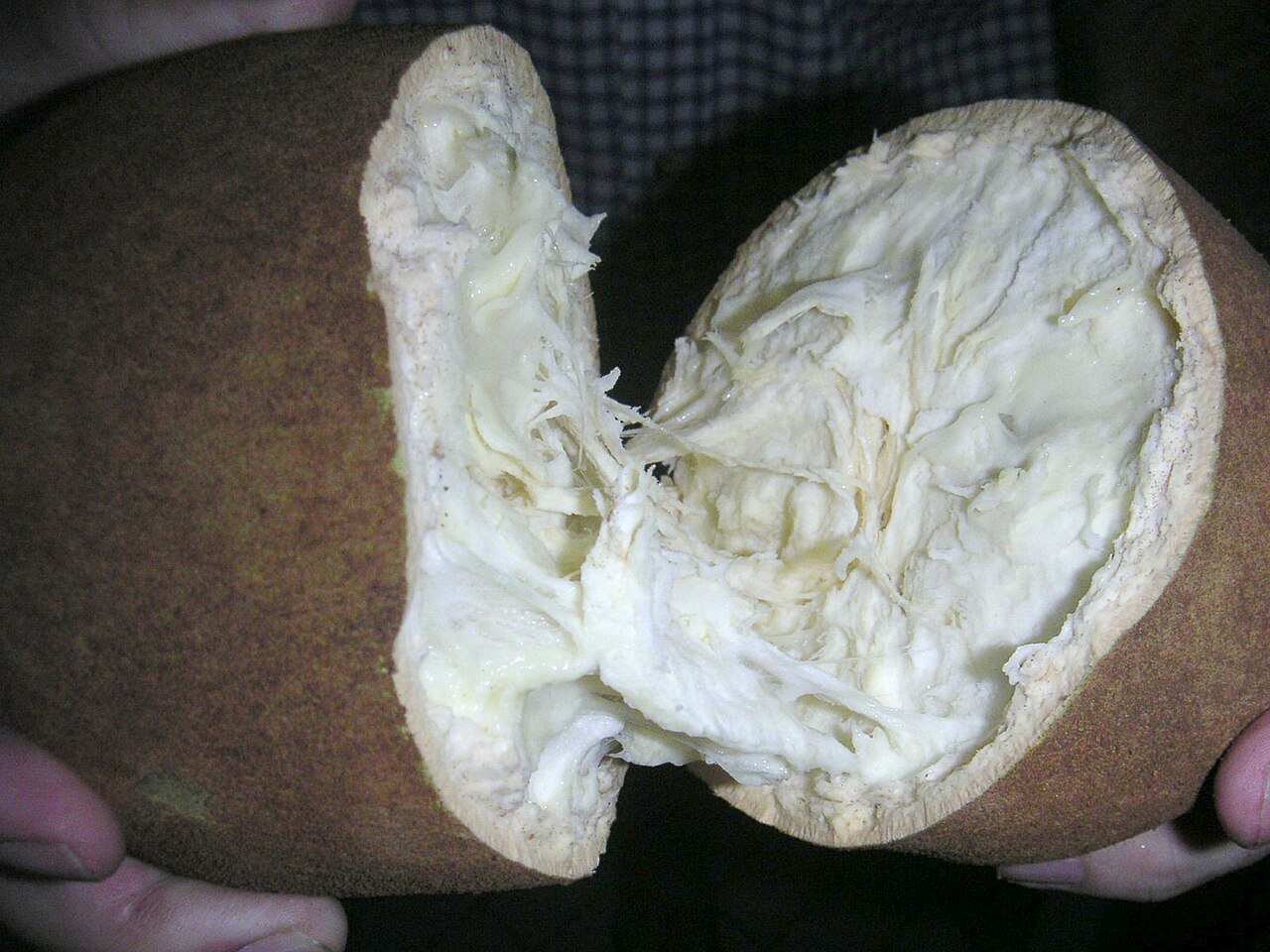
Theobroma cacao is a small evergreen tree in the Malvaceae family. Its seeds—cocoa beans when dried and fermented—are used to make chocolate liquor, cocoa solids, cocoa butter and chocolate. Although the tree is native to the tropics of the Americas, the largest producer of cocoa beans in 2022 was Côte d'Ivoire.
Things worth knowing
- 01
The cacao tree, scientifically known as Theobroma cacao, belongs to the Malvaceae family, which also includes plants like hibiscus.
- 02
While its exact native region remains unknown, cacao trees thrive in the tropical regions of the Americas.
- 03
Cocoa beans, the dried and fermented seeds of the cacao tree, are the foundation for all chocolate products.
- 04
These beans are processed into essential ingredients like chocolate liquor, cocoa solids, and cocoa butter.
- 05
In 2022, Côte d'Ivoire emerged as the world's leading producer of cacao beans, highlighting its global importance.
Health & nutrition
- Cacao is a source of dietary fiber, which may support digestive health.
- It provides potassium, an essential mineral that plays a role in maintaining fluid balance.
- The plant contains magnesium, which is involved in numerous bodily functions.
- Antioxidants found in cacao may help protect cells from damage.
- Consuming cacao in moderation is a source of energy due to its calorie content.
Informational only · not medical advice
Culinary uses
Cacao's transformation into chocolate is celebrated worldwide, forming the base for countless desserts, candies, and beverages. Beyond sweet applications, cacao nibs and powder add a complex, slightly bitter note to savory dishes like moles and rubs. Regional specialties often highlight cacao's versatility, from rich European chocolates to the vibrant flavors found in Latin American cuisine.