Phalsa
Grewia asiatica
- Energy
- 71kcal
- Native
- —
- Top Producer
- —
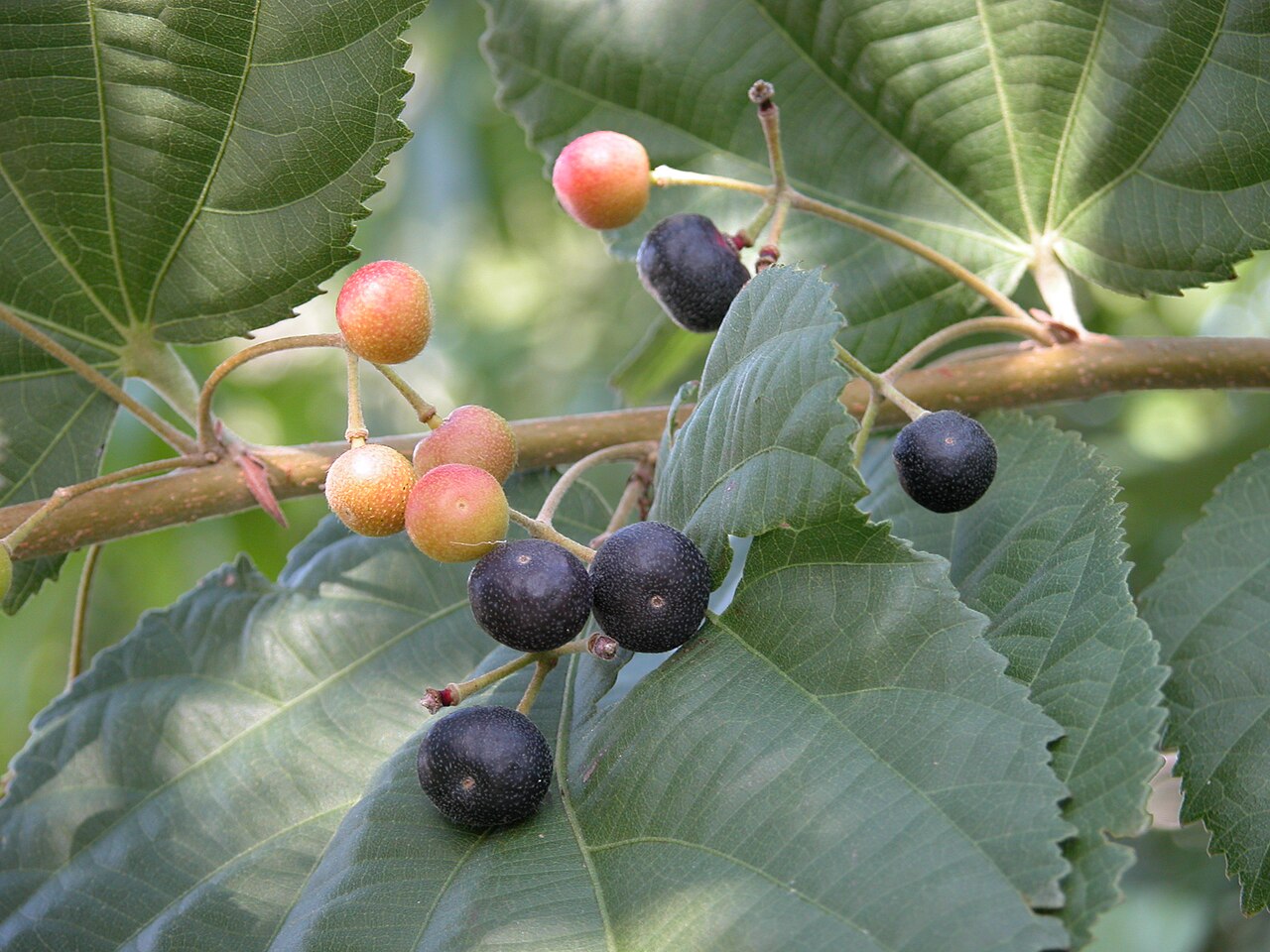
Photo: Asit K. Ghosh Thaumaturgist · CC BY-SA 3.0
Where it comes from
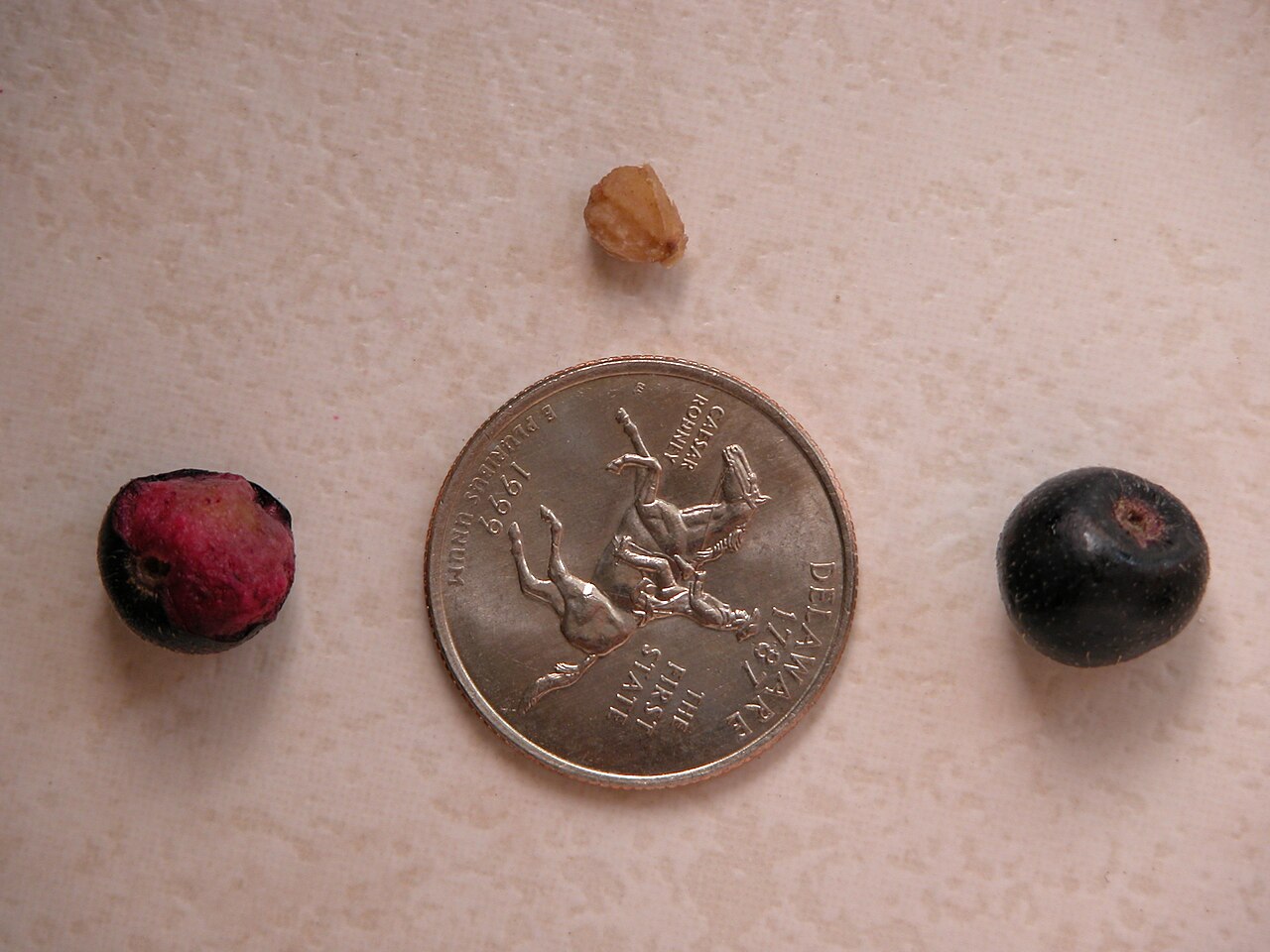
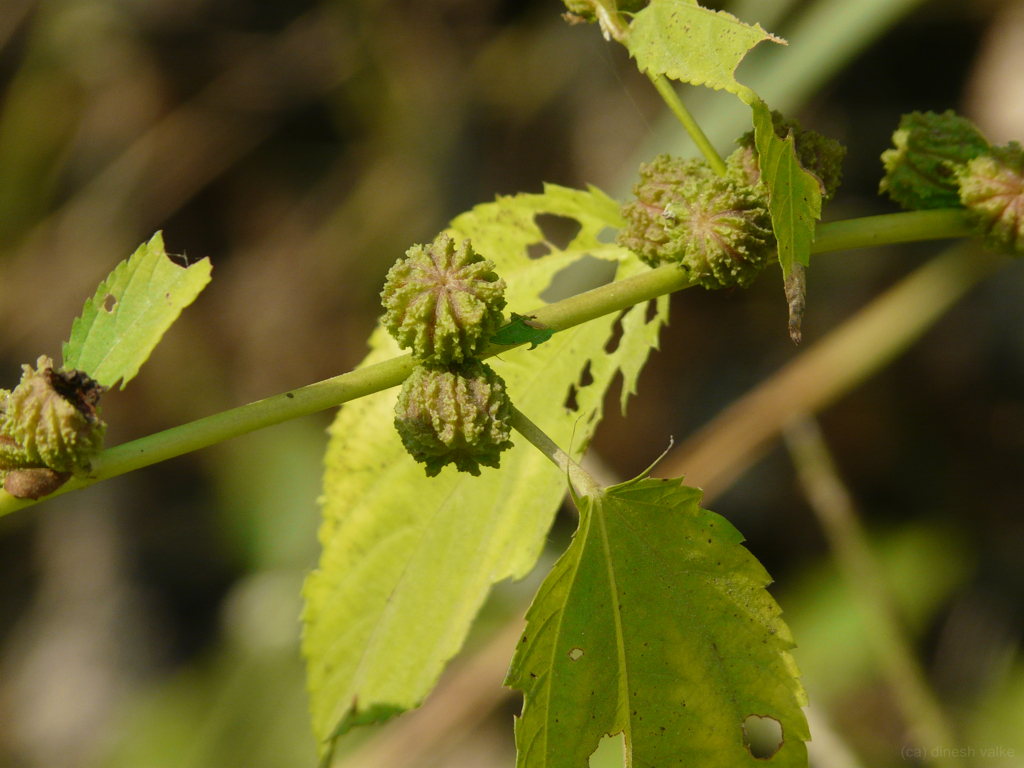
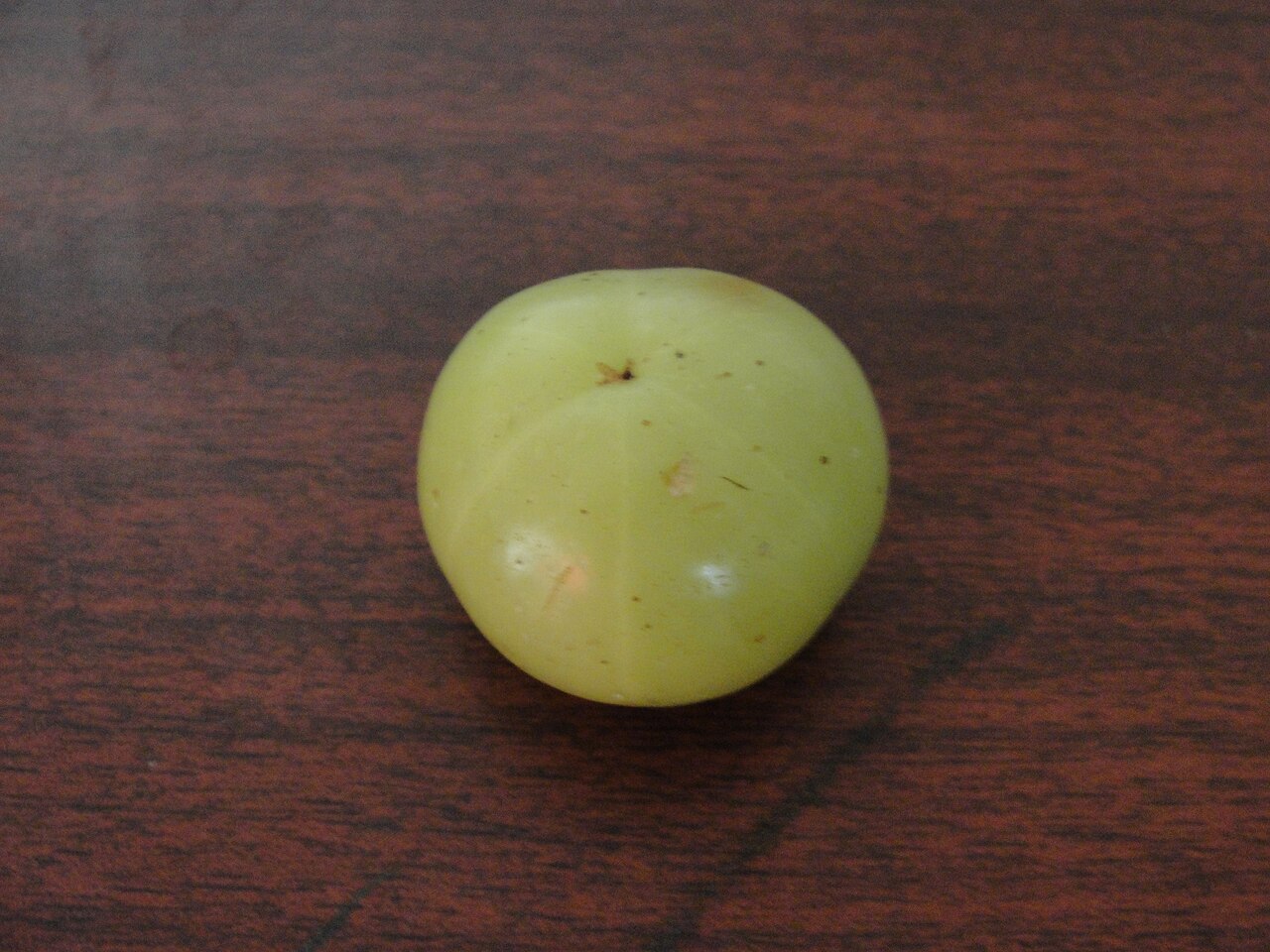
Grewia asiatica, commonly known as phalsa or falsa, is a species of flowering plant in the mallow family Malvaceae. Grewia celtidifolia was initially considered a mere variety of phalsa, but is now recognized as a distinct species.
Things worth knowing
- 01
The phalsa, scientifically known as Grewia asiatica, belongs to the mallow family, which also includes hibiscus and cotton.
- 02
While its exact origin remains a mystery, this exotic fruit is a delightful addition to the world's diverse produce.
- 03
Each 100-gram serving of phalsa offers a modest 71 kilocalories, making it a light and refreshing choice.
- 04
This fruit boasts a total dietary fiber content of 4.54 grams per 100 grams, contributing to its texture.
- 05
Phalsa contains 13.00 grams of sugar per 100 grams, providing a natural sweetness that is quite appealing.
Health & nutrition
- Phalsa is a source of vitamin C, an essential nutrient that may support immune function.
- The fruit provides potassium, an electrolyte that may help maintain fluid balance in the body.
- With 4.54g of fiber per 100g, phalsa may contribute to digestive wellness.
- The caloric content of 71 kcal/100g suggests phalsa can be part of a balanced diet.
- Phalsa's nutritional profile offers various compounds that may be beneficial for overall well-being.
Informational only · not medical advice
Culinary uses
Phalsa fruits are primarily consumed fresh, often enjoyed for their tangy and slightly sweet flavor. They are frequently used to make refreshing beverages, such as juices, sherbets, and mocktails, especially in South Asia. The fruit can also be incorporated into jams, jellies, and chutneys, adding a unique tartness to these preparations.