Lime
Citrus aurantiifolia
- Energy
- 30kcal
- Native
- —
- Top Producer
- IND
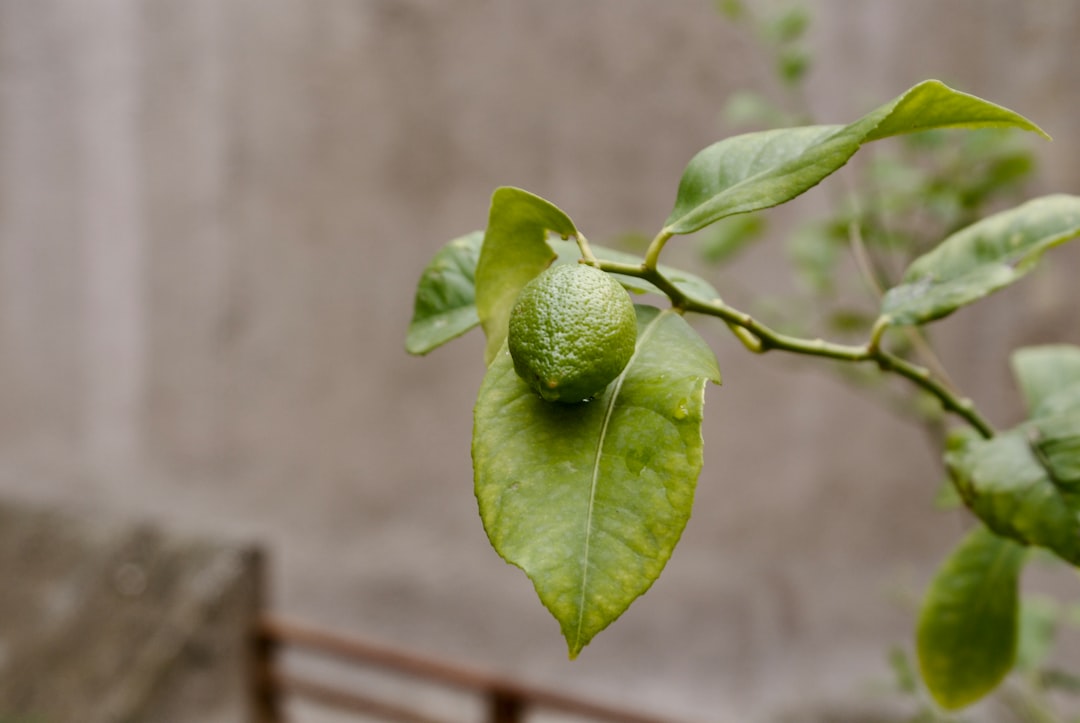
Photo: liam matthews · Unsplash License
Where it comes from
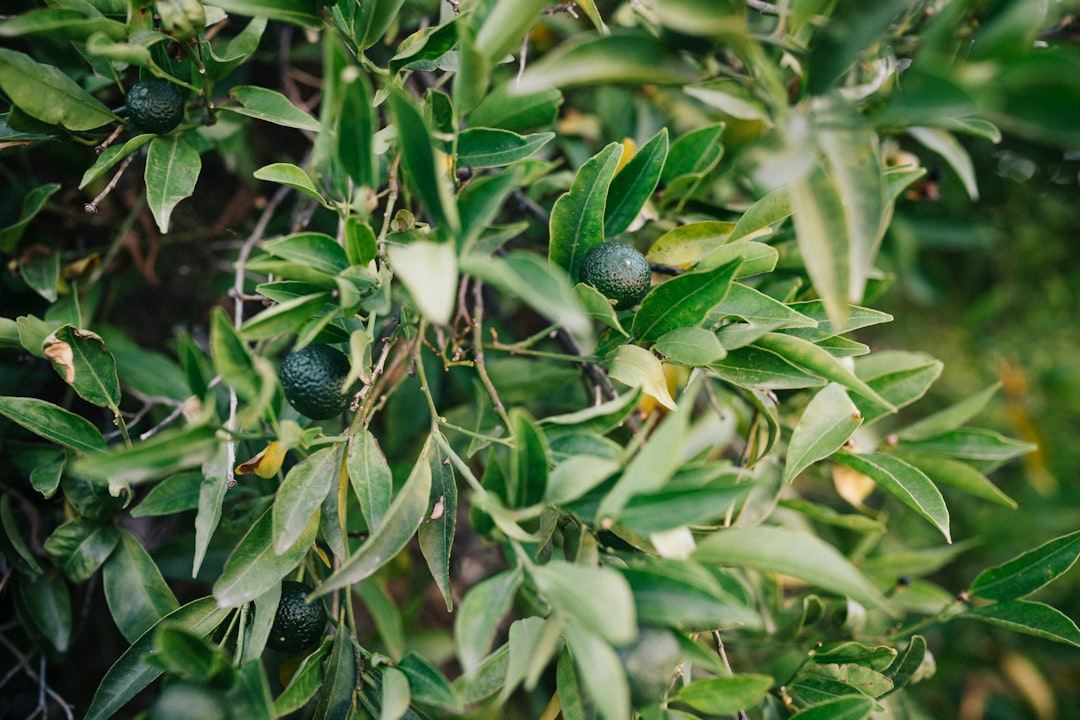
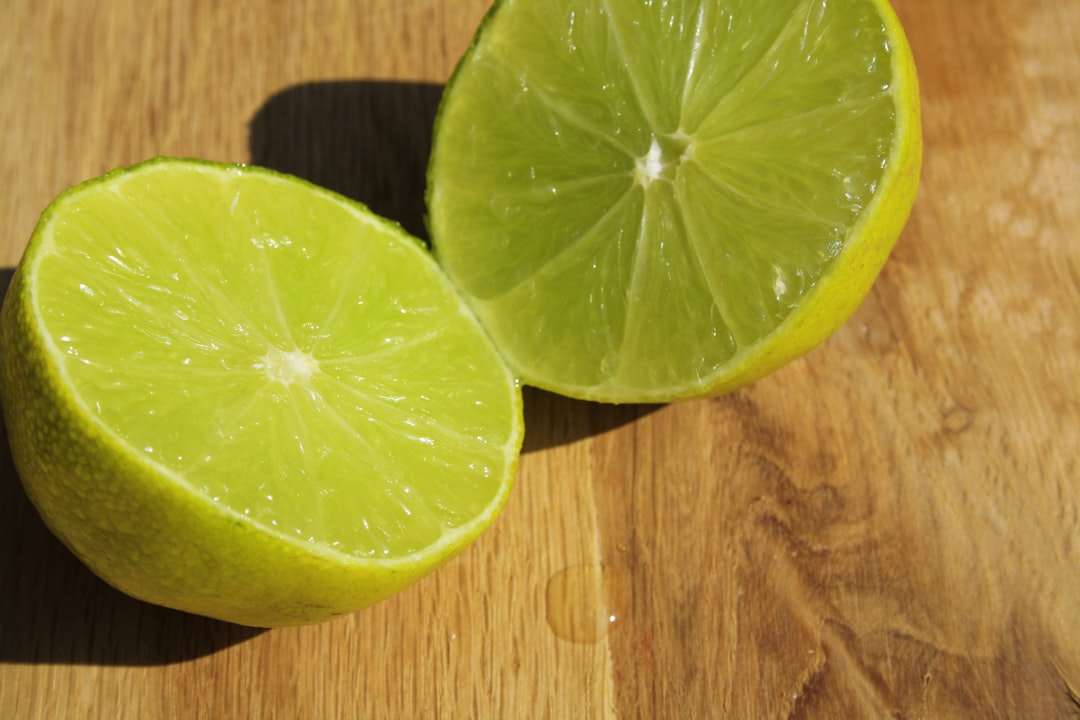
The Key lime, also known as West Indian lime, Mexican lime, or Egyptian lime is a type of lime. While it is treated as a species in botanical classification, it originated as a natural hybrid between Citrus micrantha and Citrus medica (citron).
Where it grows
Note · FAO bundles lemons+limes
Source: FAO STAT — Crops and Livestock Products, 2024
Things worth knowing
- 01
The lime, scientifically known as Citrus aurantiifolia, belongs to the Rutaceae family of plants.
- 02
While its precise native region remains unknown, the lime is a popular member of the citrus category.
- 03
Key limes, also called West Indian or Mexican limes, are actually a natural hybrid of two other citrus fruits.
- 04
India is currently the top producer of limes globally, contributing significantly to the world's production.
- 05
Globally, the production of limes reaches an impressive 23.2 million tonnes each year.
Health & nutrition
- Limes are a good source of Vitamin C, which may support immune function.
- They provide dietary fiber, which is important for digestive health.
- Limes contain potassium, an essential mineral that plays a role in bodily functions.
- The fiber content in limes may contribute to feelings of fullness.
- As part of a balanced diet, limes can be a refreshing addition.
Informational only · not medical advice
Culinary uses
Limes are a staple in cuisines worldwide, prized for their tart flavor and bright aroma. In Southeast Asia, they are essential in dishes like Tom Yum soup and various curries. Mexican and Caribbean cooking heavily features lime juice and zest in marinades, salsas, and beverages like mojitos. From key lime pie in Florida to ceviche across Latin America, the versatile lime adds a zesty punch to countless regional specialties.