Jamun
Syzygium cumini
- Energy
- 56kcal
- Native
- —
- Top Producer
- —
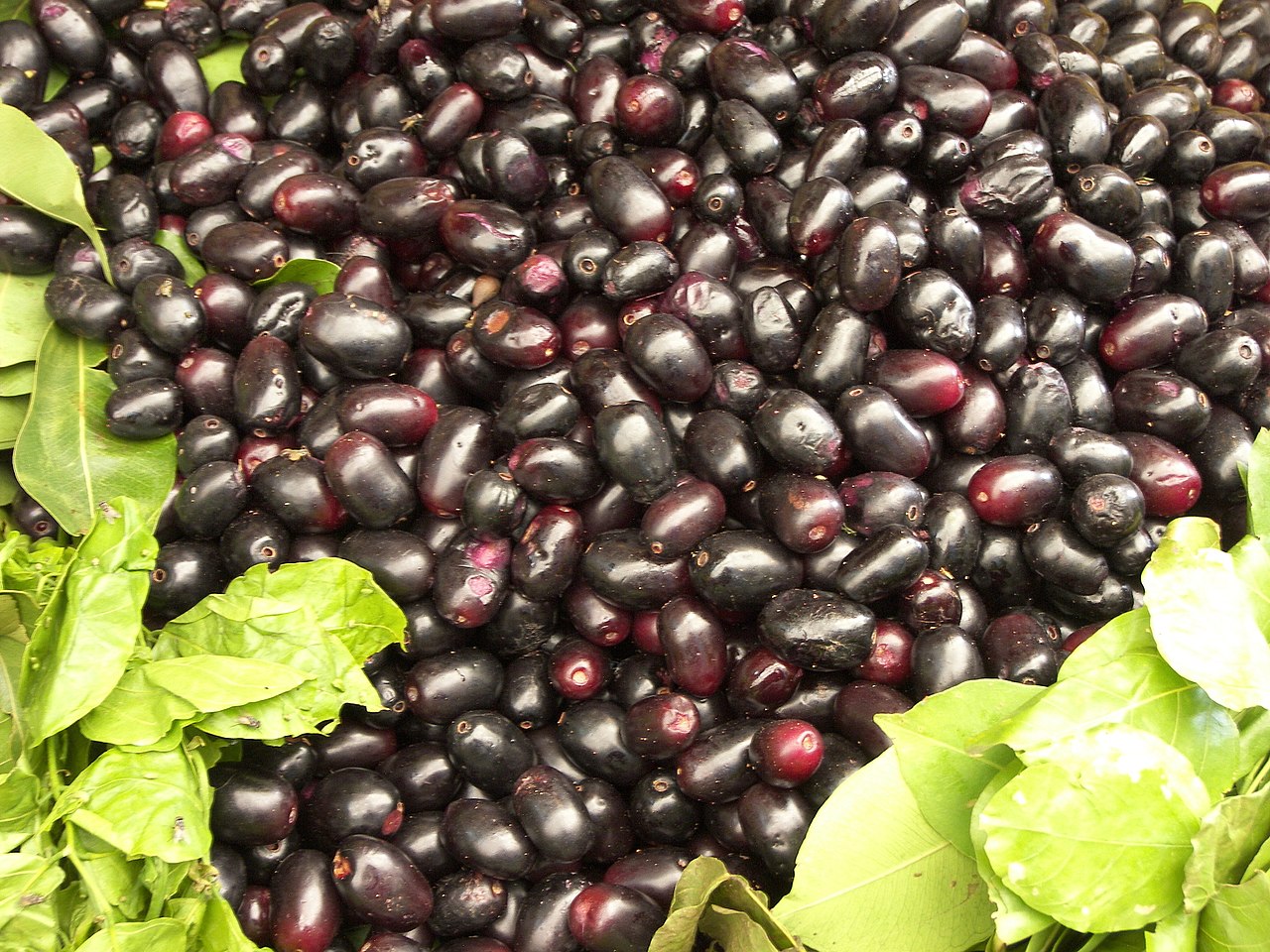
Photo: Rajesh dangi at English Wikipedia · CC BY 2.5
Where it comes from
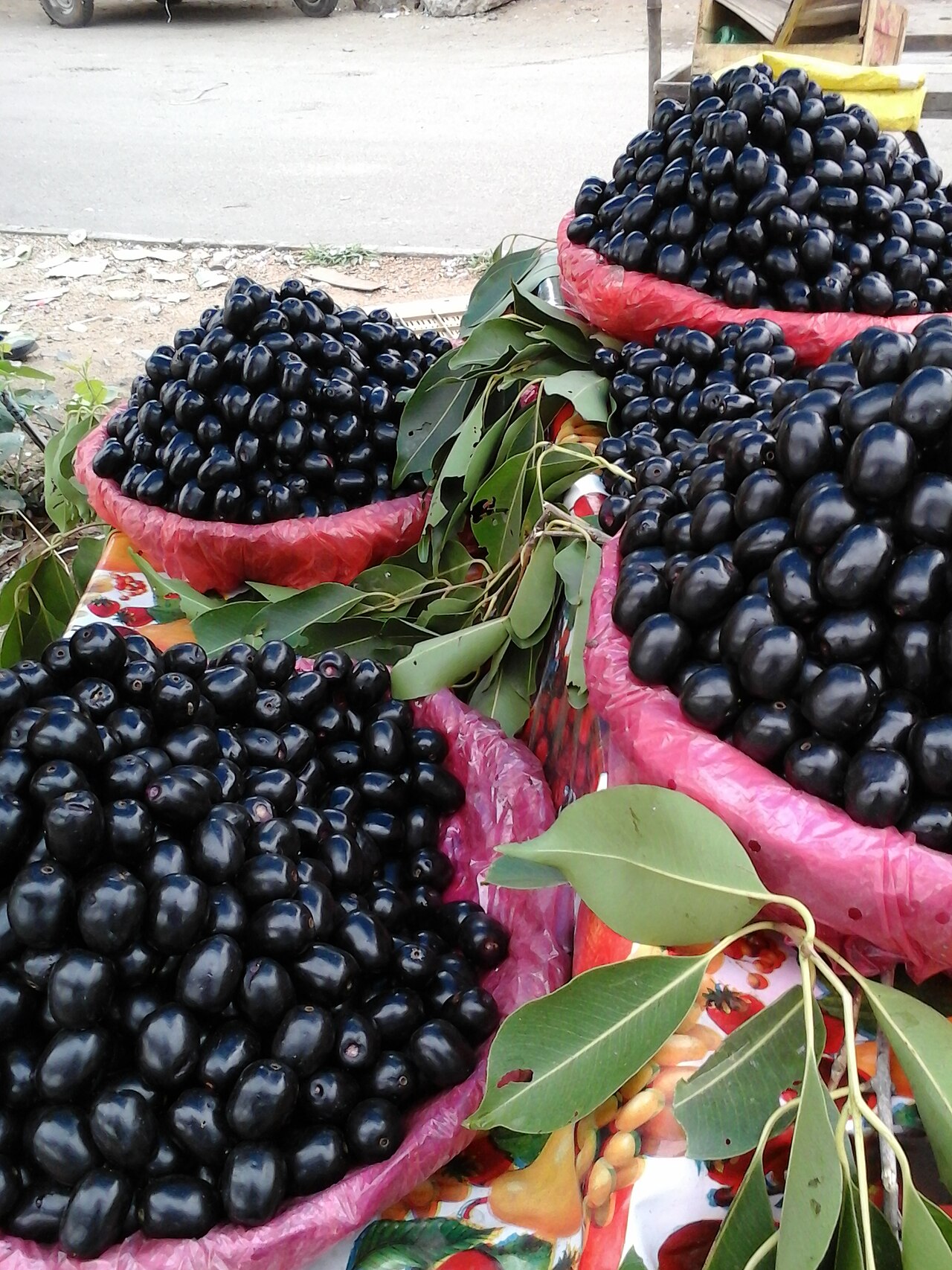
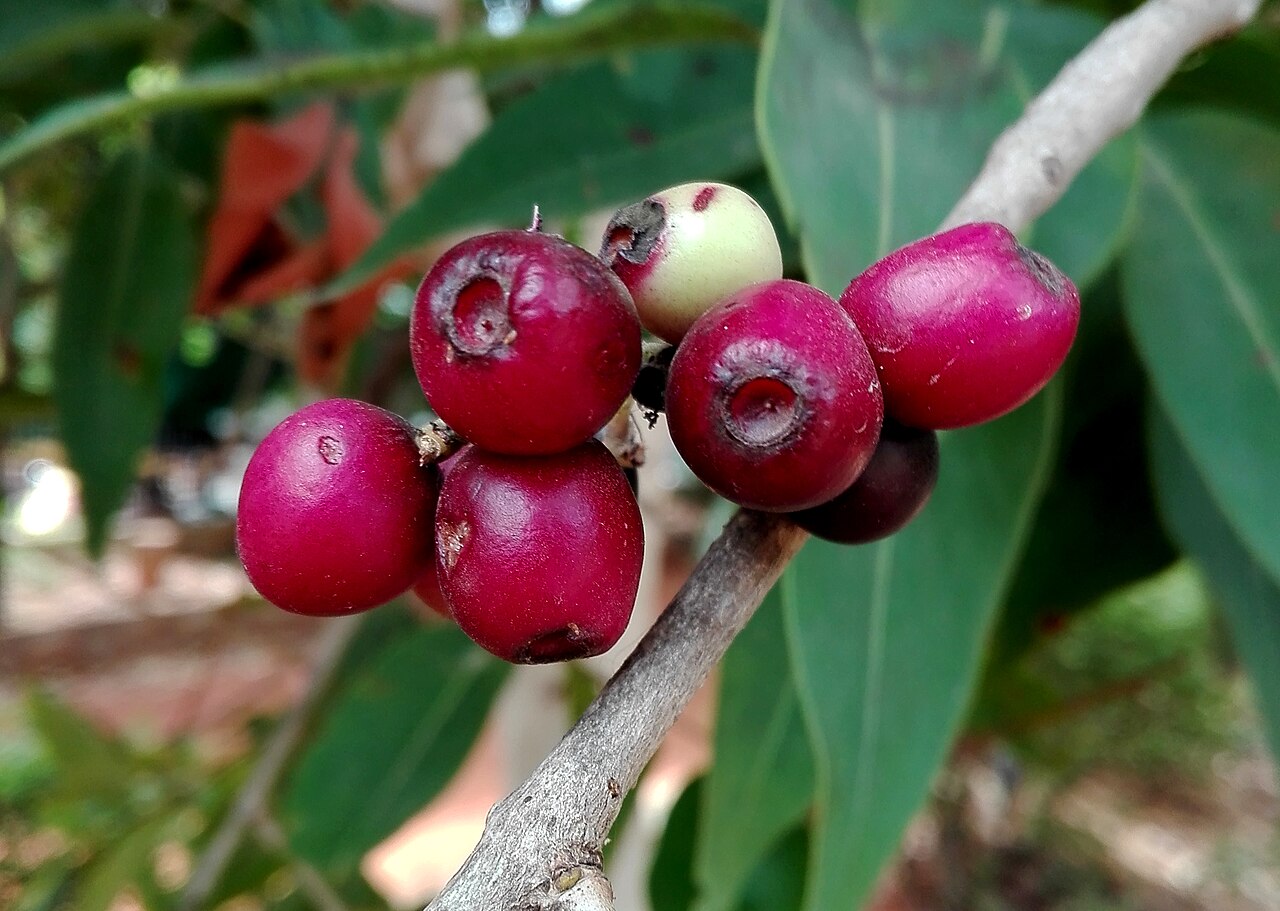
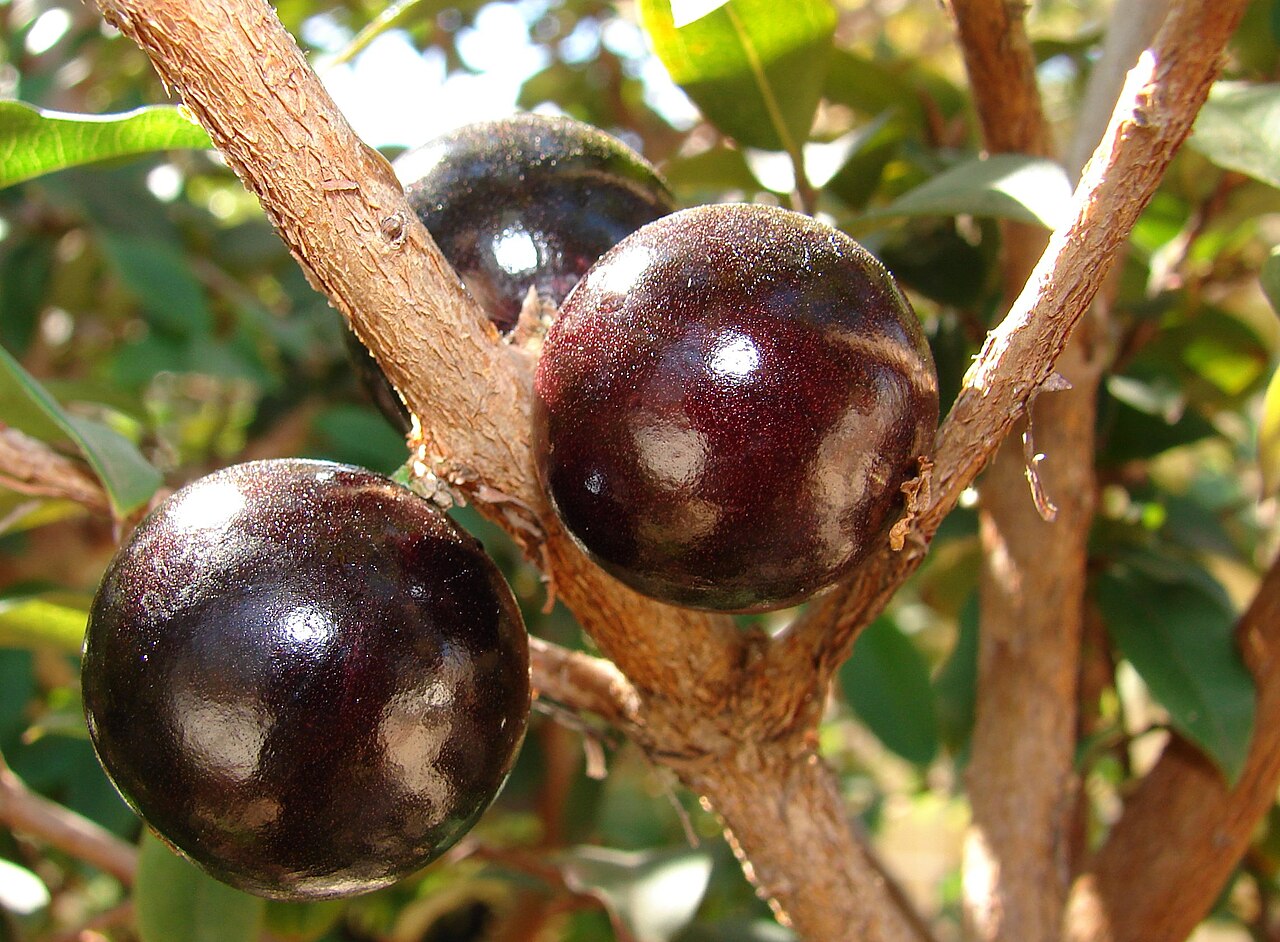
Syzygium cumini, also known as Malabar plum, Java plum, black plum, jamun, jaman, jambul, jambolan or Indian blackberry, is an evergreen tropical tree in the flowering plant family Myrtaceae, and favored for its fruit, timber, and ornamental value. It is native to the Indian subcontinent and Southeast Asia. It can reach heights of up to 30 m (100 ft) and can live more than 100 years. A rapidly growing plant, it is considered an invasive species in many world regions.
Things worth knowing
- 01
The Jamun tree, scientifically known as Syzygium cumini, is an evergreen tropical tree that can grow up to an impressive 30 meters tall.
- 02
Commonly called Malabar plum or Java plum, this tree is highly valued for its fruit, durable timber, and attractive ornamental appeal.
- 03
While its exact native region is unknown, Syzygium cumini is widely cultivated across the Indian subcontinent and Southeast Asia.
- 04
This exotic fruit, also known by names like black plum and Indian blackberry, offers a unique flavor profile to adventurous eaters.
- 05
The Jamun tree belongs to the Myrtaceae family, a diverse group of flowering plants that includes many aromatic species.
Health & nutrition
- Jamun is a source of dietary fiber, which may support digestive health and contribute to a feeling of fullness.
- This fruit provides Vitamin C, an essential nutrient that may support immune function and act as an antioxidant.
- Jamun contains potassium, a mineral that may play a role in maintaining healthy blood pressure levels.
- With 56 kcal per 100g, Jamun offers a moderate energy intake from its carbohydrate content, including natural sugars.
- The fiber content in Jamun may also contribute to a slower release of sugars into the bloodstream.
Informational only · not medical advice
Culinary uses
Jamun fruit is enjoyed globally for its unique sweet and tart flavor. In its native regions, it is often eaten fresh or used to make jams, jellies, and juices. The fruit's vibrant color also makes it a popular addition to desserts and beverages, lending both taste and visual appeal.