Soursop
Annona muricata
- Energy
- 62kcal
- Native
- —
- Top Producer
- CHN
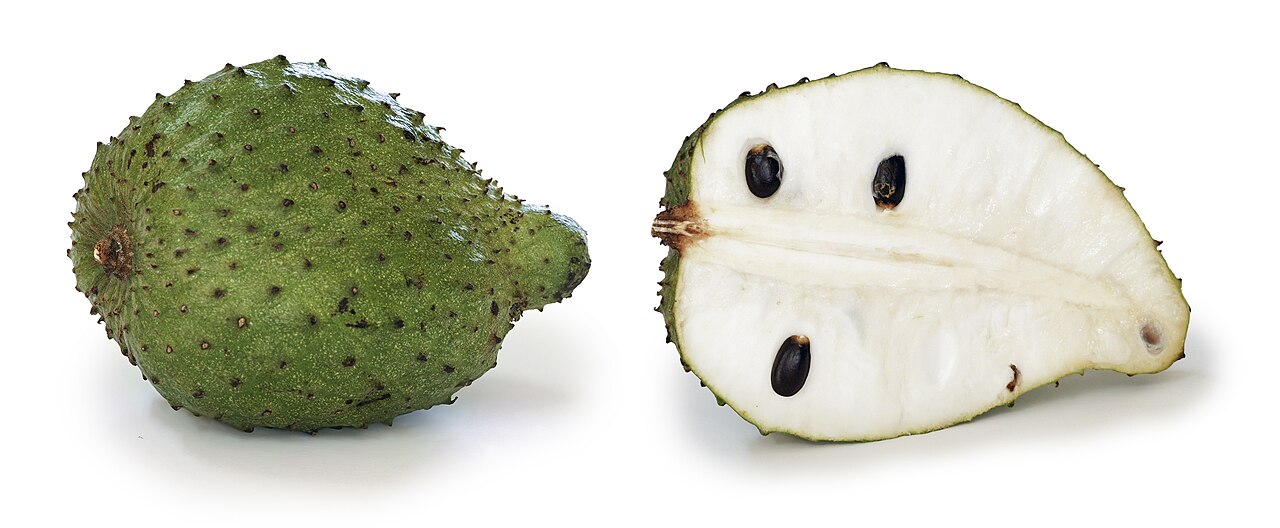
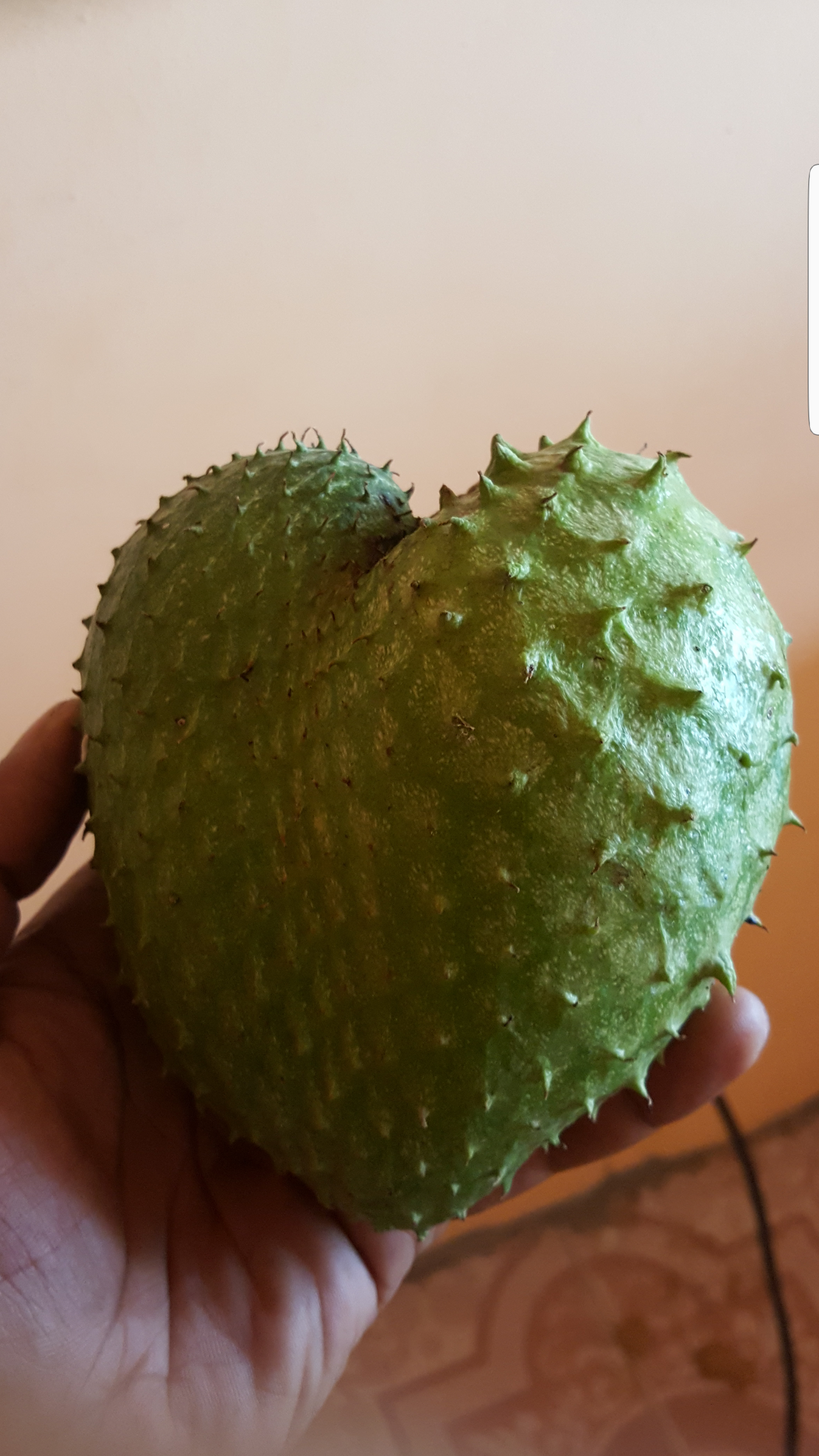
Photo: Muhammad Mahdi Karim · GFDL 1.2
Where it comes from
Soursop is the fruit of Annona muricata, a broadleaf, flowering, evergreen tree. It is native to the tropical Americas and is widely propagated. It is in the same genus, Annona, as cherimoya and is in the Annonaceae family.
Where it grows
Note · FAO 'Other tropical fruits'
Source: FAO STAT — Crops and Livestock Products, 2024
Things worth knowing
- 01
Soursop, scientifically known as Annona muricata, is a fascinating fruit from a broadleaf, flowering, evergreen tree.
- 02
This exotic fruit, belonging to the Annonaceae family, shares its genus, Annona, with the popular cherimoya.
- 03
While its exact native region remains unknown, soursop is now widely cultivated across tropical areas.
- 04
In 2024, China (CHN) was reported as the top producer, contributing to a massive global production of 23.9 million tonnes.
- 05
A 100-gram serving of soursop offers a good amount of fiber, with nearly 5 grams, and 62 calories.
Health & nutrition
- Soursop is a good source of Vitamin C, which may support immune function.
- The fruit provides a notable amount of potassium, which is essential for maintaining fluid balance.
- With almost 5 grams of fiber per 100 grams, soursop may aid in digestive health.
- The natural sugars in soursop provide a source of energy.
- Its nutrient profile, including Vitamin C, is beneficial for overall well-being.
Informational only · not medical advice
Culinary uses
Soursop is enjoyed worldwide for its unique sweet and tart flavor, often described as a blend of strawberry, pineapple, and citrus. In its native regions and beyond, it's commonly blended into refreshing juices, smoothies, and sorbets. It can also be used to create delicious ice creams, candies, and even alcoholic beverages, showcasing its versatility in both sweet and sometimes savory dishes.