Apple
Malus domestica
- Energy
- 60kcal
- Native
- —
- Top Producer
- CHN
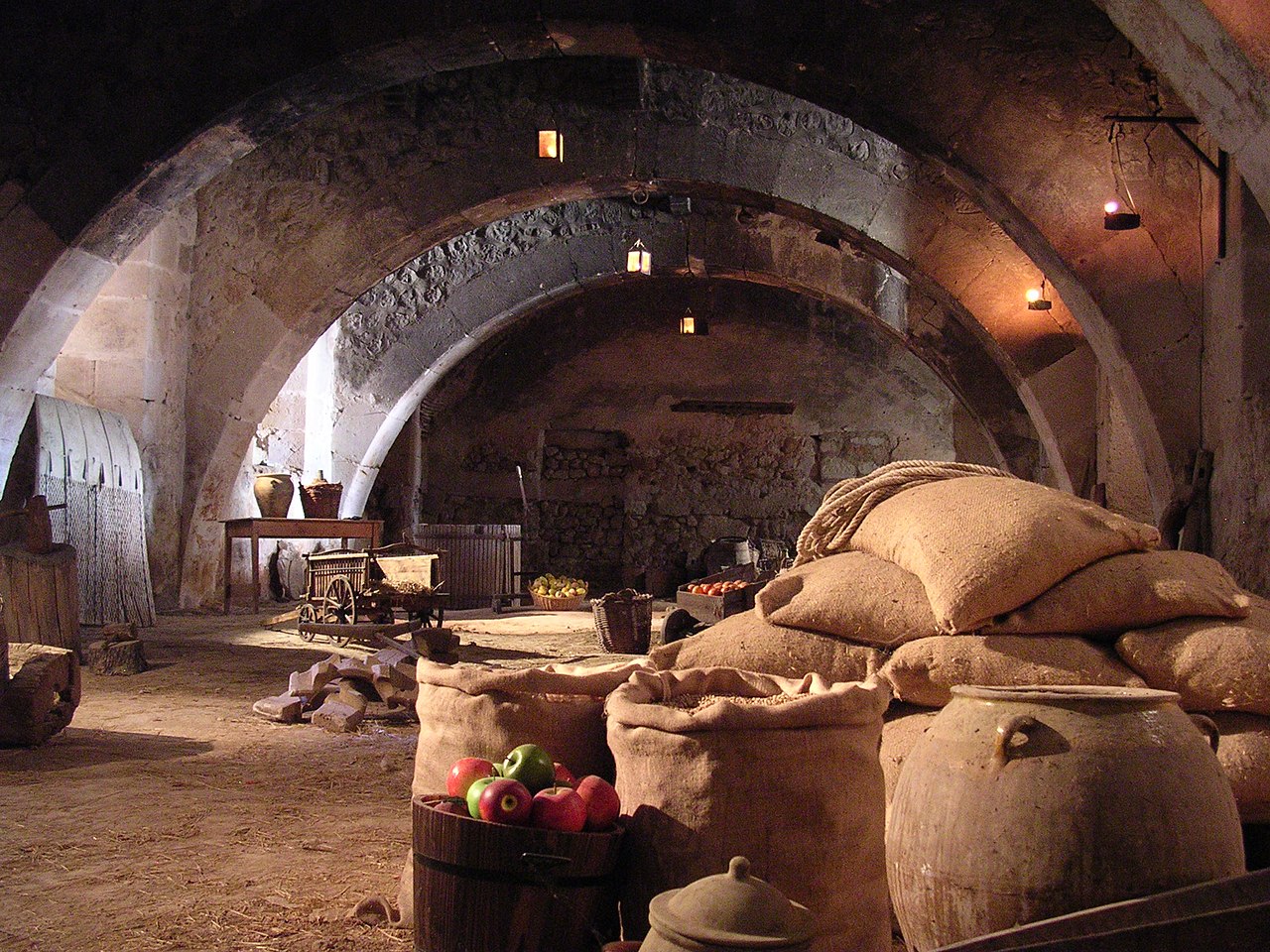
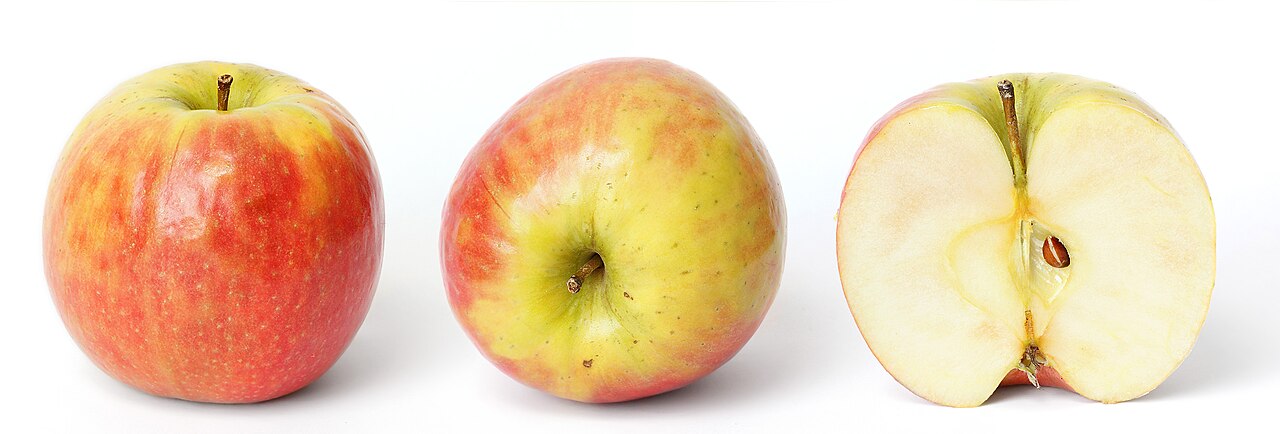
Photo: Willtron · CC BY-SA 3.0
Where it comes from
An apple is the round, edible fruit of an apple tree. Fruit trees of the orchard or domestic apple, the most widely grown in the genus, are cultivated worldwide. The tree originated in Central Asia, where its wild ancestor, Malus sieversii, is still found. Apples have been grown for thousands of years in Eurasia before they were introduced to North America by European colonists. Apples have cultural significance in many mythologies and religions.
Where it grows
Source: FAO STAT — Crops and Livestock Products, 2024
Things worth knowing
- 01
The apple, scientifically known as Malus domestica, is a round and edible fruit from the apple tree.
- 02
Apples belong to the Rosaceae family, which also includes other well-known fruits.
- 03
While its exact native region is unknown, the apple tree originated in Central Asia.
- 04
The wild ancestor of the domestic apple, Malus sieversii, can still be found growing in Central Asia.
- 05
Apples were cultivated across Eurasia for thousands of years before their introduction to other continents.
Health & nutrition
- Apples are a source of dietary fiber, which may support digestive health.
- They contain natural sugars, providing a quick source of energy.
- Apples are a source of Vitamin C, which may contribute to overall wellness.
- They also provide potassium, an essential mineral for the body.
- With approximately 60 kcal per 100g, apples can be part of a balanced diet.
Informational only · not medical advice
Culinary uses
Apples are a versatile pome fruit enjoyed globally in various culinary applications. They are commonly eaten fresh as a snack, added to salads, or incorporated into breakfast dishes. Apples are also a popular ingredient in baked goods such as pies, tarts, and crumbles. Regionally, they are used to make ciders, sauces, and savory dishes, showcasing their adaptability in sweet and savory preparations.
Specimen photographs