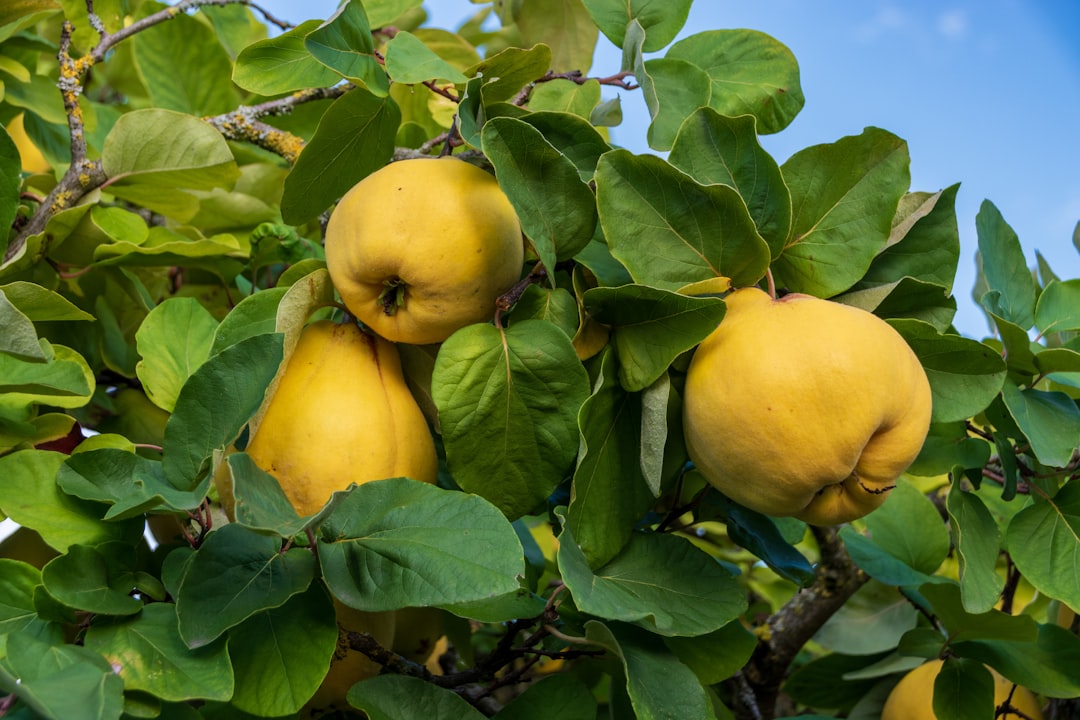
Pear
Pyrus communis
- Energy
- 57kcal
- Native
- —
- Top Producer
- CHN
Photo: Christiana Kamprogianni · Unsplash License
Where it comes from
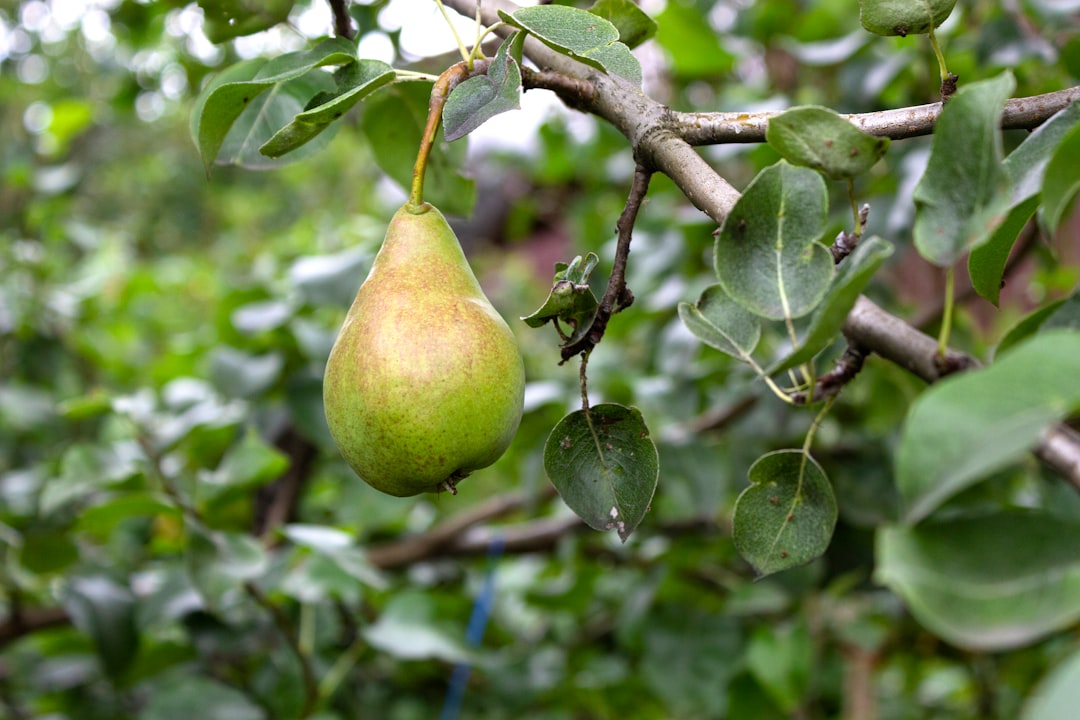
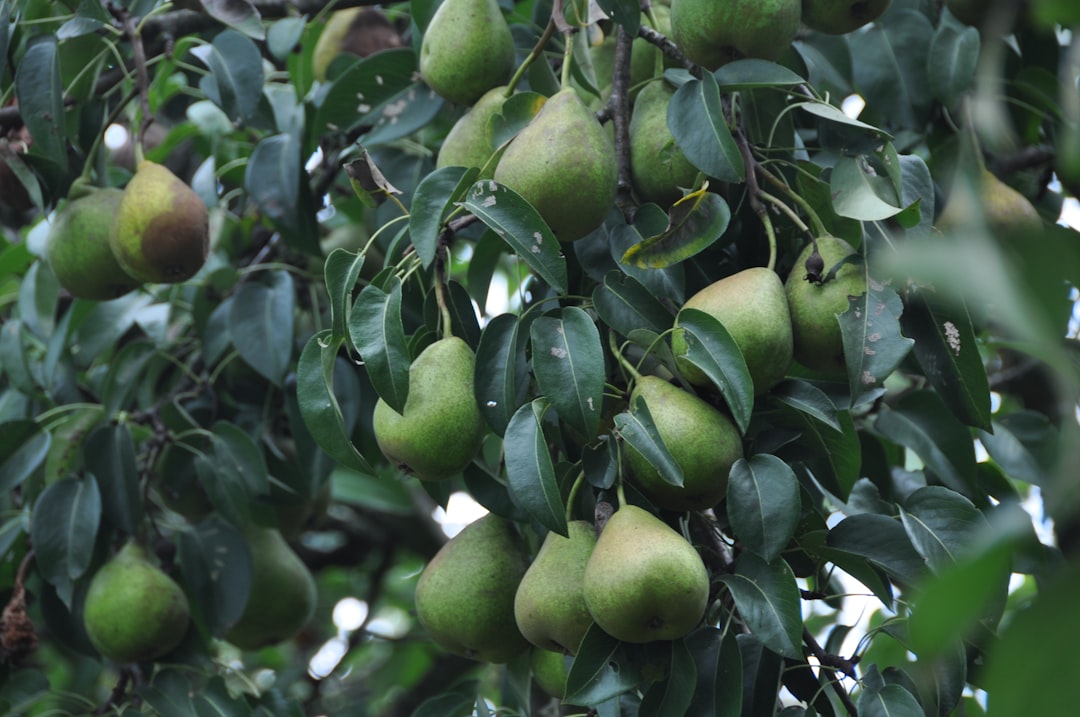
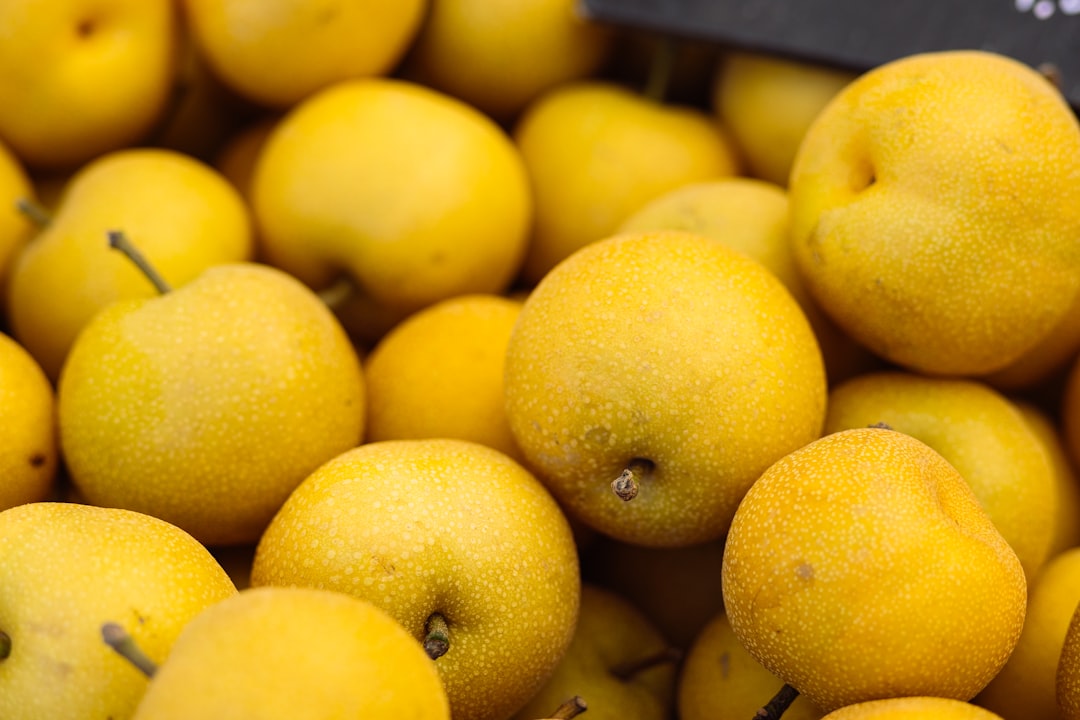
Pears are a genus of trees, Pyrus, in the family Rosaceae, that bear an edible apple-like fruit of the same name. Several species of pears are cultivated for their fruit and juices, while others are grown as ornamental flowering trees.
Where it grows
Source: FAO STAT — Crops and Livestock Products, 2024
Things worth knowing
- 01
The pear, scientifically known as Pyrus communis, belongs to the Rosaceae family, which also includes roses and apples.
- 02
While its exact native region remains unknown, pears are now cultivated globally for their delicious fruit and juices.
- 03
Pears are classified as a pome fruit, similar to apples, developing from a flower with a core containing seeds.
- 04
In 2024, China was the top producer of pears, contributing significantly to the world's total production of 27.6 million tonnes.
- 05
Beyond edible fruit, certain pear species are admired and grown specifically for their beautiful ornamental flowers.
Health & nutrition
- Pears are a good source of dietary fiber, which may support healthy digestion.
- They provide a modest amount of Vitamin C, an important nutrient for immune function.
- The potassium content in pears may contribute to maintaining healthy blood pressure levels.
- As a source of antioxidants, pears can help protect the body's cells from damage.
- The natural sugars in pears offer a quick energy boost for your daily activities.
Informational only · not medical advice
Culinary uses
Pears are enjoyed worldwide, both fresh and cooked. In Europe and North America, they are often baked into pies, poached in wine, or added to salads. Asian cuisines frequently incorporate pears into savory dishes, like stews and marinades, to tenderize meat and add a subtle sweetness. Their versatility allows them to be used in jams, preserves, and even fermented into alcoholic beverages.