Quince
Cydonia oblonga
- Energy
- 57kcal
- Native
- —
- Top Producer
- TUR
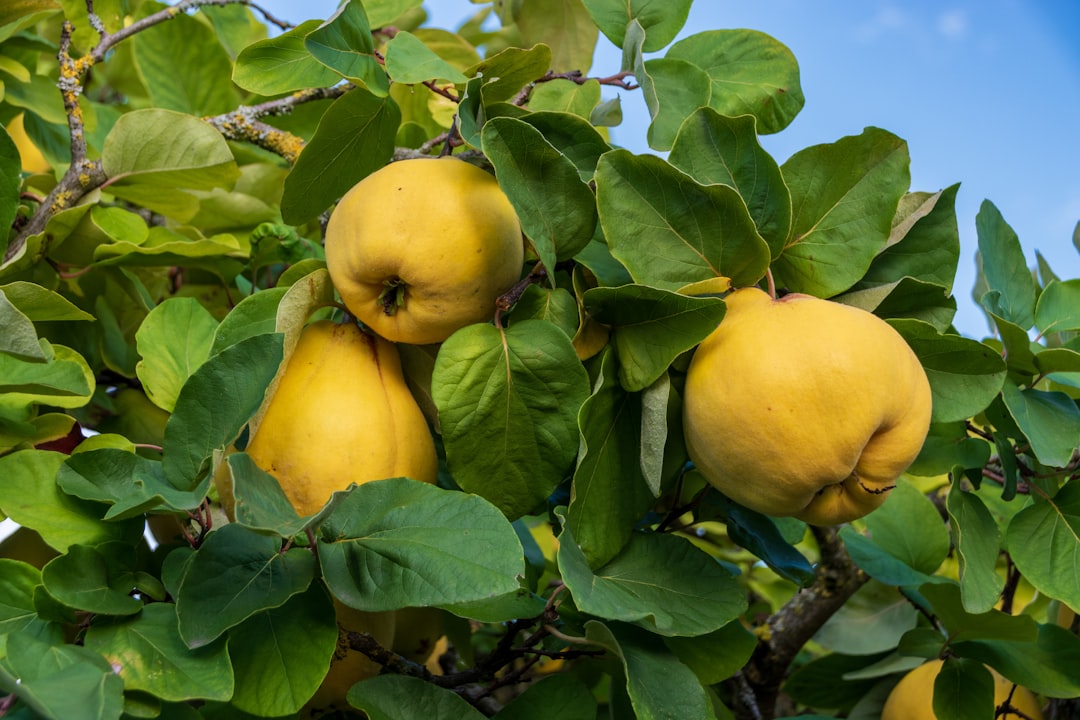
Photo: Sergej Karpow · Unsplash License
Where it comes from
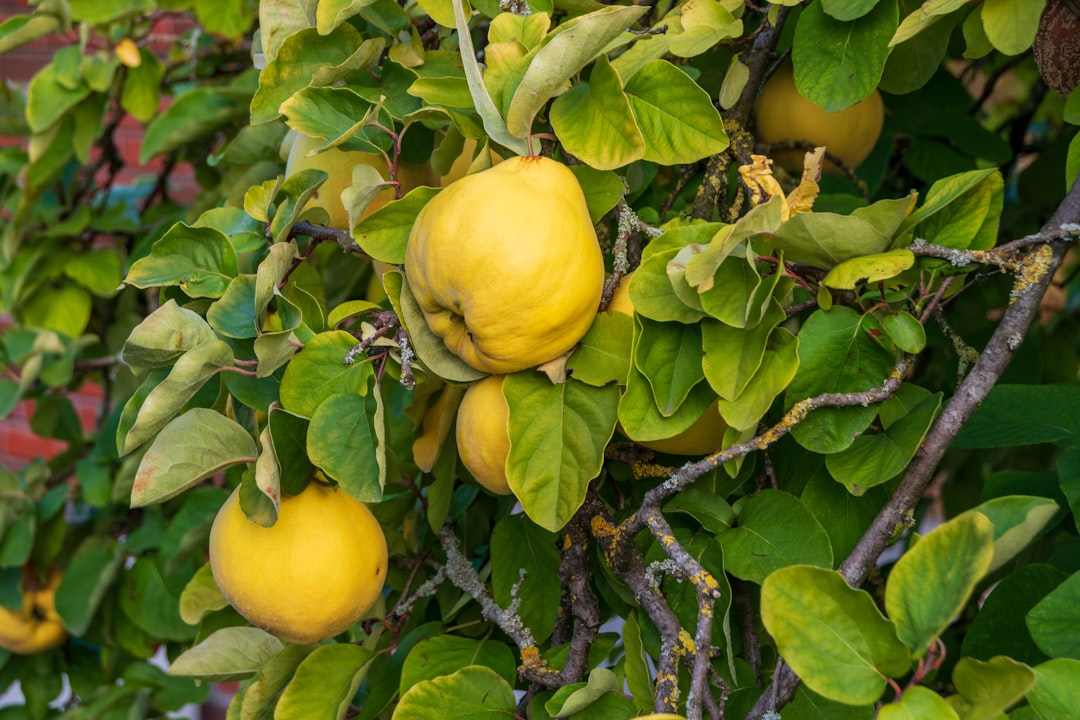
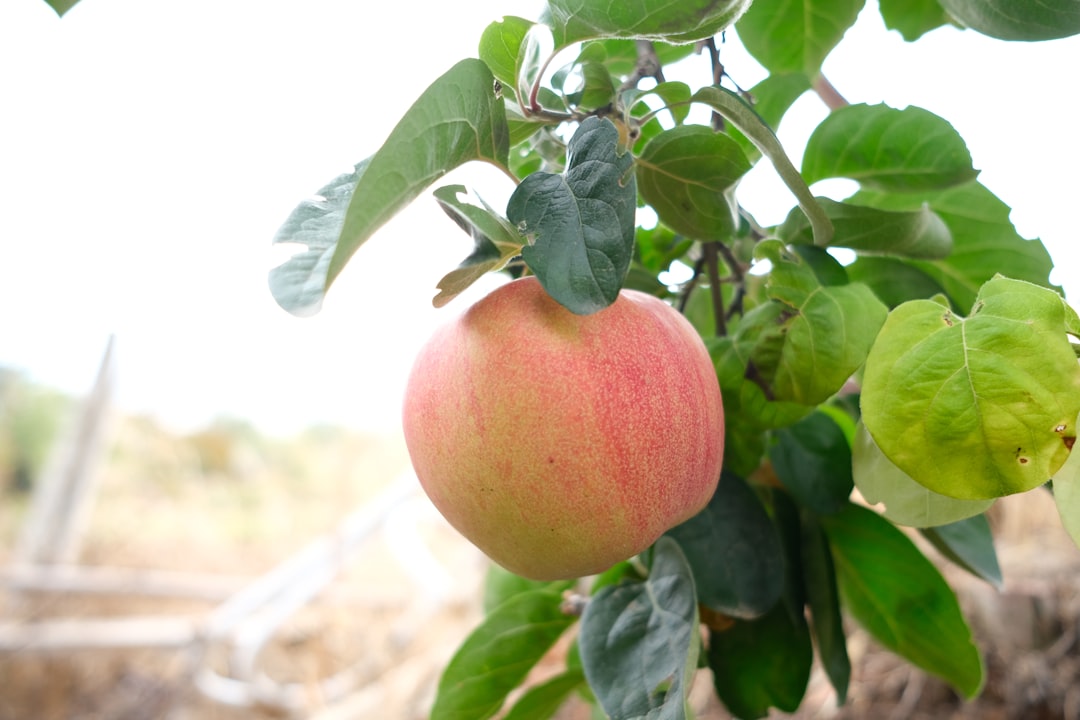
The quince is the sole member of the genus Cydonia in the Malinae subtribe of the Rosaceae family. It is a deciduous tree that bears hard, aromatic bright golden-yellow pome fruit, similar in appearance to a pear. Ripe quince fruits are hard, tart, and astringent. They are eaten raw or processed into jam, quince cheese, or alcoholic drinks.
Where it grows
Source: FAO STAT — Crops and Livestock Products, 2024
Things worth knowing
- 01
Quince, a member of the Rosaceae family, is the only species in its genus, Cydonia, making it quite unique.
- 02
This deciduous tree produces hard, aromatic fruits that are bright golden-yellow and resemble pears when ripe.
- 03
Despite their appearance, ripe quince fruits are known for their tartness and astringent quality.
- 04
The world produces approximately 0.7 million tonnes of quince annually, with Turkey being the top producer.
- 05
Quince fruits are not typically enjoyed raw due to their firm texture and intense flavor profile.
Health & nutrition
- Quince is a source of dietary fiber, which may support digestive health.
- This fruit provides vitamin C, an antioxidant that may contribute to immune system function.
- Quince contains potassium, a mineral that plays a role in maintaining fluid balance.
- The fruit's nutritional profile may offer general wellness support as part of a balanced diet.
- Consuming quince can contribute to your daily intake of essential vitamins and minerals.
Informational only · not medical advice
Culinary uses
While often too tart and astringent to eat raw, quince transforms beautifully when cooked. It is widely processed into delicious jams, jellies, and the firm paste known as quince cheese. In various regions, quince is also fermented to create unique alcoholic beverages. Its unique flavor adds depth to both sweet and savory dishes when prepared.